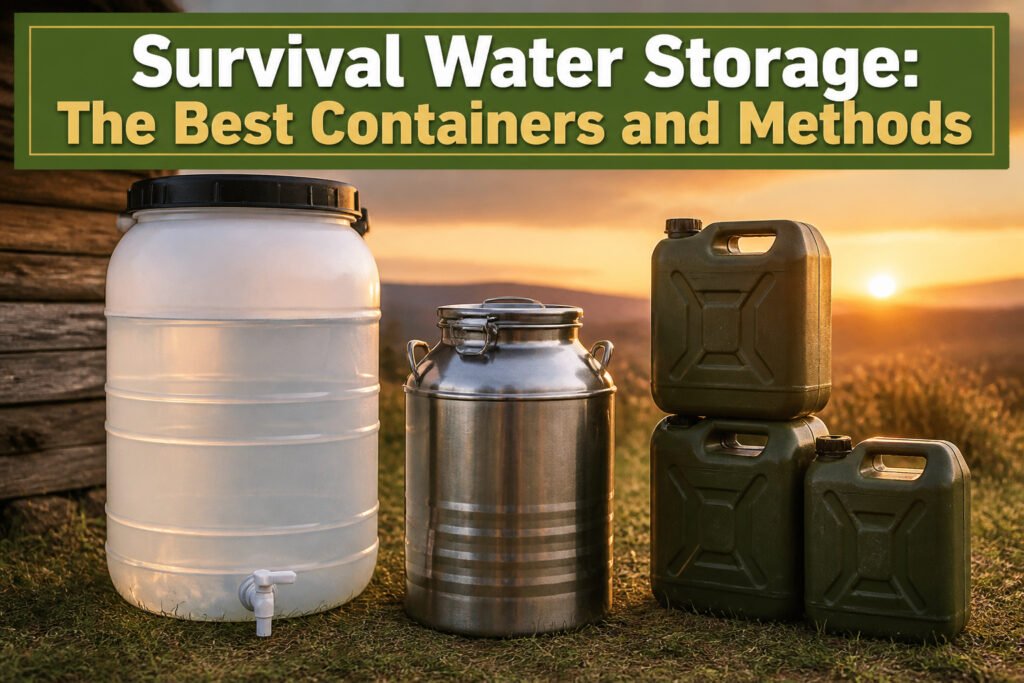
Survival water storage is the practice of keeping treated water ready for emergencies when normal supply fails. The catch is that most people pick the wrong container for their actual space. A full 55-gallon barrel weighs over 460 pounds, which means filling it in place is the only realistic option, and two people still cannot tip or lift it when the power is out.
55-Gallon Food-Grade Barrels
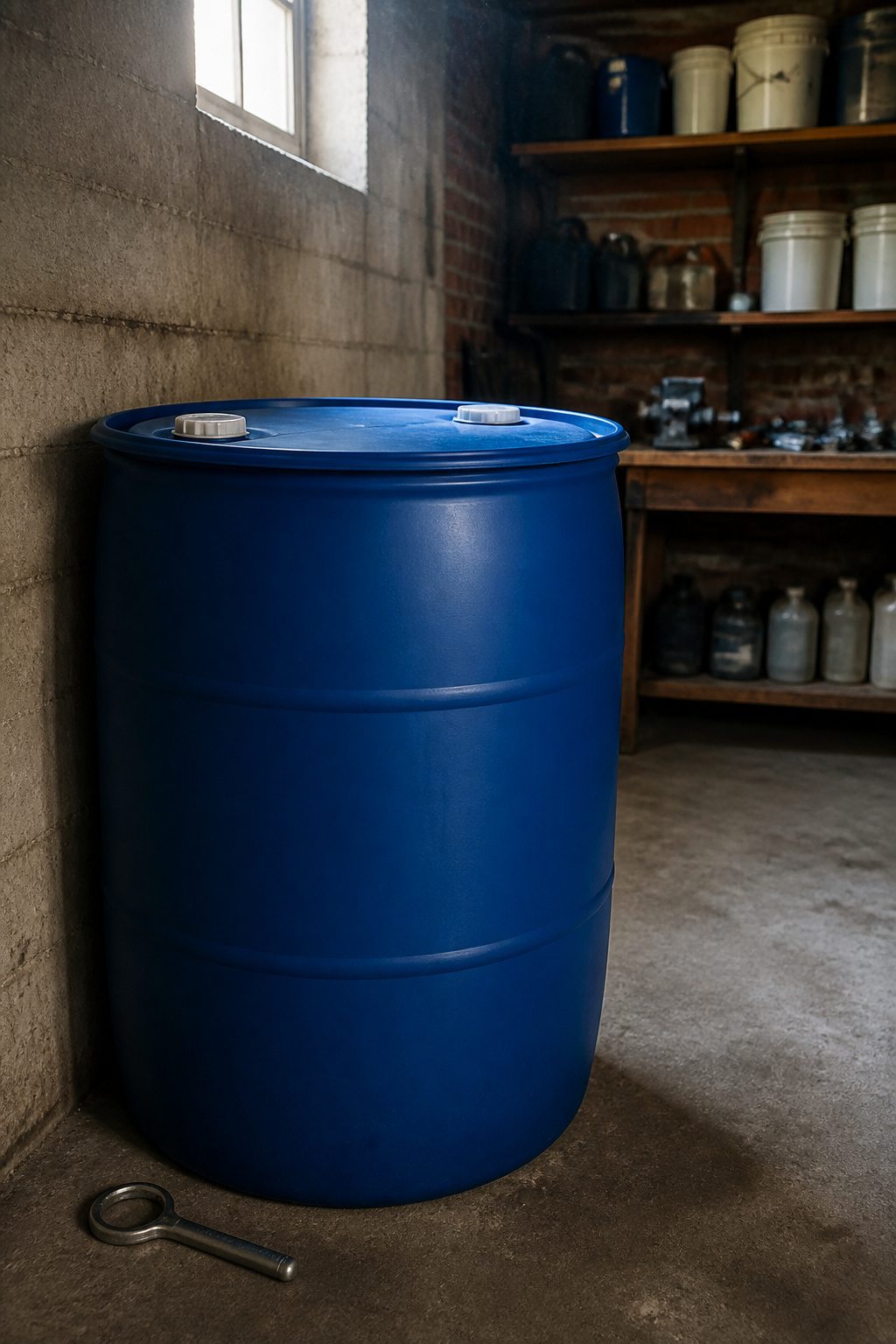
A full 55-gallon barrel weighs over 460 pounds at 8.35 pounds per gallon, which means filling it in place is the only realistic option. I passed on these for my own setup because my storage is split between a basement with narrow stairs and a garage that freezes, and a barrel in either location becomes a problem I cannot move.
The tight-head style with two small bung openings is the one to get, not a removable lid. You will need a bung wrench to seal and open those caps, plus either food-grade tubing to siphon or a hand pump to actually get water out. A battery pump works too, but that is another device to maintain.
These barrels make sense for stationary, long-term storage if you have a single stable location: a ground-floor utility room, a climate-controlled outbuilding, a corner of the garage that stays above freezing. The water sits ready for months or years with the right treatment. For my situation, the weight and the access problem outweighed the capacity. Two people cannot tip or lift a full barrel in an emergency, and a siphon that breaks mid-stream leaves you with forty-plus gallons you still cannot reach.
Stackable 5–7 Gallon Containers
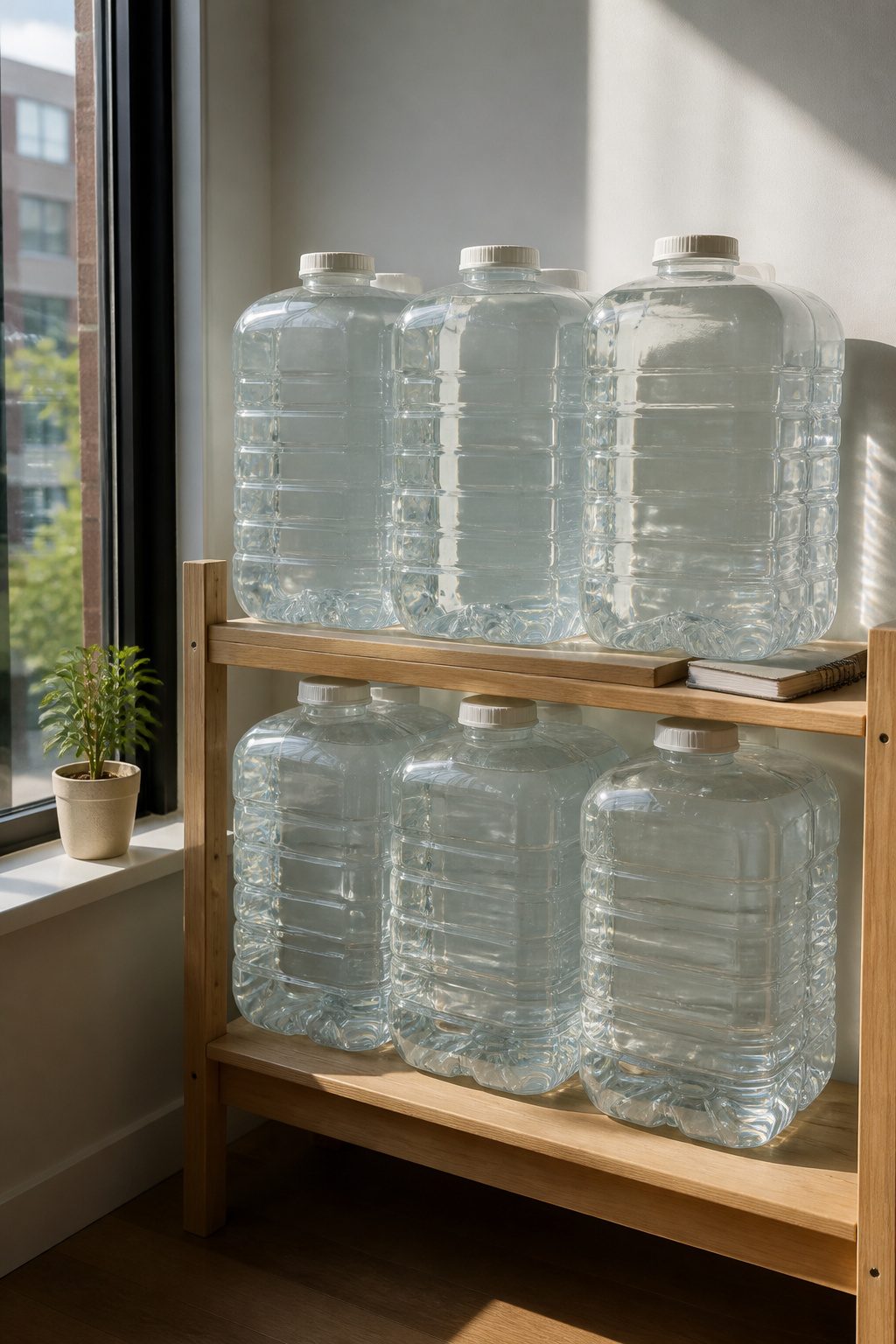
Smaller stackable containers earn their place when floor space is tight and stairs exist between you and your storage spot. A full five-gallon jug weighs over forty pounds. That is already enough to make most people think twice about carrying it across a room, let alone down a hallway. Seven gallons pushes near fifty-six pounds, and the difference between lifting that and wrestling it onto a counter is the difference between a system you maintain and one you avoid.
For apartments or any layout where water lives in a closet or corner, stackable containers let you build vertically instead of spreading out. The trade is capacity per container. What you lose in bulk per vessel you gain in actually being able to move the thing when you need to. Rotation every six to twelve months becomes realistic because one person can handle the weight without recruiting help or risking a dropped drum and a flooded floor.
I have rolled larger barrels and carried these smaller jugs, and the jugs win for anyone who stores water inside living space rather than a garage slab. Rolling sounds easier until you hit a threshold, a rug, or a turn. Carrying forty pounds with two hands is slower but surer. Stackable containers also split your supply across multiple failure points. Three six-gallon containers in different rooms beat one fifteen-gallon barrel if a leak, freeze, or fall compromises a single vessel.
Water Bricks
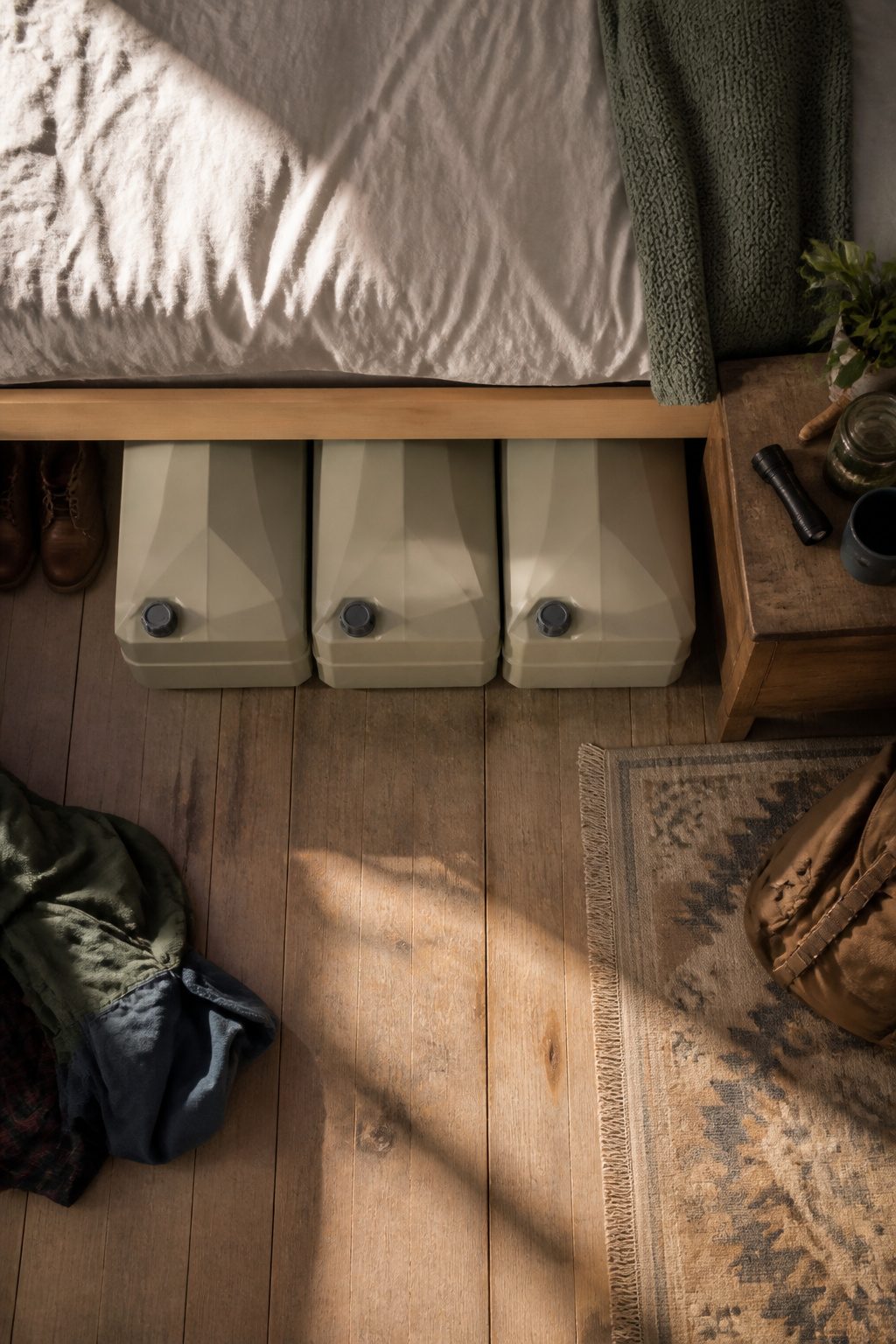
Compact spaces reward containers that behave like building blocks instead of barrels. WaterBricks stack five levels high and interlock on top and sides, so they lock into walls or slide into the dead zone behind a closet shelf. I keep mine under a bed frame where nothing else fits; the shape turns that lost foot of height into fourteen gallons.
The cost runs about double per gallon against standard stackables, and the caps rate mediocre. You will also need to add a spigot and better cap yourself, which folds into that already-steep price. The math stops working somewhere past the eight-pack mark; at that point the stack becomes tall enough and heavy enough that a proper barrel or tank starts winning on price and stability. For apartments or scattered storage throughout a house, WaterBricks make sense. For a basement stockpile, they do not.
Bottled Water Cases
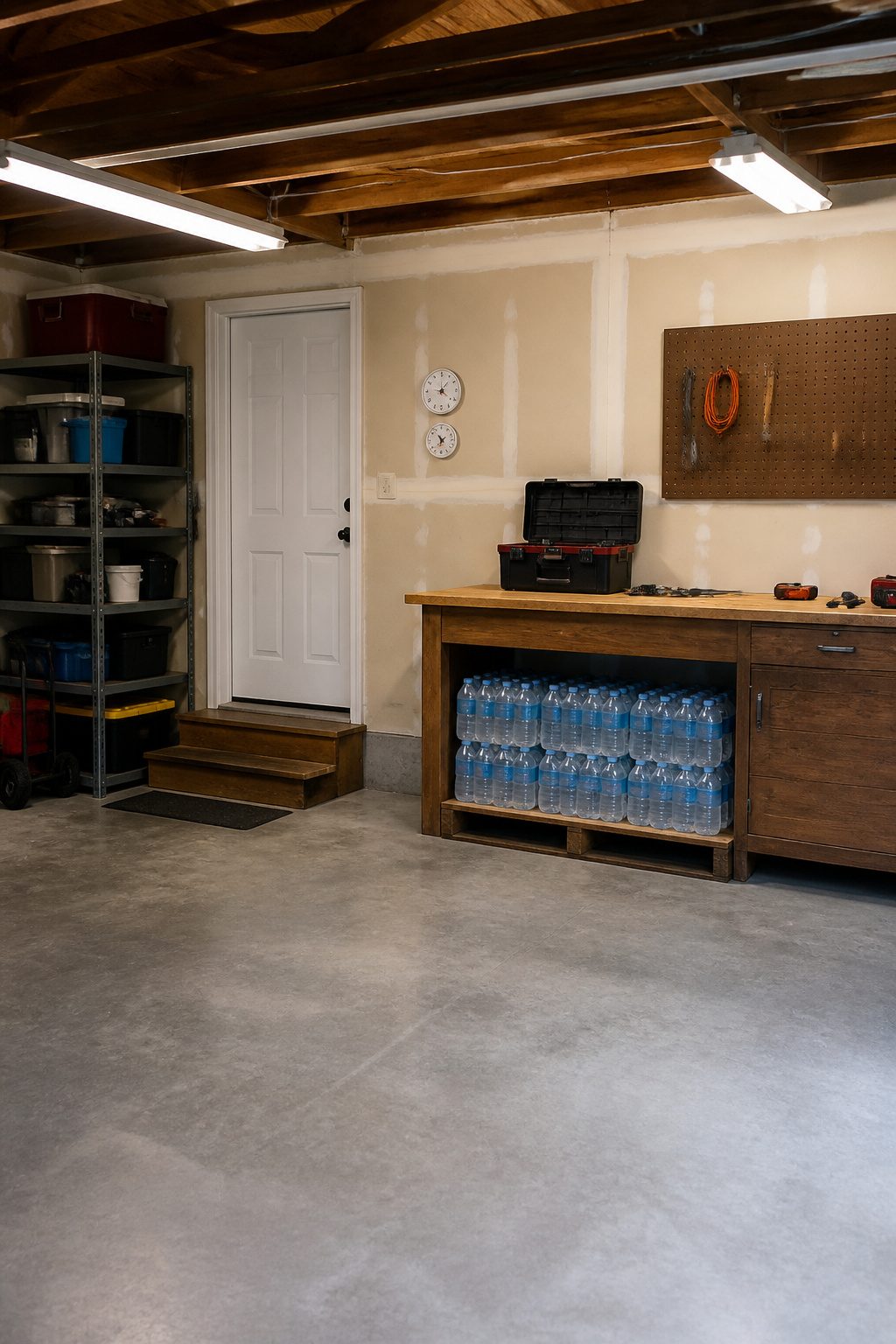
Bottled water cases sit in the garage, tucked behind a workbench where the temperature stays steady year-round. The convenience is hard to beat: grab a case on the way out for a road trip, rotate it into the kitchen, replace it the next grocery run. Clear plastic bottles, the standard 16.9-ounce sport type, carry about a 2-year shelf life before the plastic starts leaching taste and worse into the water. Hard plastic dispenser bottles, the 3- or 5-gallon jugs, stretch that to 5 years because they are built from food-grade polyethylene or polycarbonate.
The catch is how easy it is to over-rely on them. I keep three cases on hand, no more. They stay sealed until needed, not cracked open for lunch boxes and camping trips. Heat and sunlight degrade the plastic faster, so the trunk of a car is a poor storage spot unless you are rotating every summer. Milk jug-style containers, soft and opaque, are not worth the gamble; the material breaks down unpredictably and you will not know until you smell it.
Containers I Skip
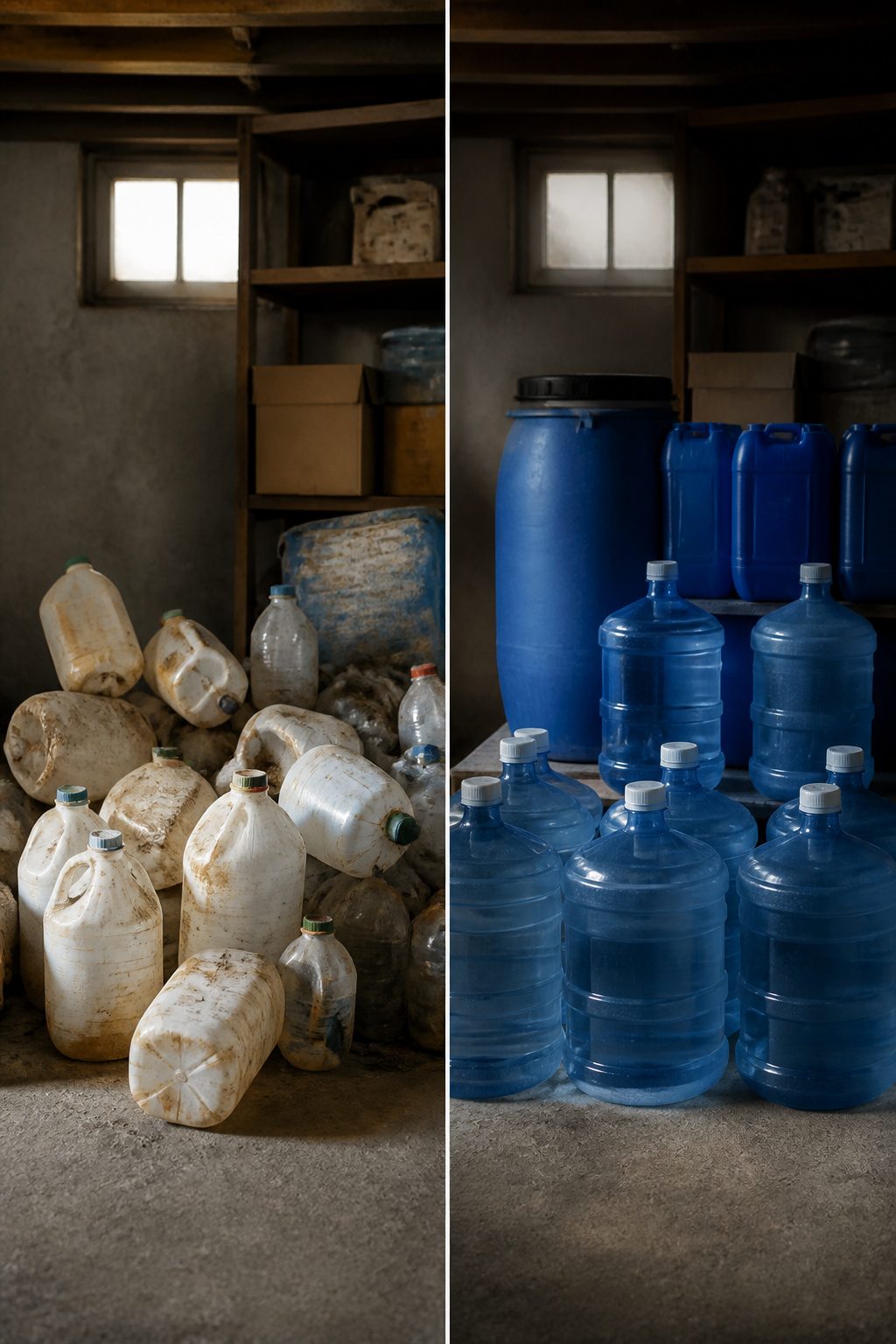
Some containers look like free wins for survival water storage but cost more than they save. Milk jugs are the worst offender. The plastic is biodegradable by design, meant to break down quickly, and the milk proteins left behind create a breeding ground for bacteria no amount of bleach fully fixes. I learned this the hard way in 2019 when a row of cleaned milk jugs in my garage started weeping after eight months, the plastic turning brittle and the water inside smelling off. The freeze-thaw cycles that winter had finished what the material started.
Glass breaks too easily under weight or impact to trust in an emergency. Soda bottles beat milk jugs slightly since the acid helps kill milk-style cultures, but they stay transparent and weak, letting light degrade whatever you store. Any container that held chemicals is out entirely; residues bond to plastic in ways household washing cannot touch. Skip anything not sold as food-grade from the start. The dollars saved on repurposed containers turn into gallons lost when the plastic fails or the water sours.
How Much Water to Store
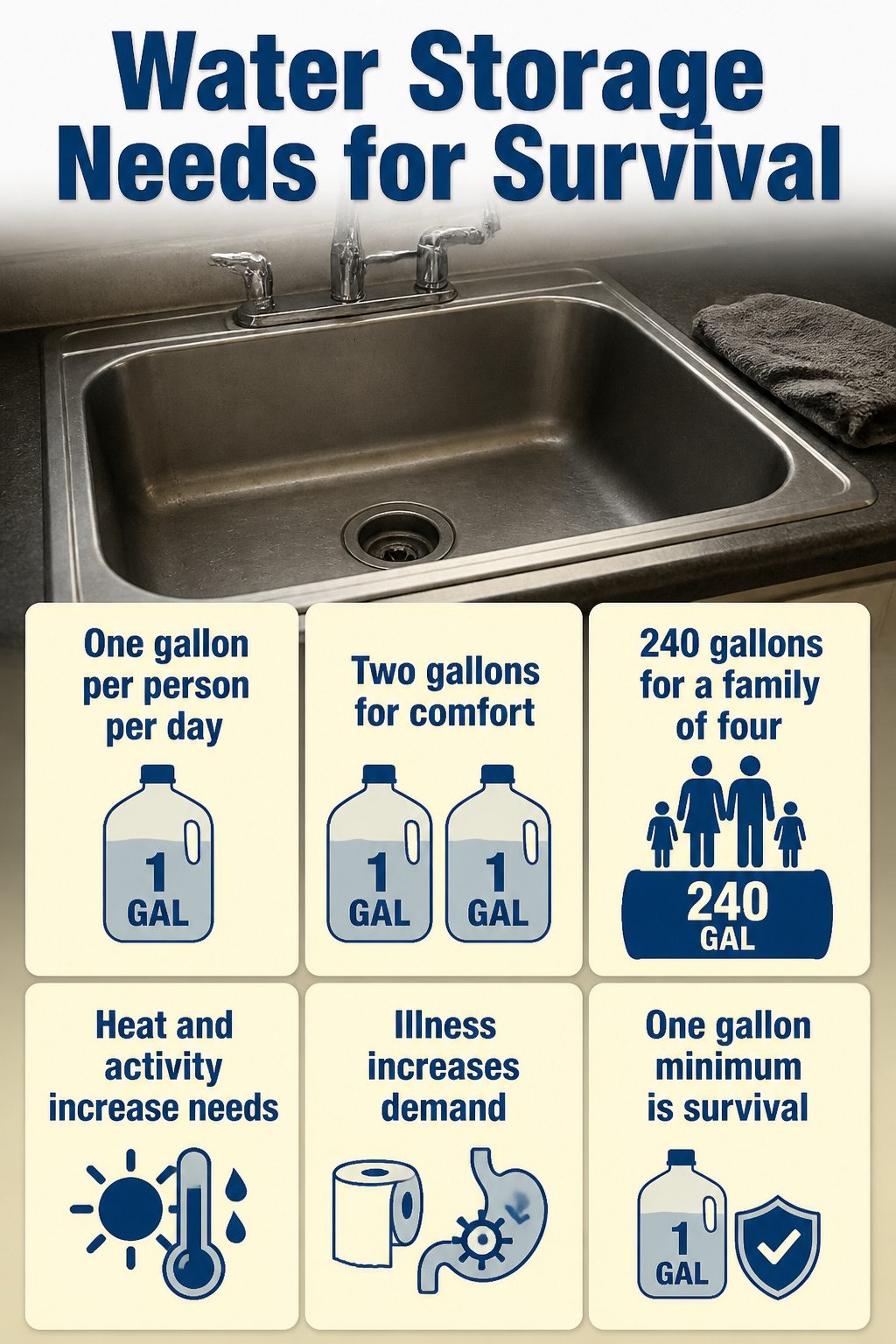
FEMA and the Red Cross both land on one gallon per person per day as the floor. Half for drinking, half for washing hands and basic hygiene. Two gallons buys comfort: cooking, a real cleanup, enough to not feel rationed.
For my own household I ran the math at that two-gallon comfort level. Family of four, thirty days. Four times two is eight gallons daily. Eight times thirty comes to 240 gallons. That number lives in my head now, and it is where I started.
The figure has holes I did not see at first. The sources flag heat, kids, pregnancy, age, heavy labor. Each can push demand fifty percent higher or more. A summer blackout in Phoenix, a stomach bug passing through the house, and that 240 gallons shrinks fast. I keep the one-gallon minimum in mind as a hard survival line, not a plan.
Sanitizing Before You Fill
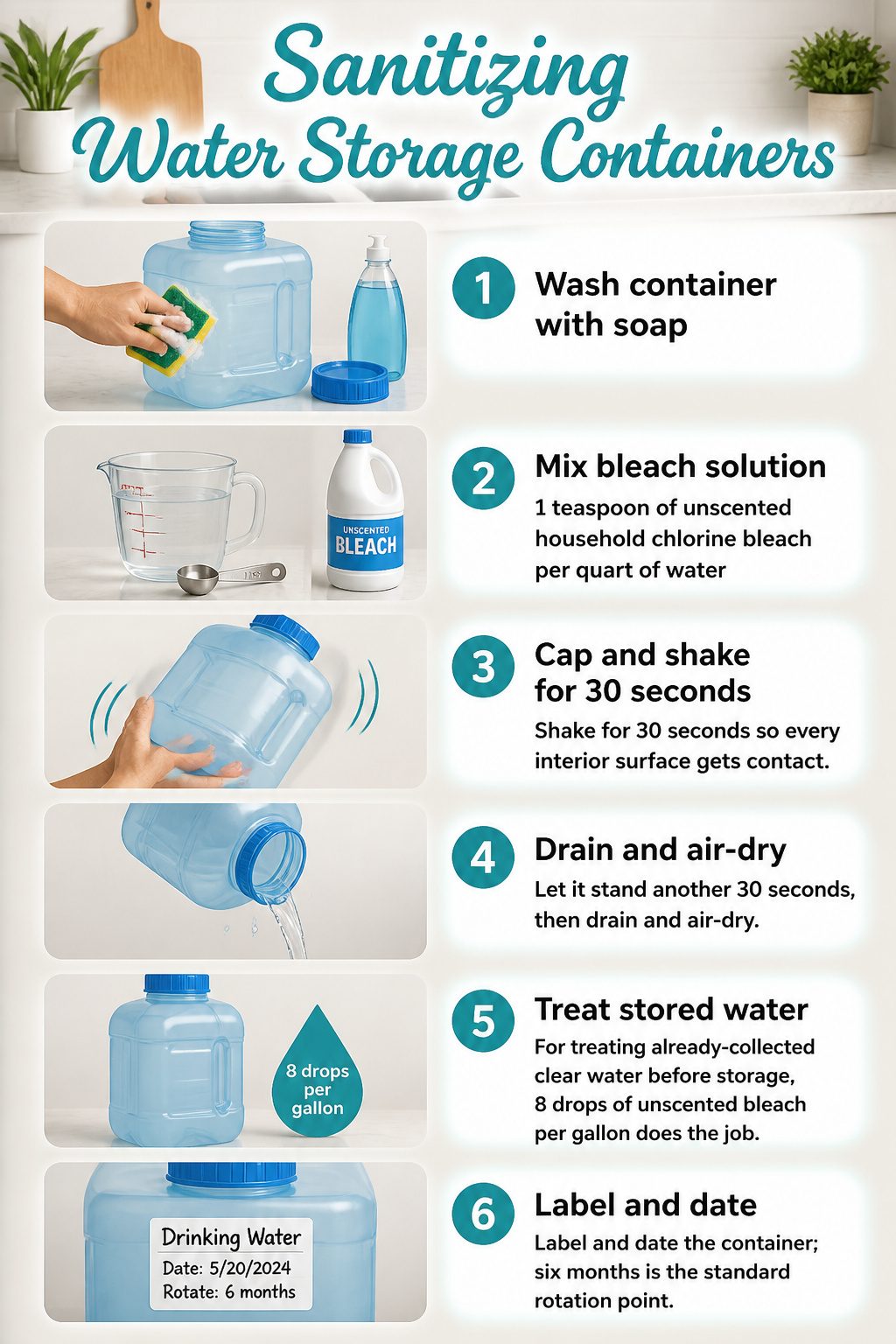
New containers still carry factory oils and dust that soap alone will lift but not kill. I learned that the hard way with a pair of seven-gallon jugs that smelled faintly of plastic and developed a slick film inside after two months of storage. The water was not ruined, but the confidence was.
- Wash the container and lid with dish soap and warm water, then rinse completely.
- Mix 1 teaspoon of unscented household chlorine bleach per quart of water for the sanitizing solution.
- Pour it in, cap it, and shake for 30 seconds so every interior surface gets contact.
- Let it stand another 30 seconds, then drain and air-dry.
For treating already-collected clear water before storage, 8 drops of unscented bleach per gallon does the job. Label and date the container; six months is the standard rotation point.
Where and How to Store It
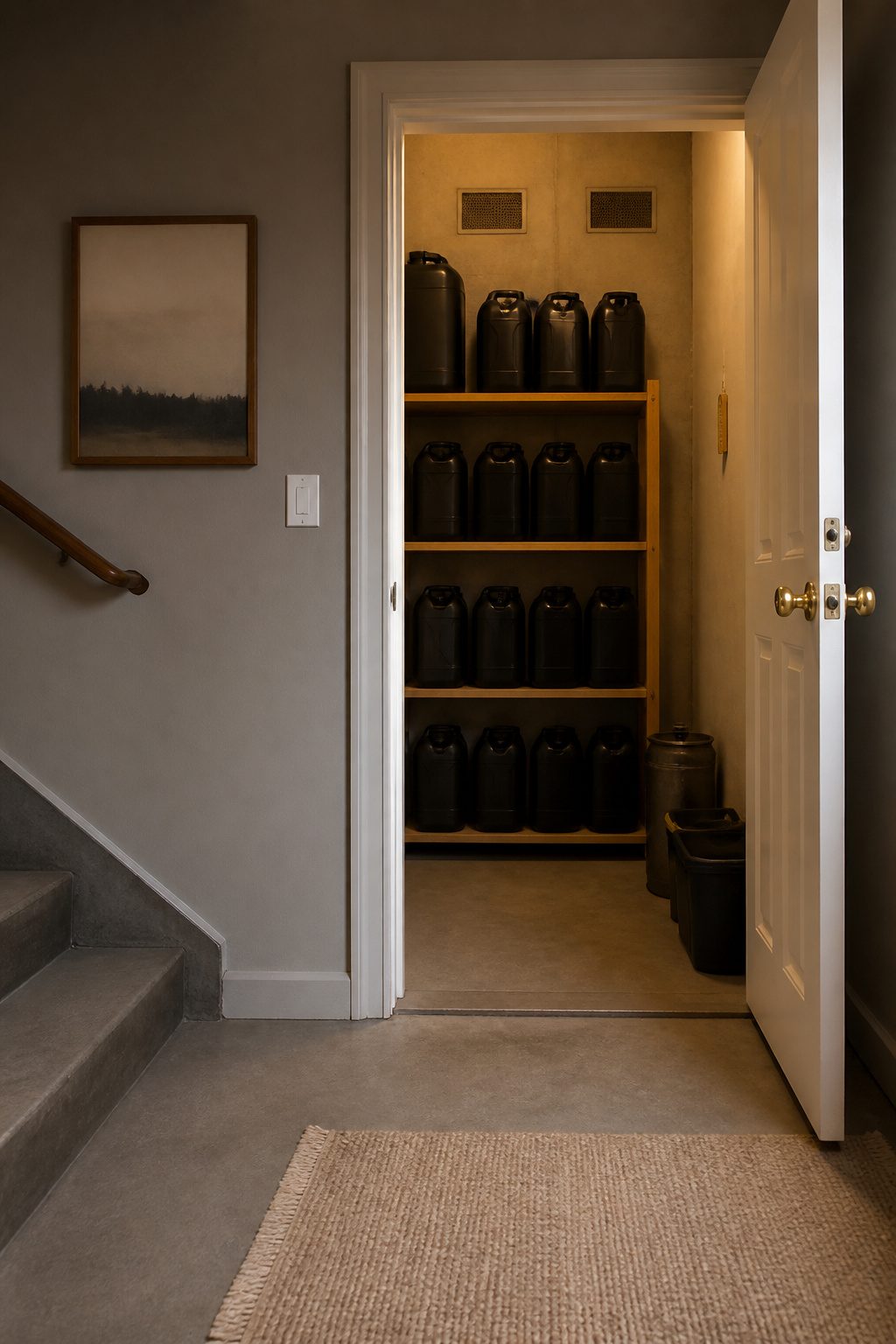
Temperature control matters more than most people expect when they start out with survival water storage. The sweet spot sits between 50–70°F, which means a basement closet beats an attic in summer by a wide margin. Light, heat, and bacteria are the three enemies here, and direct sunlight will grow algae even in sealed containers.
Garage storage only works if your garage stays stable year-round. Cement floors are another problem: plastic can absorb chemicals from concrete, so pallets or shelving keep containers off the ground. Heat weakens plastic over time, and freezing is worse. Water expands about 10% when it freezes, so any container stored where temperatures drop hard should only be filled to roughly 85% capacity.
I keep my own supply in a windowless interior closet on the north side of the house, where the temperature barely shifts. Opaque containers help anywhere, but in hot climates they are close to essential. A dark HDPE drum in an Arizona garage will outlast a translucent jug by years, simply because light and heat work together to break plastic down.
Treating Water for the Long Term
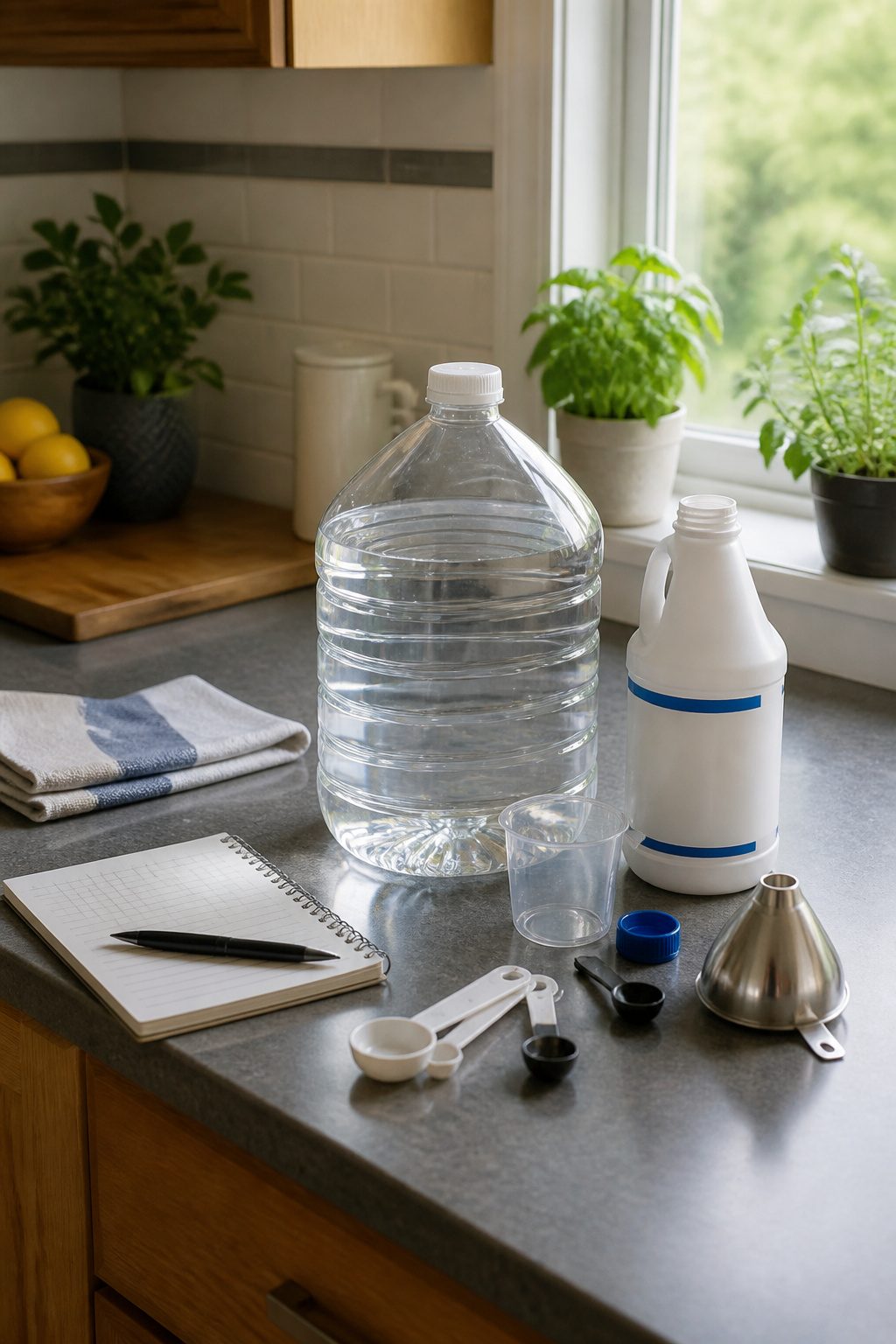
Eight drops of unscented household bleach per gallon is the figure to remember, and it works. The water should be clear; if it is cloudy, the dose doubles to 16 drops. After adding it, 30 minutes of wait time before sealing the container lets the chlorine do its work.
Boiling has its place, though mostly for water collected from streams, ponds, or any source you did not trust going in. One to three minutes at a rolling boil, then full cooling before it ever touches a storage jug. For city tap water already under treatment, boiling is overkill; bleach handles the final step simpler and without fuel cost.
Purification tablets are the third path, and they travel well. The tradeoff is shelf life and sometimes a chemical aftertaste that lingers longer than bleach leaves behind.
My own stored water gets the bleach treatment, and the taste stays neutral enough that the family does not notice a difference on the first pull from a six-month rotation. The real catch is the bleach itself: that bottle in your laundry room starts degrading after six months and loses most of its punch by 18. I mark the purchase date on the cap and keep a fresh spare.
Rotation and Maintenance
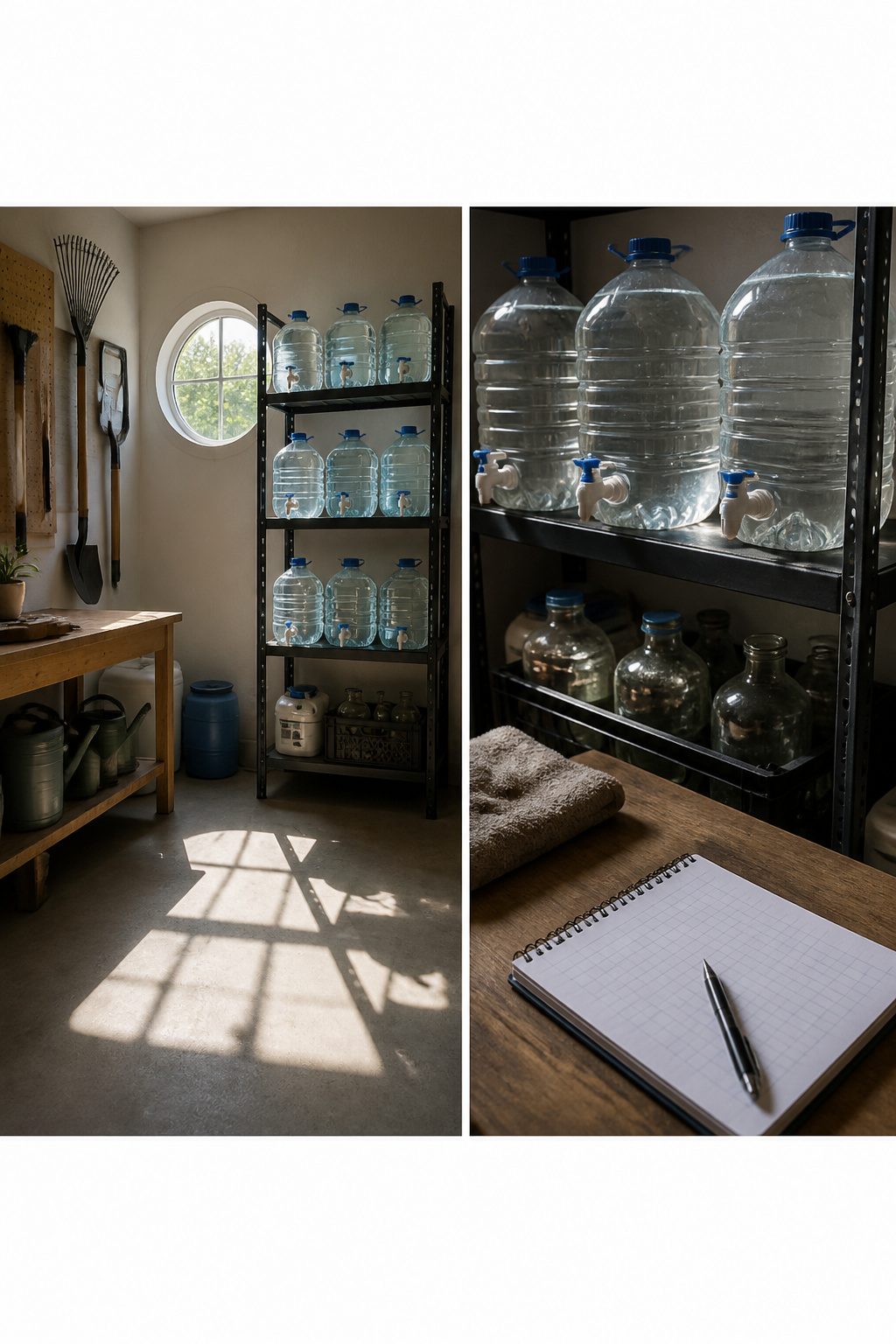
Stored water does not spoil, but after six to twelve months in plastic it starts to taste flat. The first time I opened a container that had been slid under a bed for a year, the dull, almost cardboard flavor caught me off guard. It was still safe, just unpleasant.
That batch went straight to the garden and the toilet tanks. Every six to twelve months, check your containers for leaks, cracks, or bulging, then use the old water for plants or cleaning rather than pouring it down the drain. Marking fill dates with a permanent marker keeps the rotation visible; mine are color-coded by quarter so a glance tells me what is due.
If the taste bothers you, pouring stored water between clean containers to expose it to air helps slightly. For water you filled yourself, treating it before drinking is a reasonable precaution after long storage.
Frequently Asked Questions
How much water should I store for emergencies?
FEMA and the Red Cross both recommend at least one gallon per person per day as the floor, with half for drinking and half for basic hygiene. Two gallons per person buys real comfort for cooking, cleanup, and not feeling rationed. For a family of four at that comfort level, thirty days means 240 gallons, though heat, illness, pregnancy, or heavy labor can push demand fifty percent higher.
How long can water be stored safely?
Properly treated and sealed water in food-grade containers lasts six to twelve months before rotation, though it does not actually spoil. The taste goes flat first, turning dull and cardboard-like after a year under a bed. With water preserver concentrate, storage can stretch to five years. Mark fill dates with a permanent marker and use old water for plants or cleaning rather than pouring it out.
Can I store water in my garage?
Only if your garage stays temperature-stable year-round and never drops below freezing. Cement floors are another problem; plastic absorbs chemicals from concrete, so use pallets or shelving to keep containers off the ground. Heat weakens plastic over time, and freezing is worse since water expands about ten percent when it turns to ice, so any container in freeze-risk areas should only be filled to roughly eighty-five percent capacity.
How do I sanitize my water storage containers?
Wash the container and lid with dish soap and warm water, then rinse completely. Mix one teaspoon of unscented household chlorine bleach per quart of water, pour it in, cap it, and shake for thirty seconds so every interior surface gets contact. Let it stand another thirty seconds, then drain and air-dry. For treating clear water before storage, eight drops of unscented bleach per gallon does the job.
What types of containers should I avoid for water storage?
Skip milk jugs entirely; the plastic is biodegradable by design and milk proteins create a bacterial breeding ground no amount of bleach fully fixes. Glass breaks too easily under weight or impact to trust in an emergency. Soda bottles are slightly better than milk jugs but stay transparent and weak, letting light degrade contents. Any container that held chemicals is out entirely; residues bond to plastic in ways household washing cannot touch. Only use containers sold as food-grade from the start.