Open carry means carrying a firearm where anyone nearby can see it without effort, but the same act can be perfectly legal on one side of a county line and a misdemeanor on the other. In Denver, state law lets an 18-year-old strap on a holster, yet city law bans the practice outright, so a twenty-minute drive flips you from law-abiding to facing charges.
What Open Carry Means
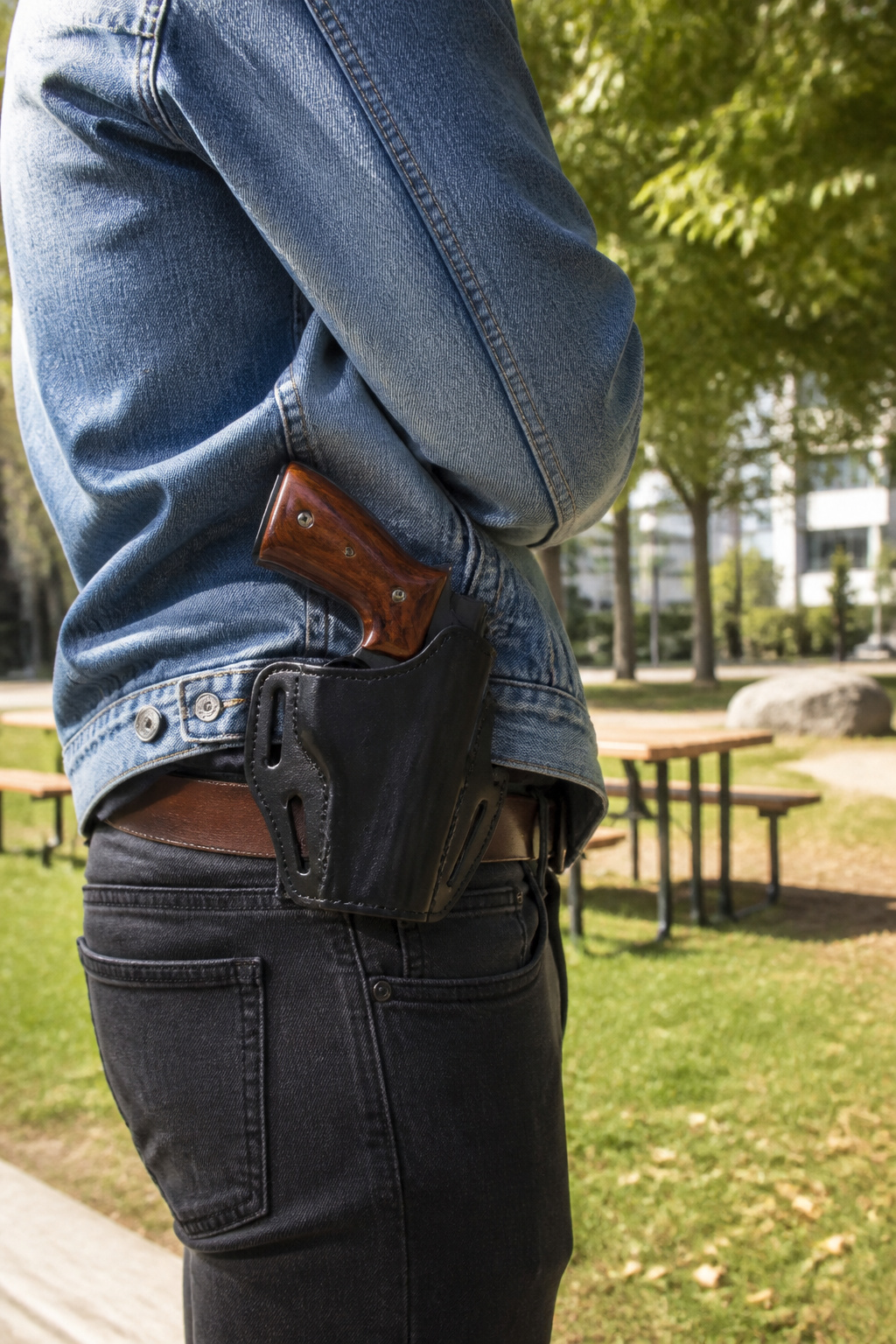
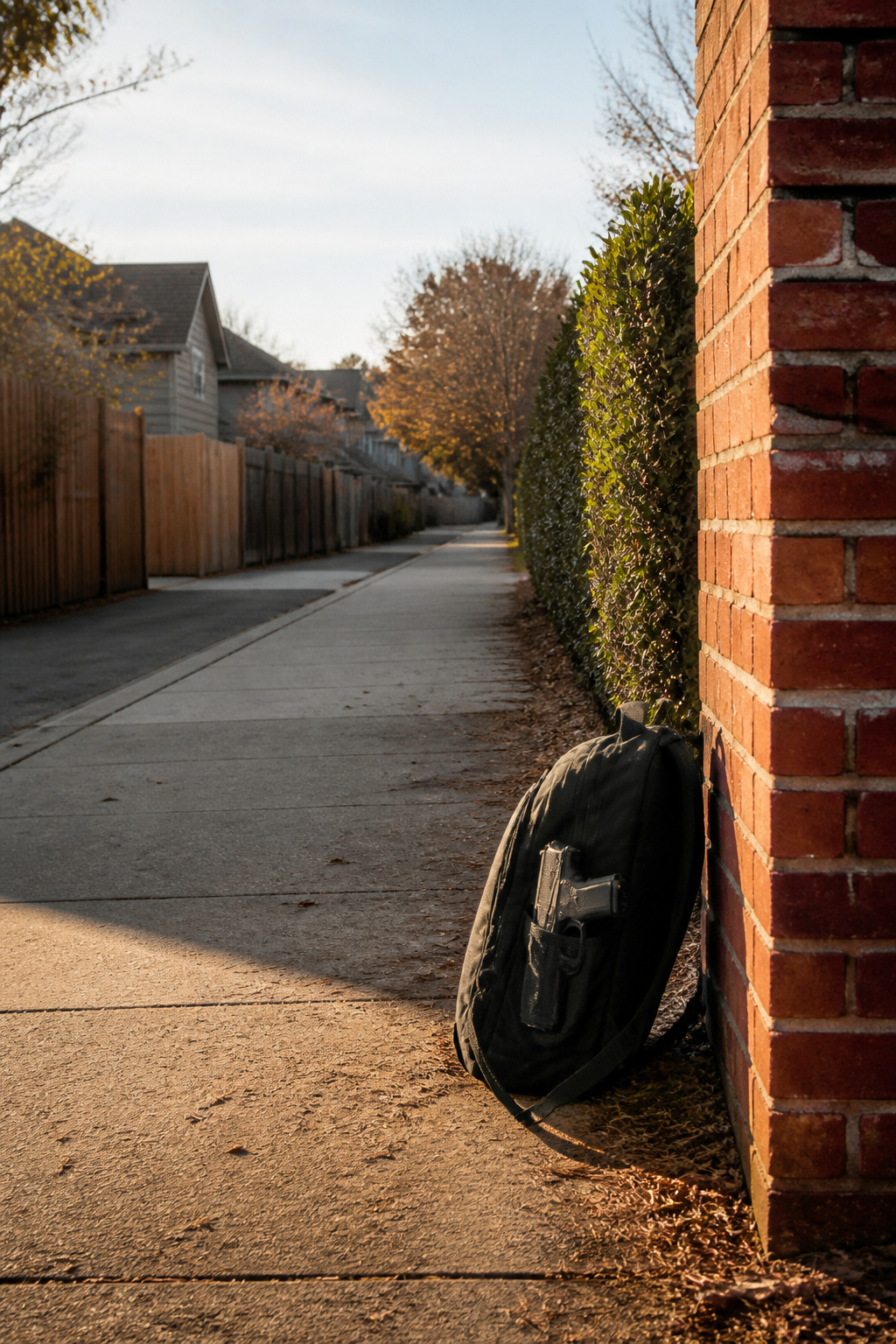
Open carry means a firearm is carried visibly on your person in public, plain enough that anyone nearby can see it without effort. A handgun in an outside-the-waistband holster or a rifle slung across your back both qualify. Concealed carry is the opposite: the weapon stays hidden under clothing or inside a bag, and that difference changes everything about where you can go and what paperwork you need.
The distinction matters because the same state can treat the two practices completely differently. Most states restrict concealed carry through permit systems, while open carry often faces lighter rules. Some states require a license for open carry, others only regulate whether the firearm is loaded or which locations are off-limits, and a few ban the practice outright in most public spaces.
Since the mid-1970s, open carry has also taken on political weight. What used to be a simple legal category, useful mainly for contrasting with concealed carry, became a visible statement about gun rights. That shift affects how people react when they see a firearm in a grocery store or park, which in turn shapes why the state-by-state patchwork ahead matters so much in daily life.
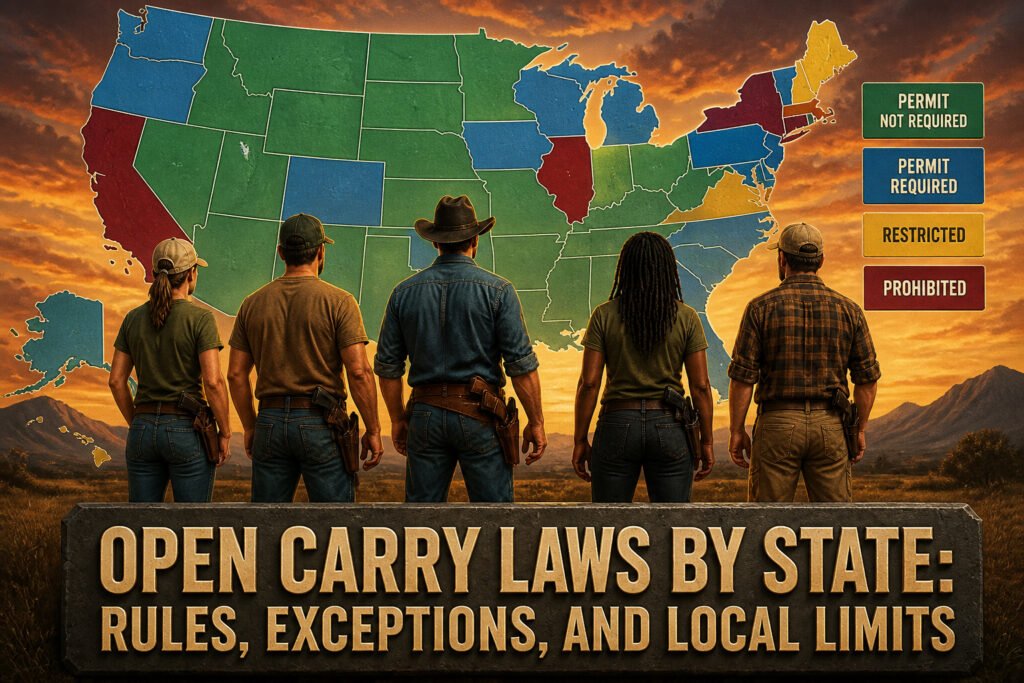
Permissive Open Carry States
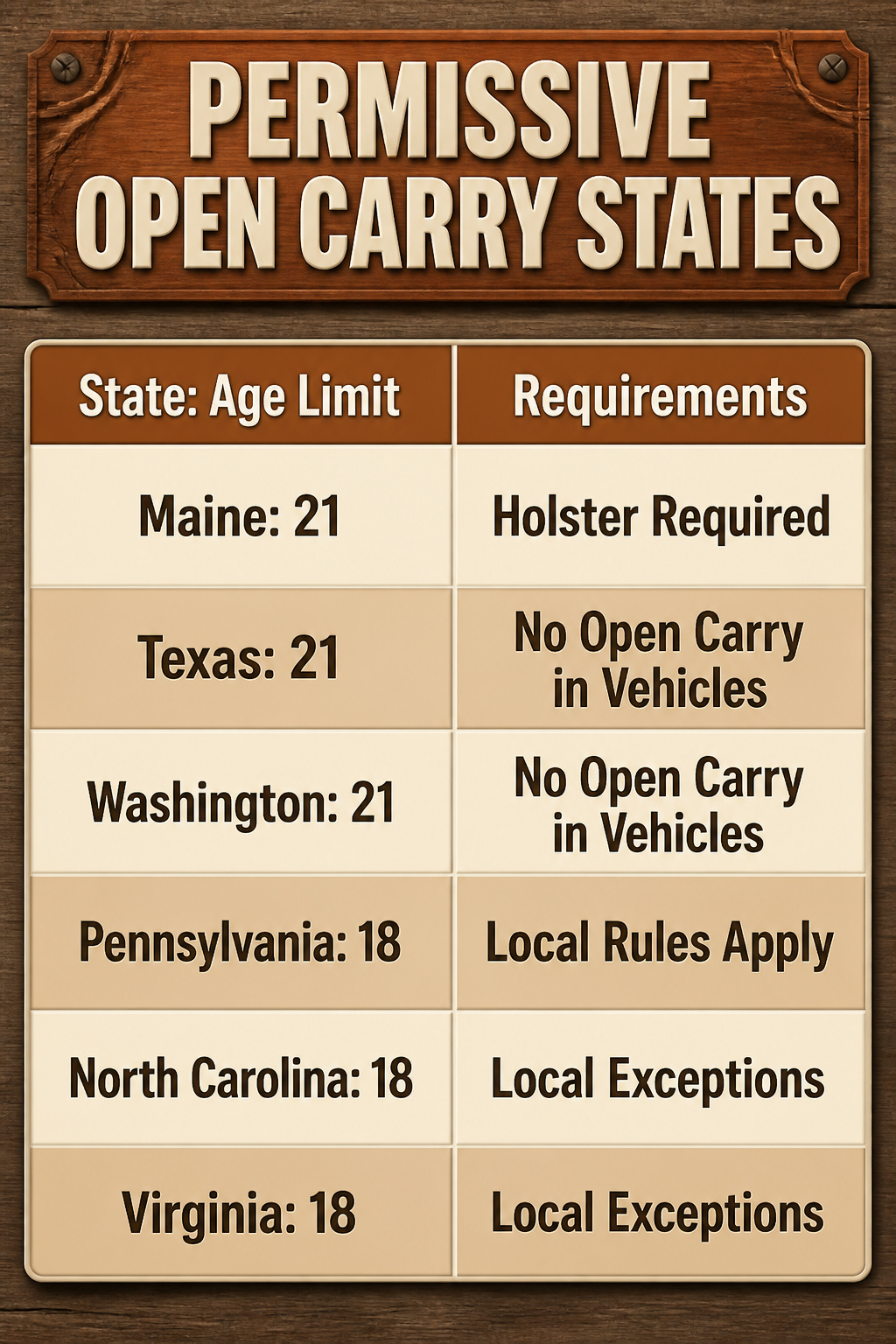
Thirty-one states let you strap on a handgun and walk down Main Street without asking permission first. No permit, no license, no paperwork. That is the reality in what most trackers call permissive open-carry territory, a list that runs from Alaska and Arizona up through Vermont and down to Virginia.
The catch is that "permissive" never means "anything goes." Age floors vary: 18 in most of these states, 21 in Maine, Oklahoma, Texas, Utah, and Washington. Texas adds the holster requirement. Washington bars open carry in vehicles entirely. Pennsylvania stays permissive on paper, but Philadelphia operates under its own rules. North Carolina and Virginia both let local governments carve out exceptions, so a perfectly legal walk in one county becomes a problem at the next line.
Some of these states distinguish between handguns and long guns, or between residents and visitors. Others exempt only antique firearms from licensing rules. What reads as a clean category on a map turns into a patchwork once you actually drive it. My own read of the current landscape: treat every state as a research stop before you cross the border, because the permissive label guarantees only that the state itself will not demand a permit. Local limits, age gates, and vehicle rules still apply.
Licensed Open Carry States

Licensed open carry sits in an odd middle ground: the gun is visible, but the state still wants paperwork. You need a permit in Connecticut, Georgia, Hawaii, Maryland, Massachusetts, Minnesota, New Jersey, North Dakota, Rhode Island, and South Carolina. The rules run thinner than most people expect. North Dakota drops the age to 18; most others hold at 21. Massachusetts demands a Class B permit, which, in practice, means months of waiting and no guarantee. Rhode Island routes you through the attorney general’s office for approval.
The gap between open and concealed carry permitting matters. Some of these states run both permits through the same system; others treat open carry as the harder license to get. Hawaii and Maryland make it county-specific or employment-tied, so the permit in one city does not travel clean across the state line. Costs and wait times shift with each jurisdiction, and what disqualifies you in Minnesota (certain misdemeanor domestic findings) may not match Rhode Island’s list.
Everytown Research claims permit states cut gun violence by 10%, though that figure sits in dispute. What is not disputed is the paperwork load: where constitutional carry states hand you nothing to file, these ten hand you a stack.
Anomalous Open Carry States
Some states let you strap on a holster under state law, then turn you into a criminal at the city limits. Colorado, Michigan, Missouri, Nebraska, and Oregon all allow open carry at the state level, age 18 or 19 depending on the state, but local governments can still ban it outright or layer on their own permits. Denver did exactly that: open carry is legal across Colorado at 18, yet banned inside city limits. The patchwork means a twenty-minute drive can flip you from law-abiding to facing charges, and the officer who pulls you over will not care that the last town was fine with it. Oregon goes further, with several cities and one county restricting loaded open carry while unloaded carry stays preempted; an Oregon Concealed Handgun License is the only reliable shield against the maze. Missouri sets its floor at 19, or 18 for military, but local rules there can still tighten the noose. Michigan adds its own twist: the gun must be registered in your name, and non-residents need a recognized permit even for open carry. The only safe move is looking up city ordinances before you cross the line, because state law will not save you once you do.
Non-Permissive Open Carry States
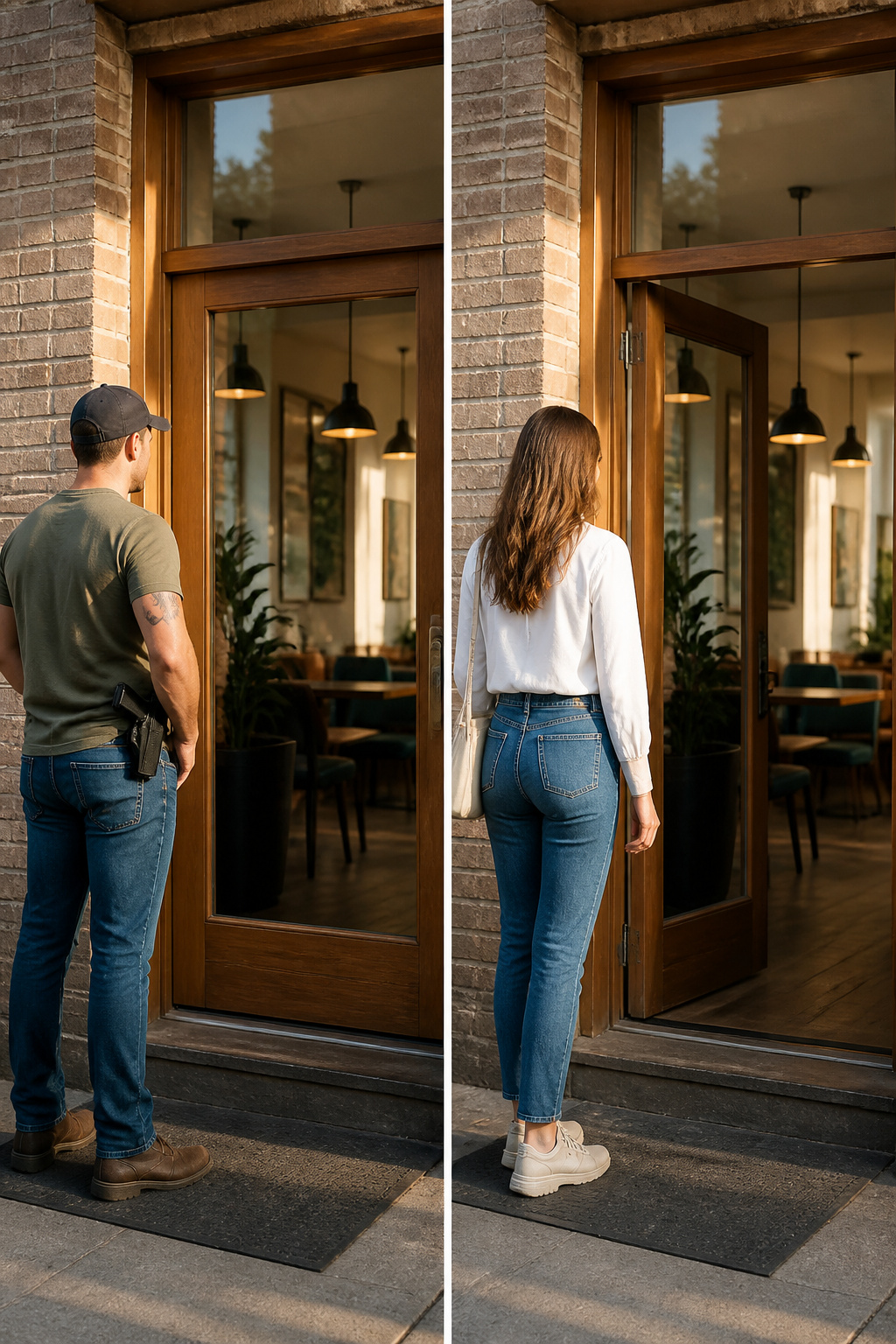
Most Americans live in places where open carry is at least possible, but five jurisdictions keep the door almost completely shut. California, Florida, Illinois, New York, and Washington D.C. each handle the prohibition differently, and the details matter if you travel between them.
California built its ban in layers. Penal Code 26350 closed off unloaded handgun carry back in 2012, and 25850 added loaded firearms to the list. What remains is narrow enough that most residents never encounter it: rural pockets where discharge itself is already restricted. The law applies broadly in incorporated cities and most unincorporated areas, so the exceptions stay theoretical for everyday purposes.
Florida until recently allowed open carry only while hunting or fishing. Then in September 2025, a state appeals court found the statute unconstitutional. Where that leaves enforcement is still sorting itself out, but the decision itself is now part of any conversation about carrying openly in Florida.
Illinois, New York, and Washington D.C. prohibit open carry outright. No permit path exists for it, no sporting exception to lean on. The District and these two states represent the hardest line in American firearm regulation, and crossing into them with a visible weapon carries consequences that do not depend on your home state’s permissions.
How Texas Changed in 2021
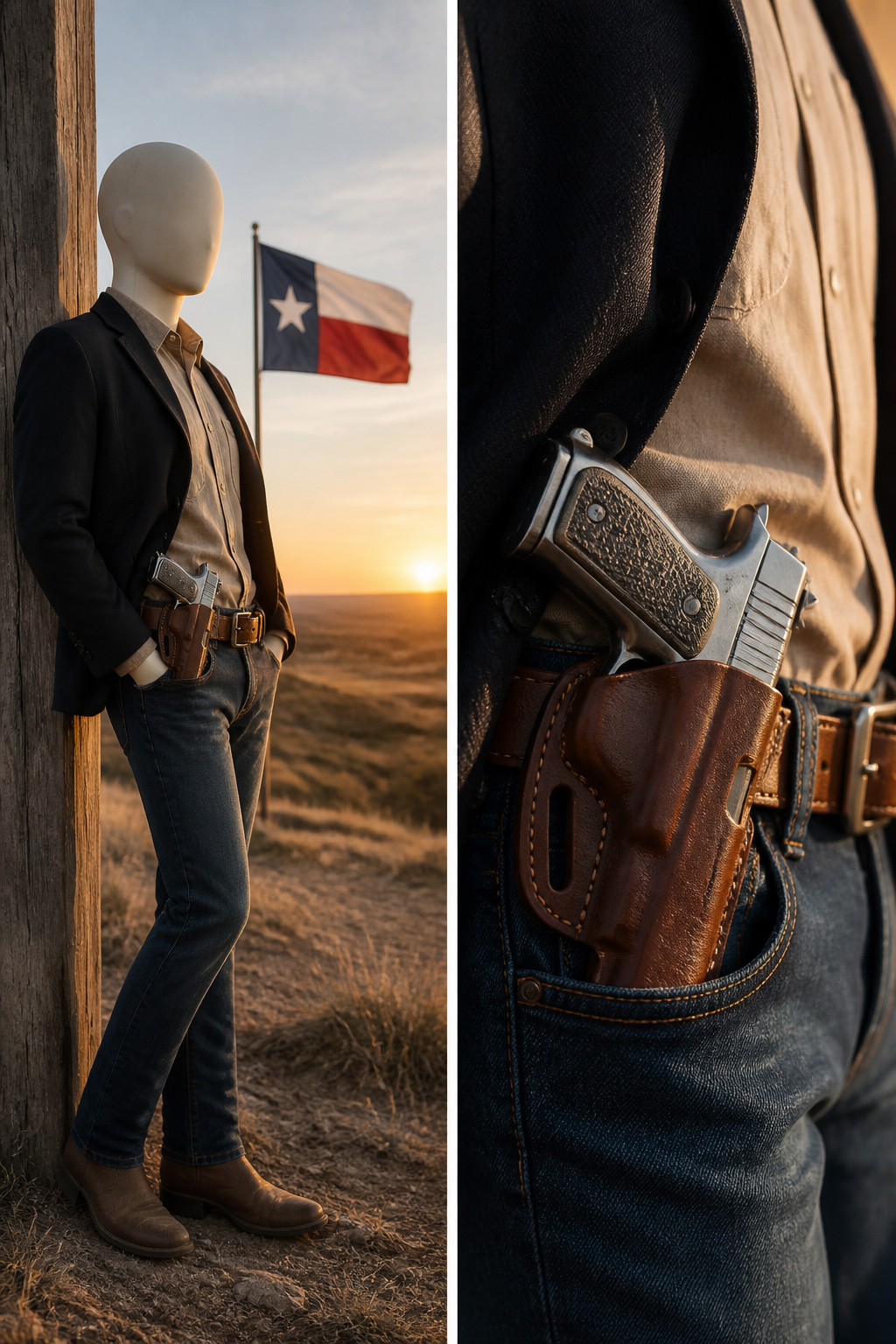
Texas used to require a license just to carry a holstered handgun where anyone could see it. Before 2021, the law said "shoulder or belt holster" and you needed that permit on you. The 2021 change dropped both restrictions. Now Section 46.02 of the Penal Code reads simply "holster," no style specified, and no license required for most Texans in most public spaces.
The handgun still has to stay holstered, whether partially visible or fully. Unholstered in plain view remains off-limits in vehicles and boats unless you’re "traveling," a separate exemption that stayed put.
Three quarters of Texas police chiefs had opposed open carry back when the 2016 law passed. The 2021 shift went further than that original compromise, and the transition on the ground was mostly invisible: same holster rule, same prohibited locations, just minus the licensing gate. The License to Carry still exists, and plenty of people get it anyway for reciprocity when they cross state lines or for skipping background checks on private sales.
Local Laws That Override State Rules

Some states let cities and counties write stricter open carry rules than the state itself. Colorado allows open carry at 18, but Denver bans it outright. Oregon also permits open carry at 18, yet local rules vary enough that a county line can change what is legal. Michigan and Missouri fall into the same pattern: state law says yes, but local governments add their own limits or registration requirements.
Washington takes a different approach. State law in chapter 9.41 RCW explicitly lets cities, towns, and counties adopt ordinances affecting firearms possession and sale. That means a sheriff’s office or local police department may enforce rules stricter than what the state legislature passed.
When state and local law conflict, courts generally look at whether the state has preempted the field. Some states have explicit preemption clauses that nullify local rules. Others, like Washington, deliberately leave the door open. The result is a patchwork where checking city ordinances before carrying is not cautious, it is necessary.
What Violations Cost You

Getting open carry wrong starts with misdemeanors for most first-time violations, though the line to felony is thinner than people expect. Carrying loaded, or doing it with prior convictions on your record, pushes charges upward fast. In Texas, House Bill 910 made the rules plain: no license means fines and potential jail time, and stepping into a school or government office with that firearm gets you trespassing with a weapon, not a polite warning. California went further back in 2012. January 1 of that year, Penal Code 26350 PC kicked in, and openly carrying even an unloaded firearm became a crime outright. Before then, unloaded carry had been legal for most. The shift was sharp, and the penalties stuck. Wherever you are, convictions cost more than the immediate fine. Firearm rights disappear, and the record follows. Early legal help matters, but the better move is knowing the boundary before you cross it.
How People Actually React

A man walking into a Kroger in Charlottesville with a rifle slung across his back prompted multiple 911 calls in minutes, even though Virginia law allowed exactly what he was doing. Officers arrived, questioned him, confirmed no crime, and left. The calls kept coming. That pattern repeats in open-carry states across the country: legal conduct still draws police response, and the person carrying pays in time, stress, and sometimes handcuffs.
Businesses have largely settled the matter for themselves. Major chains including Starbucks, Target, Chipotle, and Panera publicly requested that customers leave firearms at home after high-profile incidents, regardless of state law. Their property, their rules. A "no guns" sign in Texas carries legal weight; in some states it does not, but security will still escort you out.
The safety debate splits along predictable lines. Gun-rights advocates note that open carriers deter crime by signaling readiness; critics point to the 2014 Las Vegas Walmart shooting where two attackers murdered an open carrier first, specifically for his weapon. Studies on deterrence remain inconclusive, with methodological fights over whether falling crime rates in open-carry states show cause or correlation.
What convinced me, reading through incident reports, is how much hinges on demeanor and context. Same rifle, same parking lot: one carrier walks with purpose toward his truck, another films himself waiting for a reaction. The law treats both identically. Bystanders and responding officers never do.
Where These Laws Came From

American open carry rules did not arrive fully formed. Before 2012, California allowed unloaded handguns in plain view, no permit required. That January, Penal Code 26350 PC ended the practice entirely, even for unloaded weapons. The shift was legislative, not judicial, and it moved the state from permissive to restrictive in a single session.
Texas ran the opposite direction. On January 1, 2016, it legalized belt or shoulder holster carry despite opposition from 75 percent of Texas police chiefs. Three years later, September 1, 2019 brought further loosening. By 2021, most Texans could carry handguns publicly without any license at all.
Florida’s change came through the courts, not the capitol. On September 10, 2025, a panel of the 1st District Court of Appeal ruled the state’s open carry ban unconstitutional under the Second Amendment. Attorney General James Uthmeier treated the decision as binding immediately, issuing guidance that law enforcement should not arrest visible carriers. The ruling took full effect September 25, 2025, after a fifteen-day appeal window expired unchallenged.
The pattern is uneven: some states tightening by statute, others loosening by legislature or litigation, with no single national trajectory.
Frequently Asked Questions
What are the four categories of open carry laws?
Open carry laws fall into four groups: permissive states let you carry visibly without any permit; licensed states still demand paperwork for a visible firearm; anomalous states allow it under state law but let cities ban it outright; and non-permissive states prohibit the practice entirely or allow it only in narrow circumstances like hunting.
Are there any states that do not allow open carry at all?
Five jurisdictions keep open carry almost completely shut: California, Florida, Illinois, New York, and Washington D.C. Each handles the prohibition differently. California layered its ban through Penal Codes 26350 and 25850. Florida’s ban was found unconstitutional by a state appeals court in September 2025, though enforcement is still sorting out. Illinois, New York, and the District prohibit it outright with no permit path available.
Can cities override state open carry laws?
Yes, in anomalous states local governments can impose stricter rules than the state itself. Colorado allows open carry at 18, yet Denver bans it outright. Oregon permits it at 18, but several cities and one county restrict loaded open carry. Michigan, Missouri, and Washington also let local governments add limits or permits. When state and local law conflict, courts look at whether the state has preempted the field. Some states have explicit preemption clauses; others deliberately leave the door open for local rules.