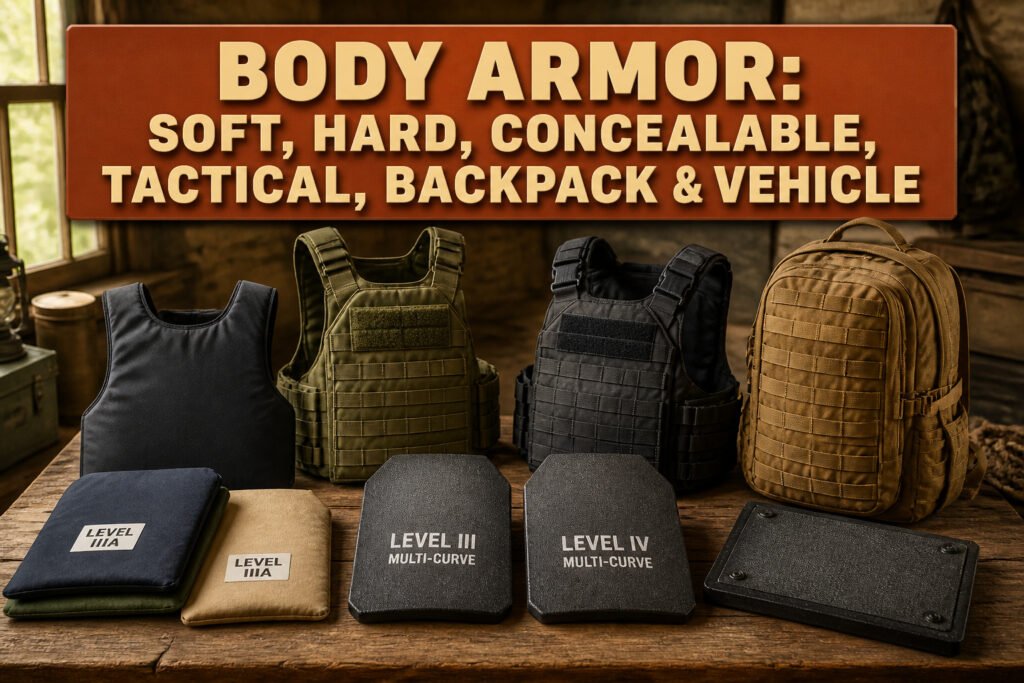
Body armor is the material barrier worn to stop ballistic threats, and the protection it offers depends entirely on whether you are facing handguns or rifles. Soft armor, woven from Kevlar or Dyneema, handles most handgun rounds but folds against rifle fire; hard ceramic, steel, or polyethylene plates stop those rifle threats at the cost of four to nine pounds per plate. That gap between Level IIIA soft panels and Level III or IV hard plates is the decision point that shapes every other choice in the article below.
Soft Body Armor

Soft body armor starts with flexible weaves like Kevlar or Dyneema, materials that trade rigidity for the ability to drape under a shirt or uniform. The fibers work by spreading impact energy across a wide area, which stops most handgun rounds and shrapnel but will not defeat rifle fire. That gap matters: a Level IIIA panel, the common rating for this class, handles the threats most civilians and patrol officers actually face, while leaving rifles to hard plates.
Prices run from $129.99 to $611.95, depending on coverage and whether the panels come sewn into a carrier or slip in as inserts. The lower end gets you basic protection; the upper end buys side coverage and carriers that actually disappear under clothing.
What convinced me, reading through the options, is how much lifespan depends on treatment. These panels last 5–7 years with proper care, but that means storing them flat or hung, never compressed under gear in a hot trunk, and cleaning the carrier separately from the ballistic material itself. The fibers degrade slowly, without visible warning, so the expiration date is not a suggestion.
Hard Body Armor Plates
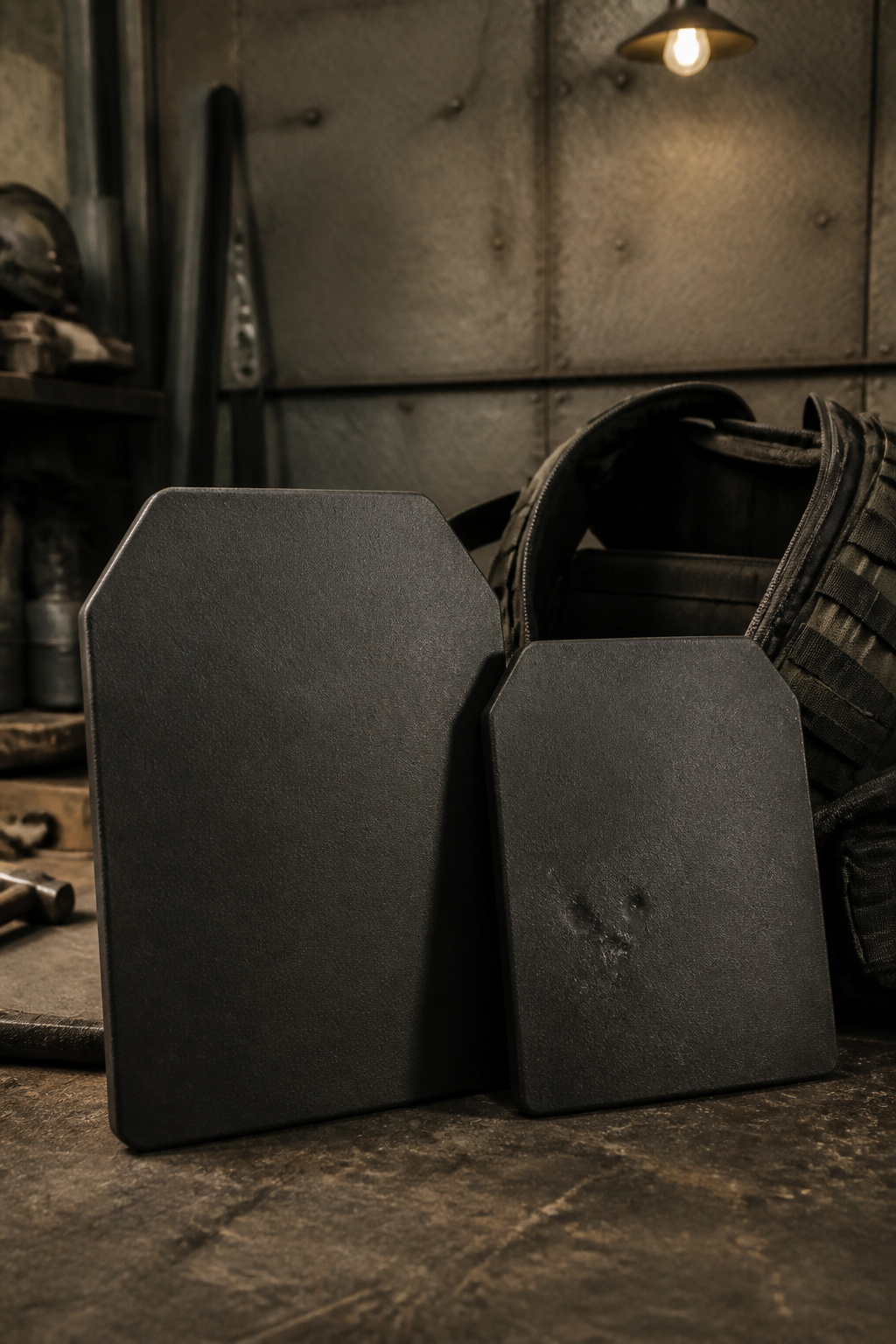
Hard body armor plates are what you add when a handgun round is no longer the worst thing you expect to face. Ceramic, steel, and polyethylene composites make up the rigid shells that stop rifle threats where soft armor folds. The NIJ certifies these under Level III and Level IV standards, with Level IV rated to stop armor-piercing .30-06 M2 AP rounds by fracturing and absorbing the impact across the plate surface.
That protection costs weight. Level IV plates run 4.5 lbs to 8.9 lbs each, and two of them on your chest and back add up fast during any movement longer than a hallway. The price spread is narrower than you’d think for gear that might matter this much: standalone plates start around $199.00 and top out near $349.99 for Level IV options, with full kits including carriers pushing past $900.
Steel hangs in there against multiple hits but sends spall everywhere unless coated. Ceramic takes one or two center-mass shots and cracks through, so you replace it. Polyethylene splits the difference on weight but can still run thick. What you choose depends on whether you are planning to wear this for four hours or four minutes, and whether the threat is one round or a magazine.
Concealable Armor
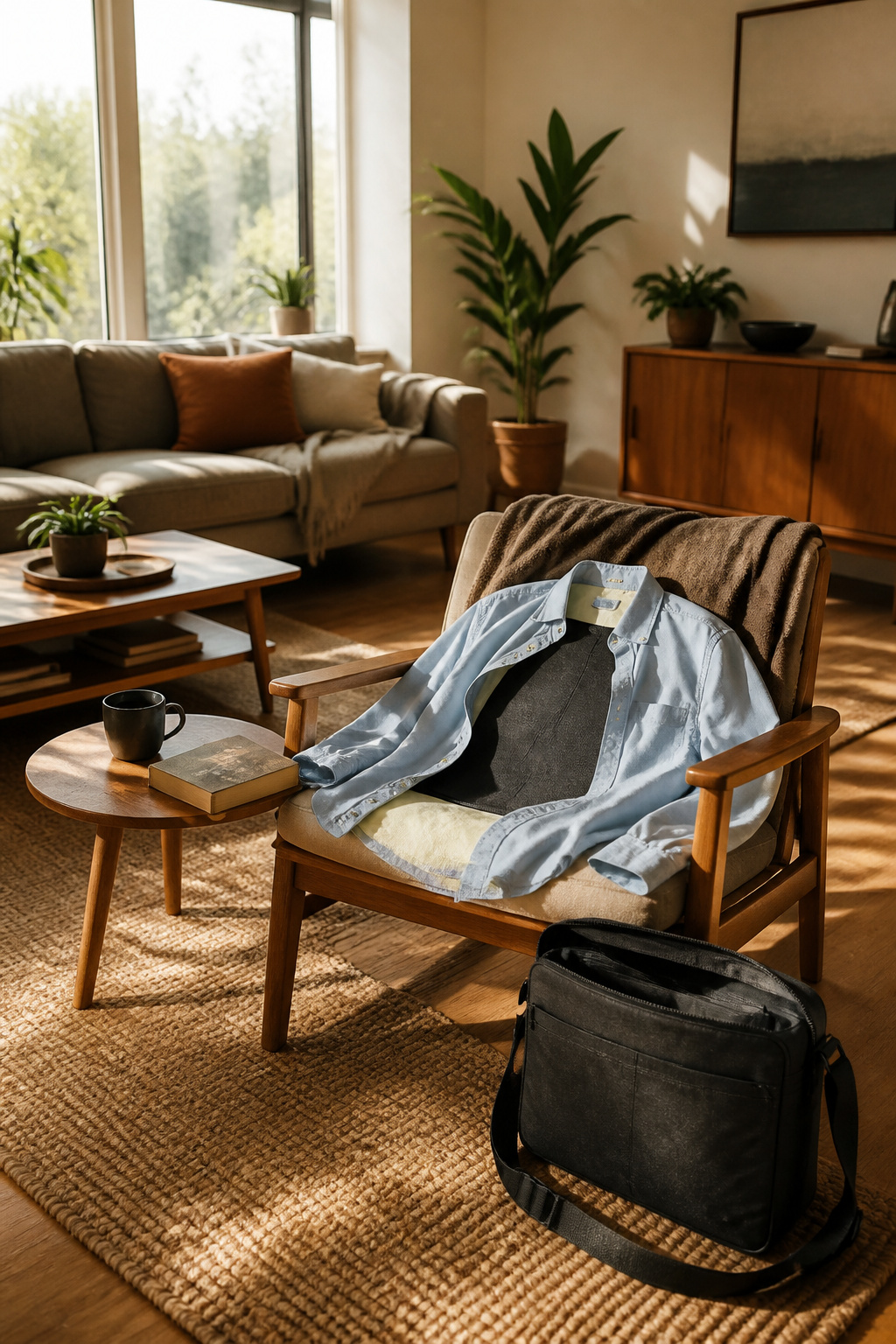
Most body armor you see in public is meant to be noticed. Concealable armor flips that requirement. These are soft panels, usually Kevlar or other para-aramid fibers rated up to Level IIIA, built thin enough to vanish under a button-down or jacket. The trade is real: you get handgun and fragmentation protection, nothing against rifles, and the closer the fit the more the material shows in motion.
Fit is where these systems live or die. A panel that rides up or gaps at the side leaves the armpit or lower abdomen exposed, so the carrier matters as much as the ballistic material. Some designs, like the compression-shirt approach with panels sewn front, back and sides, solve this by turning the armor into base layer rather than equipment you strap on. The result runs warmer than a standard undershirt, especially in summer, and costs more than basic soft armor, but the discretion is the point: no one should know you are wearing it.
The users split roughly in two. Law enforcement on plainclothes assignment has worn this class of armor for decades. The newer market is civilians who want handgun protection without the conversation that visible armor starts. Both groups face the same limitation. Soft armor stops what it stops; if the threat profile includes rifles, concealable panels alone leave you underprotected.
Tactical Vests
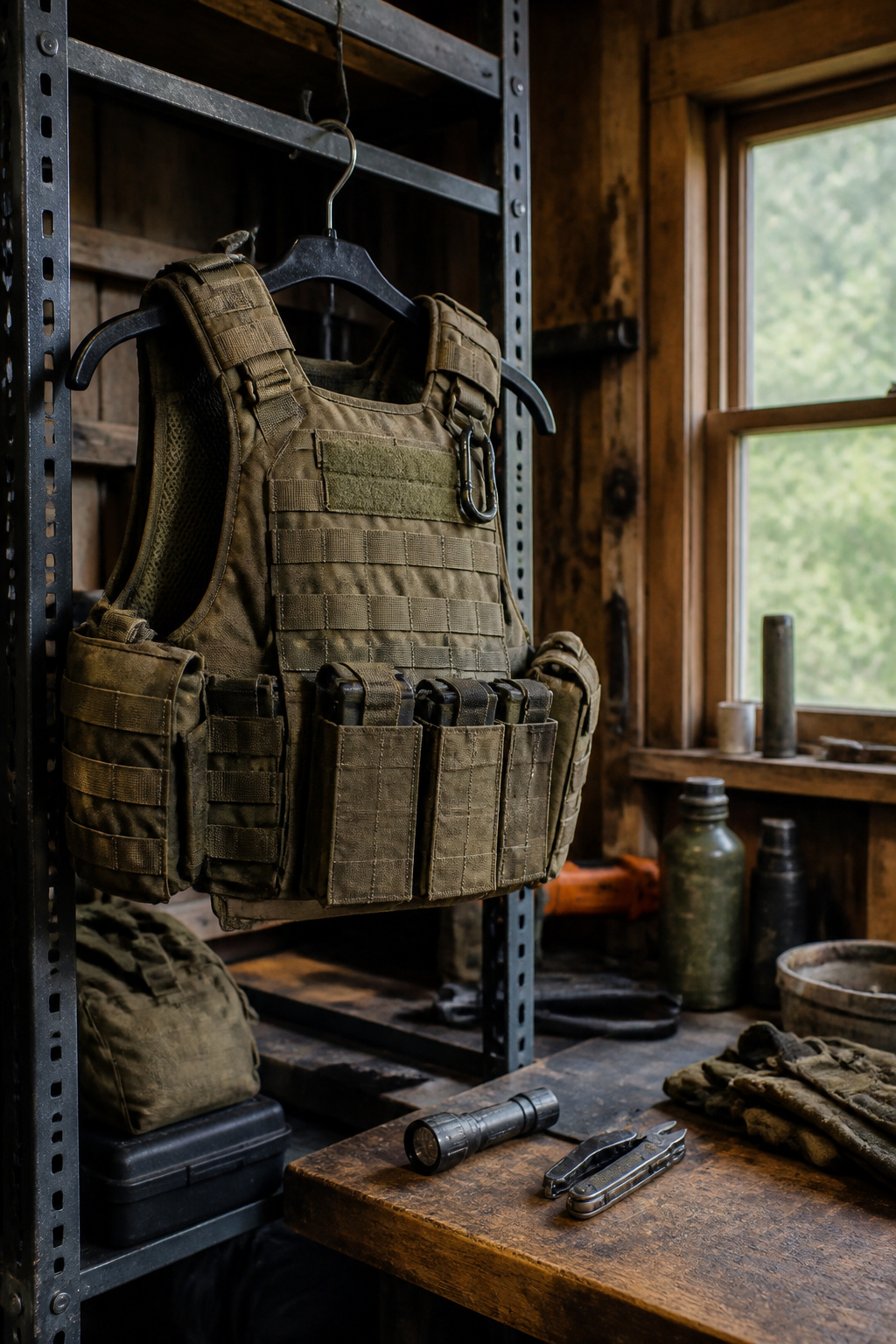
Plate carriers and tactical vests are what most people picture when they hear body armor: a web of MOLLE straps across the chest, hard plates front and back, and enough pouches to load out for a specific job. The Hoplite Mark II carrier, for instance, runs Small through Large SAPI or Swimmer-cut plates and sells at $321.30 after a recent markdown from $459.00. That price difference between concealable soft armor and a kitted plate carrier tells part of the story. The rest is weight and profile. A concealable vest rides under a shirt, bends with your torso, and disappears. A tactical vest sits outside, adds bulk from the plates themselves, and trades all-day wearability for the ability to stop rifle rounds and carry gear. The RISE Tactical Carrier builds on that trade with modular design meant to adapt mid-mission, not to blend into a commute. Navy sailors in 2007 were already wearing Modular Tactical Vests with bolt-on neck and groin protection; the concept has only gotten more specialized since. For home defense, range work, or any scenario where concealment does not matter, the plate carrier wins. For moving through crowds or sitting in a vehicle twelve hours straight, it punishes you.
Backpack Inserts

Backpack inserts sit in a different category from the vests most people picture when they hear body armor. These are soft panels, usually Level IIIA, made to slip into an ordinary backpack without announcing what they are. Students and commuters get a portable layer against handgun rounds and fragmentation without wearing anything that looks tactical.
The trade-off is real. Soft armor in a backpack only covers what the bag covers. Swing it around to the front in a moment of need, or accept that protection stays behind you while you are running. Rifle-rated hard plates exist for bags too, like the Mira Safety Level IV plate at 5.9 lbs, but that weight turns a school pack into a burden fast. Most civilian users stick with soft panels for exactly that reason.
Premier Body Armor and several other makers sell inserts sized for common backpack brands, plus universal fit options. Some are cut for specific bag lines like Vertx or Viktos. The panels do not change how the bag looks, which matters for a student who does not want questions from classmates or teachers.
A ten-year warranty shows up on some hard plates, though soft armor ages faster from flexing and sweat. Check the guarantee terms before buying; Premier offers an incident replacement if the panel is used in a documented defensive situation.
Vehicle Armor
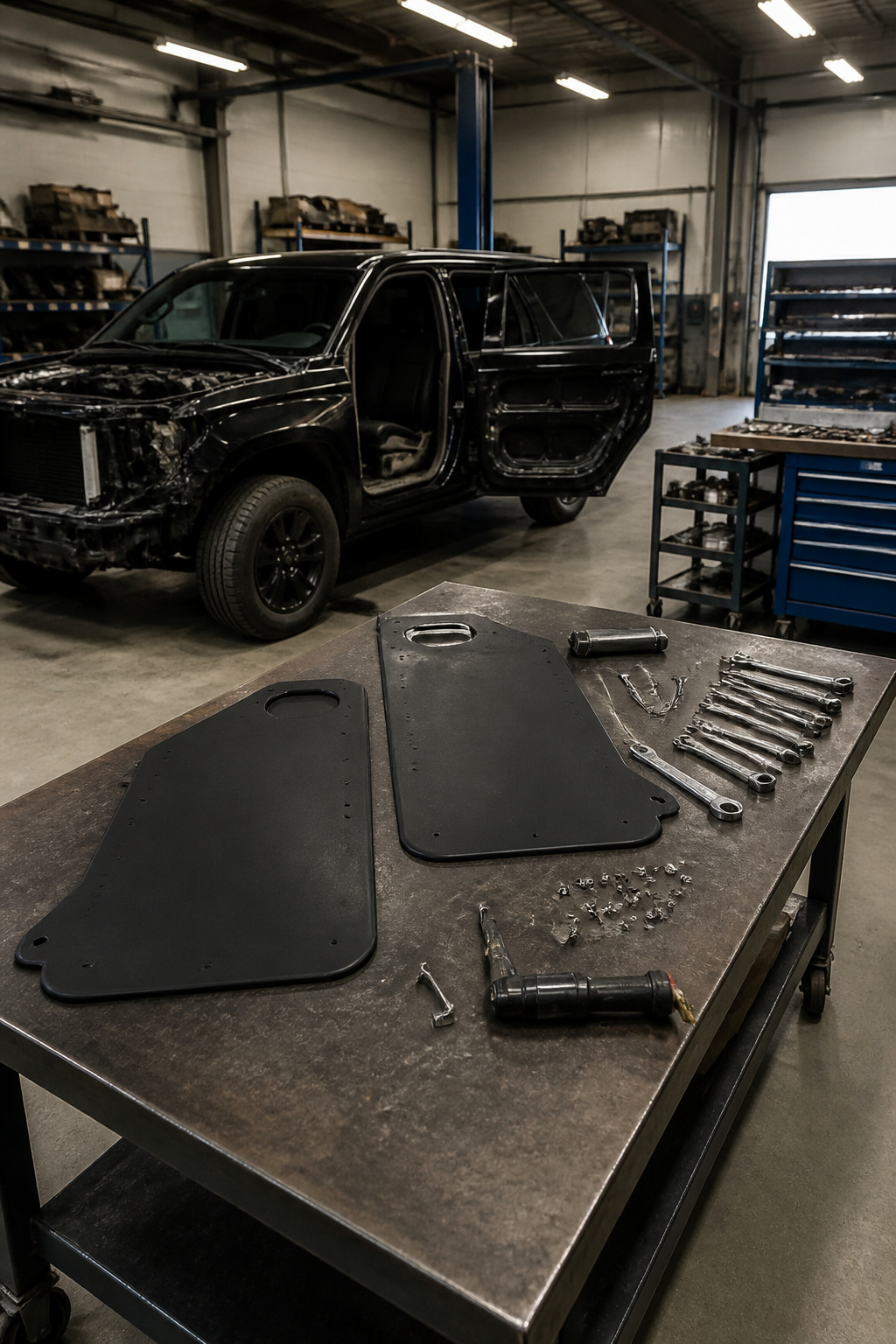
Vehicle armor sits in its own category entirely, with materials and installation demands that diverge from anything worn on the body. Door panels and floor protection are the two main applications, and both require ballistic panels shaped to the vehicle’s interior geometry rather than to a human torso.
Angel Armor builds its vehicle line around Avail technology, a patented system meant to stop multiple rounds from common threats without adding so much weight that performance suffers. The panels are designed to clear internal door components, which matters because a panel that interferes with window regulators or wiring harnesses turns a five-hour install into a shop day you did not plan for.
NIJ Level IIIA is the rating most agencies look for in patrol vehicles, and Texas currently has a $5 million grant open for 2026 applications covering exactly that level of protection. The grant covers ballistic door panels and patrol vehicle protection, which tells you where departments see the risk: driver-side approaches and traffic-stop gunfire from the flank.
Floor protection is the less obvious need. Rifle rounds from below, through the rocker panel or up through the transmission tunnel, bypass vertical door armor entirely. Most patrol packages do not include it standard, and retrofitting means pulling seats and carpet, so the time to think about it is during vehicle build, not after the fact.
NIJ Ratings
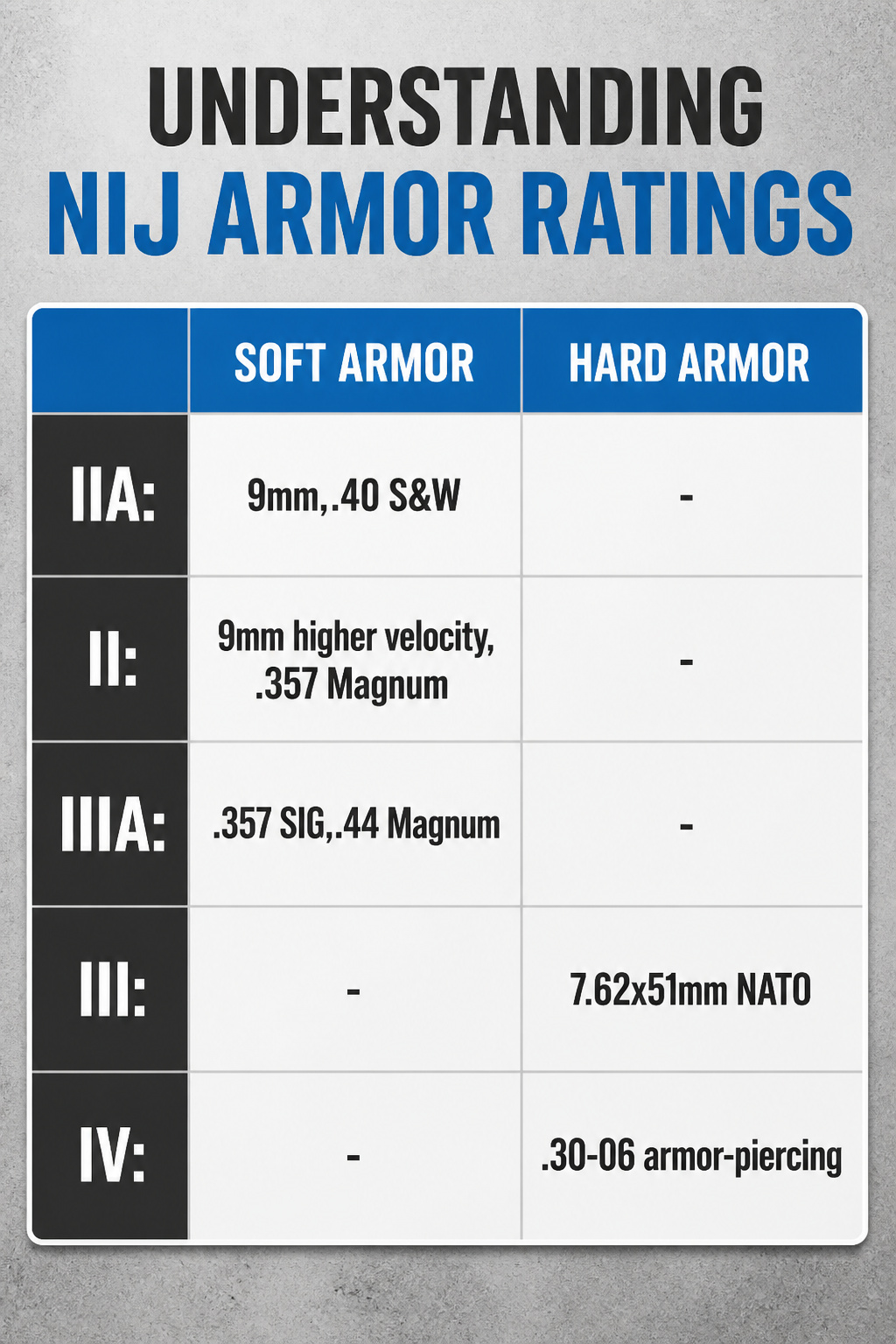
The NIJ rating system runs from Level IIA up to Level IV, and the jump from soft to hard armor happens at the break between IIIA and III. Soft levels stop handgun rounds; hard levels stop rifle rounds. That distinction matters more than the numbers suggest, because a vest rated for the highest handgun threats still fails against common rifle calibers.
Here is how the levels stack up:
| Level | Armor Type | Stops |
|---|---|---|
| IIA | Soft | 9mm, .40 S&W |
| II | Soft | 9mm higher velocity, .357 Magnum |
| IIIA | Soft | .357 SIG, .44 Magnum |
| III | Hard | 7.62x51mm NATO |
| IV | Hard | .30-06 armor-piercing |
Level IV represents the highest NIJ 0101.06 certification, tested specifically against .30-06 M2 AP rounds. The updated 0101.07 standard replaces this designation with RF3, though the threat stopped remains equivalent. Plates at this level use ceramics and composites to fracture and absorb impact, which adds weight compared to Level III but delivers the maximum protection available to civilians and law enforcement.
Soft armor tops out at IIIA. Past that point, you need plates.
Materials Used
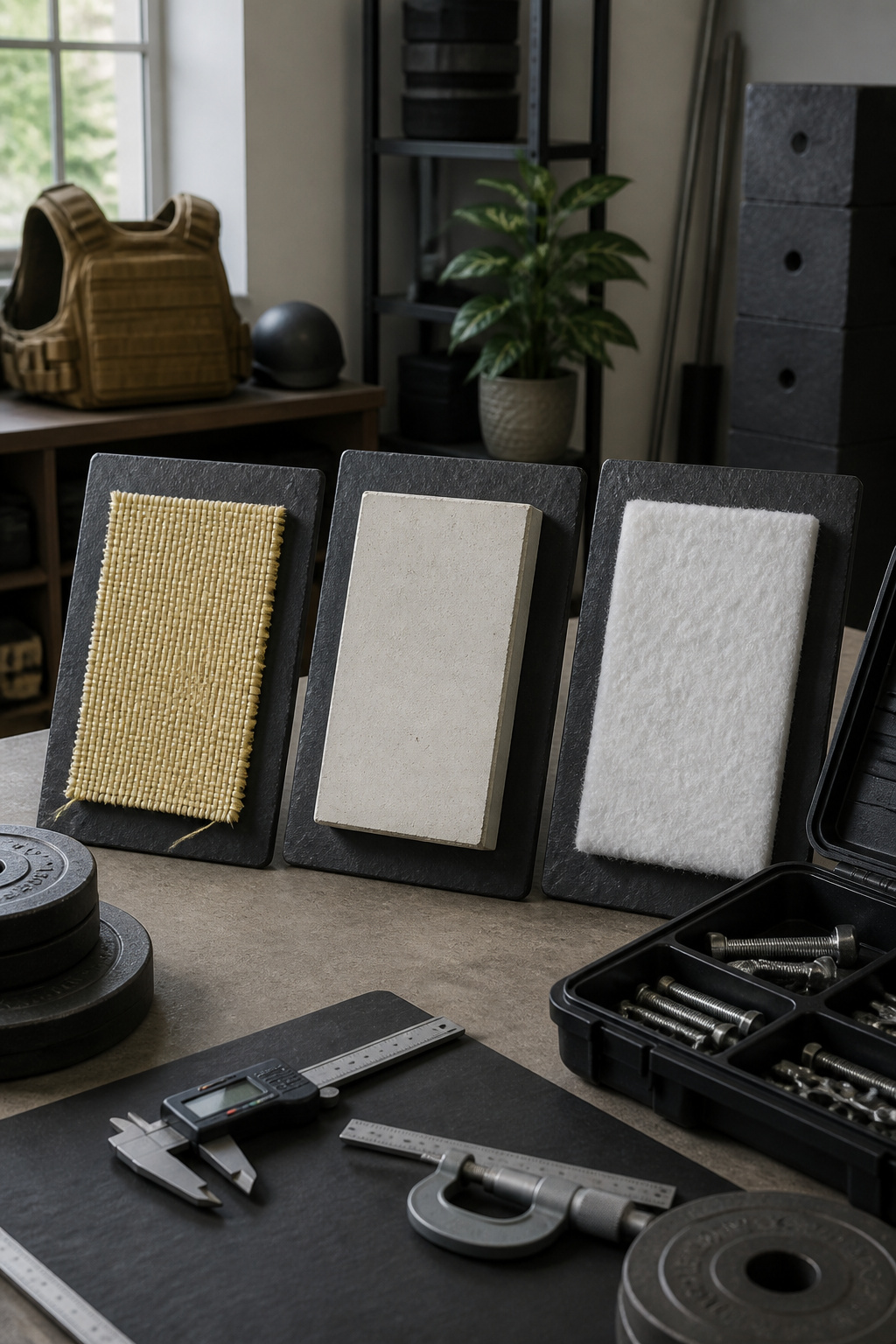
Kevlar still runs the show for soft armor. The fabric flexes, breathes, and you can wear it under a shirt without announcing yourself. I have seen patrol officers pull twelve-hour shifts in it, and the comfort matters when you are moving that long. But Kevlar is a fabric, not a plate; rifle rounds walk straight through.
For hard plates, the real fork in the road is ceramic versus steel. Steel takes hit after hit without cracking, which sounds like the win until you strap it on. A 10-by-12 steel plate runs roughly eight pounds, and after an hour the weight pulls at your shoulders in a way that changes how you move. Ceramic cuts that weight by half or better. Boron carbide, alumina, and silicon carbide strike faces shatter incoming rounds, turning or eroding the projectile before a UHMWPE or aramid backing catches what is left. The catch: ceramic cracks. One solid hit to the same spot and the plate may need replacement, where steel keeps eating rounds.
The projectile is shattered, turned, or eroded as it impacts the ceramic strike face, and much of its kinetic energy is consumed as it interacts with the ceramic layer; the fiber composite backing layer absorbs residual kinetic energy and catches bullet and ceramic debris.
That backing layer is what keeps the spall out of your throat. Budget plates cheap out here, swapping UHMWPE for fiberglass or plain aramid. The plate still stops the bullet, but the blunt trauma and the debris behind it get worse.
UHMWPE, sometimes sold under names like Dyneema, is the lightest option going. It floats, literally, and plates built from it can run under three pounds. The trade is thickness; you need more layers to stop the same round, so the plate bulks outward. For a concealable soft panel, that bulk matters less than weight, and UHMWPE disappears under a jacket better than Kevlar of the same rating. Multi-hit performance sits between steel and ceramic; it does not crack like tile, but deep deformation from a first hit weakens the spot for a second.
Sizing and Fit
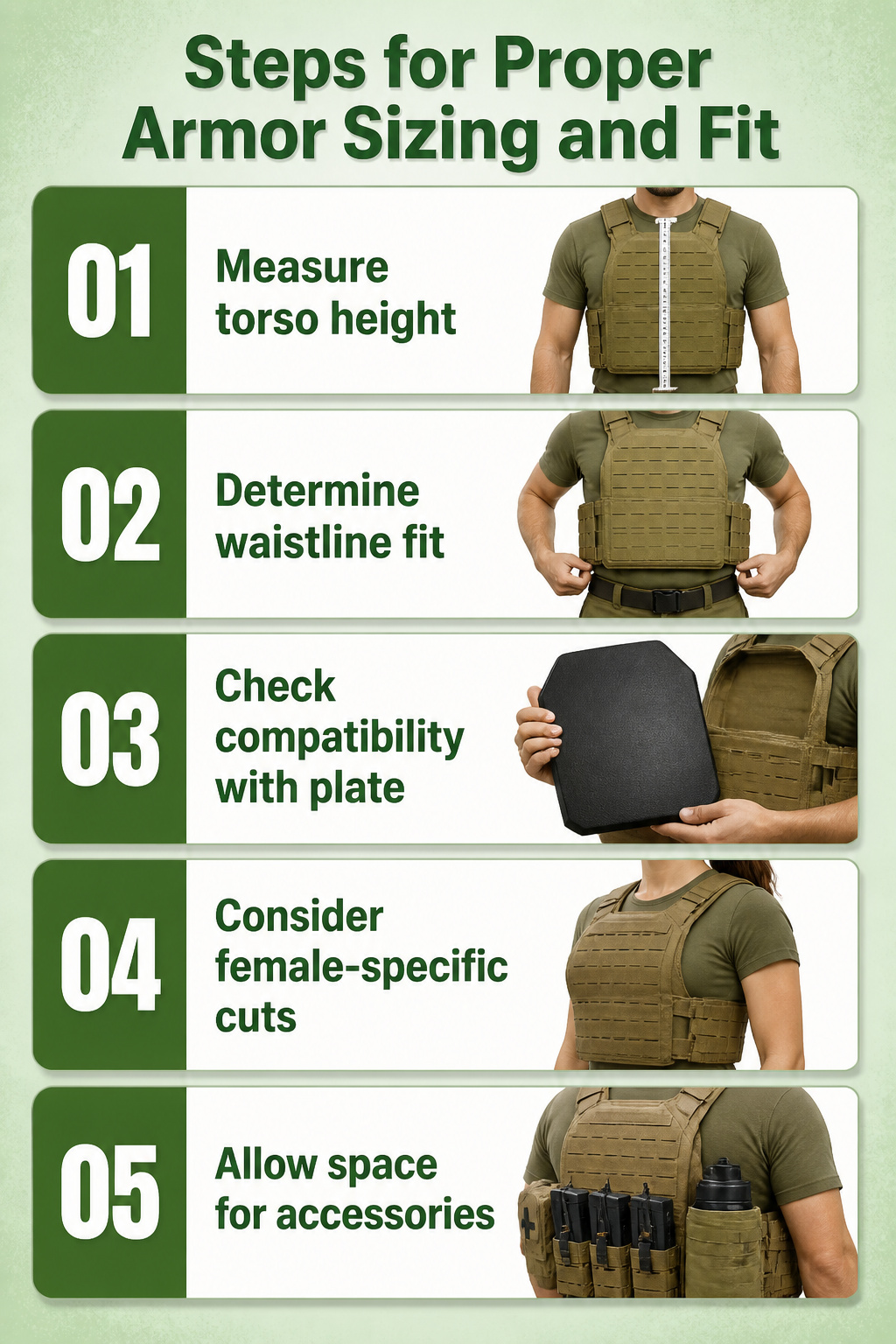
A plate carrier that rides too high leaves your lower ribs exposed; too low, and it catches on your belt line every time you bend. The rule of thumb is top of the torso to a few inches above the waistline, which sounds simple until you try it in a fighting stance, seated in a vehicle, or reaching overhead. Coverage and mobility trade off directly, and the cut of the carrier matters as much as the plate size.
Most manufacturers list small through extra-large, but those labels do not map cleanly to chest measurements or height. A sizing guide from one brand may put the same person in a medium; another, a large. The plate itself is the critical dimension, since that is what stops the round. The carrier is just the holster, yet a poor carrier fit will shift the plate off your vitals under load.
Female-specific cuts exist, though the field is thin. One lightweight kit built for a 5’2" frame runs $789.97–$799.97 and uses level 3A+ plates, not level 4, because the maker does not offer female plates in that lighter ceramic configuration. The cut accounts for bust and torso length, but the real estate problem remains: smaller frames have less surface area for magazines, medical gear, and water. That is a judgment call between coverage and what you can actually carry. If you are buying for a smaller build, plan on aftermarket upgrades to the cummerbund and Velcro layout; out-of-the-box rarely deploys ready.
Maintenance and Care

Ballistic panels break down on a schedule no amount of care can beat. That 5- to 7-year lifespan is a hard limit, set by the aramid or polyethylene fibers degrading even in ideal conditions. I store mine flat in a closet that stays room-temperature, away from the bathroom humidity and the window’s UV. Hanging works too, but folding or rolling the panels creates permanent creases that compromise coverage.
The carrier goes in the washing machine once the panels are out, air-dried to keep the fabric from shrinking. Panels themselves get wiped with mild soap and water, nothing harsher. I keep a spare carrier so I’m never tempted to wear a wet one or skip cleaning altogether. Every few months I lay the panels out and look for fraying, delamination, or any spot where the cover has torn enough to expose the weave underneath. Chemical exposure, even something as ordinary as bleach or gasoline fumes in a garage, accelerates the invisible breakdown. Heat above normal room temperature does the same, so the trunk of a car in summer is a bad storage spot. The materials are more fragile than they look. Ceramic and some soft armor fabrics in particular react badly to moisture and temperature swings, so consistency matters more than any single dramatic precaution.
Frequently Asked Questions
What is body armor?
Body armor is protective clothing designed to absorb or deflect physical attacks, primarily bullets and shrapnel. It ranges from flexible soft vests made of woven fibers like Kevlar to rigid hard plates of ceramic, steel, or polyethylene. Soft armor protects against handgun rounds; hard armor stops rifle threats.
How does body armor protect me?
Body armor works by spreading impact energy across a wide area rather than letting it concentrate at the point of contact. Soft armor uses flexible weaves that catch and dissipate the force of handgun rounds and fragmentation. Hard plates fracture or erode incoming rifle projectiles, with a backing layer absorbing what remains so nothing penetrates to the body.
Is owning body armor legal?
Yes, body armor is legal for law-abiding citizens in all fifty states. Federal law prohibits sale to convicted felons. Connecticut requires face-to-face purchases from a local dealer and bans direct shipment to civilians there. No federal law restricts specific protection levels for eligible buyers.
What is the lifespan of body armor?
Ballistic panels typically last 5 to 7 years with proper care. The fibers degrade slowly without visible warning, so the expiration date is firm. Heat, compression, moisture, and UV exposure all accelerate breakdown, which is why storage conditions matter as much as calendar age.
How should I maintain my body armor?
Store panels flat or hung at room temperature, never folded or compressed under gear in a hot vehicle. Clean the carrier separately in a washing machine and air-dry it. Wipe panels themselves with mild soap and water, avoiding harsh chemicals or bleach entirely. Inspect every few months for fraying, delamination, or torn covers that expose the weave beneath.