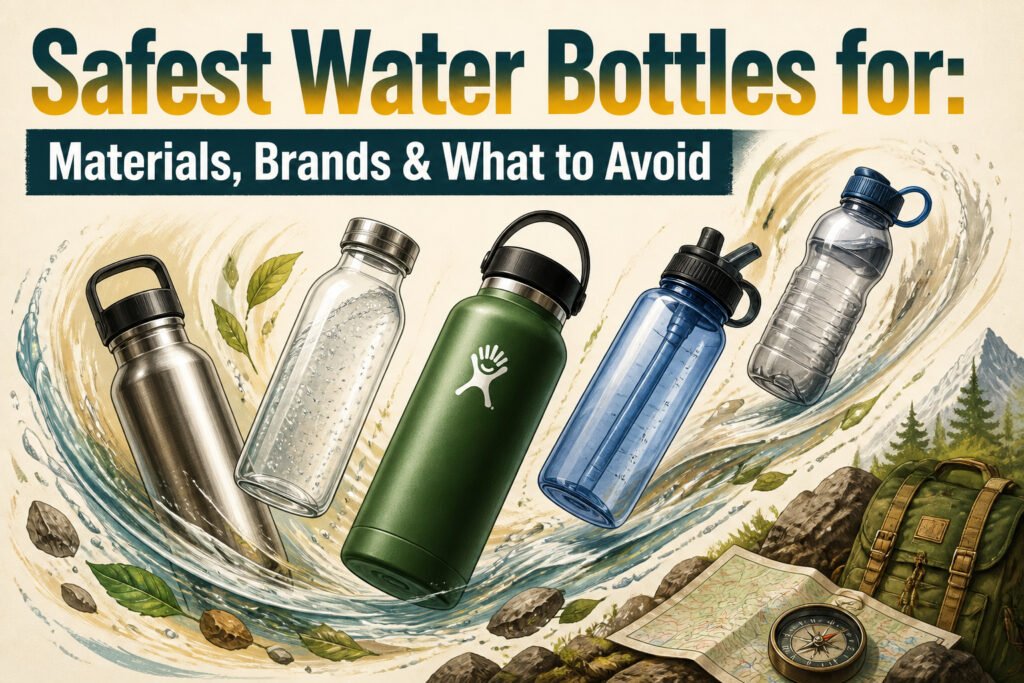
The Hydro Flask Wide Mouth wins for most people because it was the first brand to eliminate lead entirely from its construction, a move that took years and serious investment to achieve. That matters if you want vacuum insulation that keeps drinks cold 24 hours without a metallic taste, and a powder-coated exterior that stays grippy when wet. Skip it if you refuse to hand-wash or need something lighter; the 32-ounce size adds noticeable heft.
1. Hydro Flask Wide Mouth
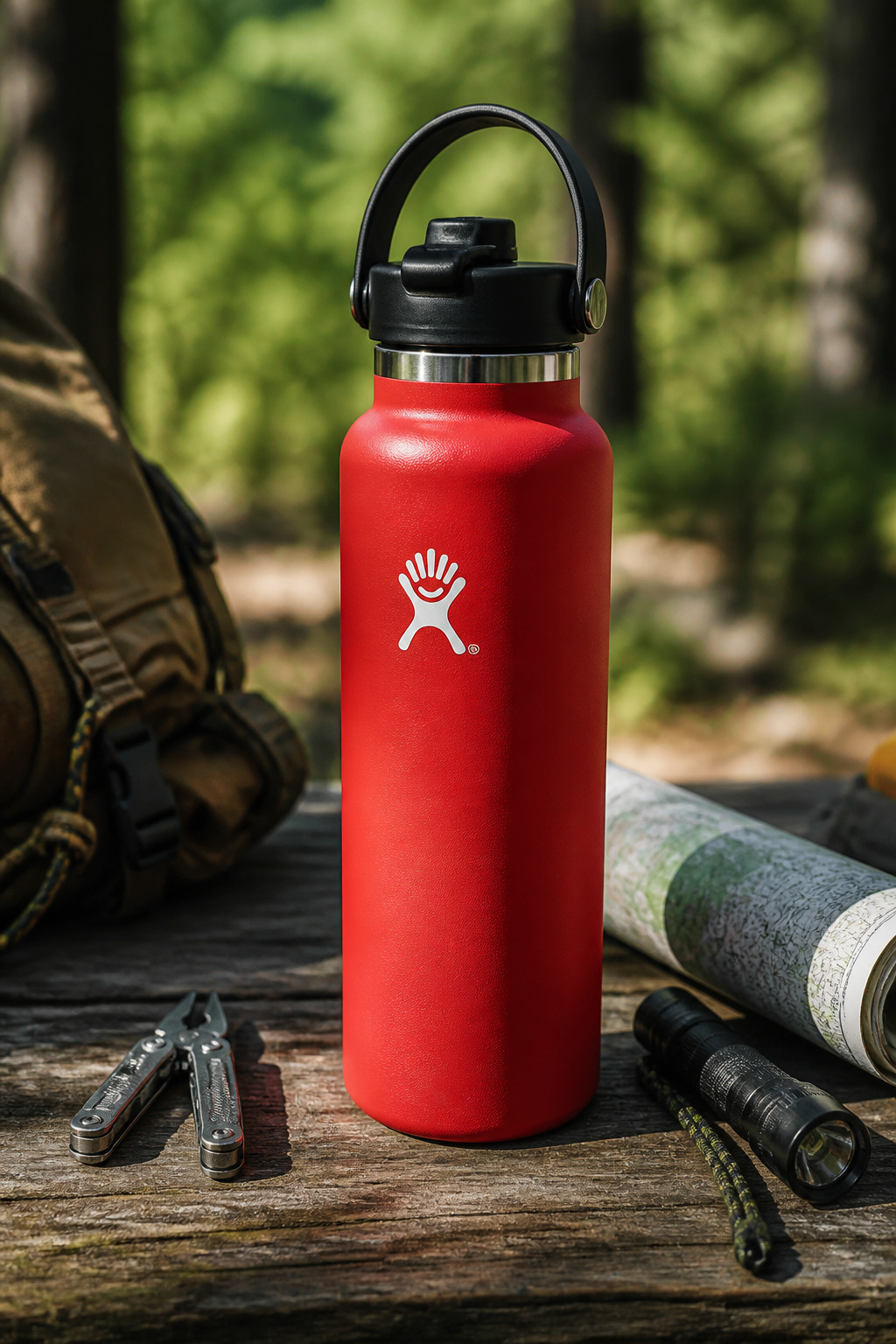
Six sources back the Hydro Flask Wide Mouth at $40, and the insulation is the first thing that shows why. Double-wall vacuum-insulated stainless steel keeps drinks cold up to 24 hours and hot up to 12, with no metallic taste creeping in. The wide mouth matters more than most buyers think: a bottle you can fit a brush into is a bottle that actually gets clean, and the powder-coated exterior doesn’t slip out of wet hands.
The Flex Chug Cap became my preference among the lid options because it covers the drinking surface completely, a small detail that matters on a subway or after a gym session. BPA-free plastic across all caps, and the brand was first to go fully lead-free, which took years and serious money to achieve.
This insulated steel bottle is pleasant to sip from and simple to carry, and it was completely leakproof in our tests.
That leakproof result held across lid swaps, though the silicone ring inside will eventually shift and need attention. Dishwasher-safe by label, but hand-washing is what keeps the coating intact.
Skip this one if weight is your enemy or you refuse to hand-wash. At 24 ounces it runs small for all-day trips, and the 32-ounce upgrade adds even more heft. For a lighter load, the Nalgene Wide-Mouth wins instead.
2. Nalgene Wide-Mouth

The Nalgene Wide-Mouth runs about $17 and shows up on nearly every safest water bottles list despite being Tritan plastic. That is the paradox worth naming outright. BPA-free Tritan Renew copolyester replaces the old polycarbonate, so the hormone-disrupting chemical is gone, but the bottle is still plastic through and through. Some health-focused buyers skip every plastic contact point for this reason, and that is a coherent choice: BPA alternatives like BPS and BPF have raised similar concerns in studies, and heat only accelerates whatever migration might occur.
Visibility of liquid level is where this one wins. You see exactly how much is left without unscrewing anything. The wide mouth fills fast from trailhead pumps, gym bubblers, or airport fountains. It does not insulate, so coffee stays hot roughly zero minutes and summer water goes lukewarm. The lid threads collect grime that needs extra scrubbing.
I keep one in the truck kit because it is cheap enough to lose and tough enough to survive it. For anyone avoiding all plastic, the Black+Blum Explorer Large is the insulated alternative that gets mentioned in the same breath. The Nalgene is for budget buyers who want a proven vessel and can live with the material trade.
3. Yeti Rambler 26

The Yeti Rambler 26 runs about $40 and carries a reputation built on five separate recommendations for durability. Double-walled stainless steel handles hot and cold duty, while the powder coating takes abuse without showing every scuff from daily use. One tester logged five years and three Grand Canyon trips on the same bottle with no failures.
That toughness comes at a cost in ounces. The Rambler sits heavier than comparable insulated bottles, and the wide base rules out most standard cupholders. For anyone counting grams on a trail or needing a bottle that disappears into a bag, this is the wrong pick.
The two-part lid covers the drinking spout and adds a loop handle that feels secure in hand. Leakproof construction means it can roll around a truck cab or gym bag without soaking gear. Skip it if lightness matters more than surviving drops, but for a daily workhorse that outlasts cheaper replacements, the weight tradeoff pays out over time.
4. Owala FreeSip Sway

The $35 price on the Owala FreeSip Sway buys a dual drinking mechanism that five separate reviews have put through its paces. You press the button and choose: sip through the built-in straw, or tilt the bottle back and chug through the wider opening. Both functions live in one molded plastic lid, which is clever engineering and also the safety concern.
More parts mean more crevices. The lid carries an attached latch, a covered mouth opening, a sipping port that extends down into the bottle with a straw, plus the wider gap for chugging. That complexity scores a 5.0 out of 10 on cleaning from the testers who rated it, and even a dishwasher cycle left gunk in the intricate threads and spout. I found myself reaching for a dedicated tiny brush, same as they did.
The BPA-free plastic lid and stainless steel body do block flavor transfer between beverages, though thicker liquids like leftover iced latte milk linger longer than you’d want. For someone who wants the simplest possible design to keep clean, this is not your bottle. The Purist Mover handles hot-and-cold alternation better too. What the Owala gives you is security: a locking flip cap that won’t pop open in your bag, and a straw that lets you hydrate without looking down, which matters on a highway or a trail.
5. Stanley Quencher H2.0 Flowstate

The Stanley Quencher H2.0 Flowstate lists at $45 and comes backed by five sources, yet the lead question stops some buyers cold. Stainless steel tumblers have long used lead solder to bond the base layers, sealed under that small disc on the bottom. Stanley, like most manufacturers until recently, followed this process. The lead sits beneath the disc, not touching your drink or your hand, and it stays put if the disc stays intact.
Hydro Flask figured out lead-free soldering back in 2014. Some brands now offer fully lead-free construction; others still use the sealed-lead method. If sealed-lead assurances do not satisfy you, skip this tumbler and look for a lead-free alternative. The Quencher scores well for drinkability and everyday convenience, with a reusable straw and cupholder compatibility, though it lacks versatility for hot beverages and is not leakproof.
6. Purist Mover

The Purist Mover runs $52 and solves a problem most steel bottles create without admitting it. Water sitting against metal picks up a metallic note over time, and acidic drinks or electrolyte mixes can coax trace metals into solution. This bottle lines its surgical-grade stainless steel interior with unbreakable glass, so liquid never touches metal at all. Taste stays neutral, and the leaching question disappears entirely.
Four separate reviews back the design, though they agree on the catch. The 18-ounce size tested feels cramped for real use, and the lineup climbs from there in price. Universal lids swap between 10-ounce to 32-ounce bodies, so sizing up keeps your investment. The glass layer adds fragility no steel bottle has; drop it hard enough and you are replacing the whole unit, not denting it. Leak testing came back clean across the board, which matters when you are tossing a $52 bottle into a pack.
Skip this one if the premium stings or if your bottles take regular tumbles. The glass-over-steel construction earns its place for anyone who tastes the difference in their water or who wants the inertness of glass without the full breakability of a Purifyou.
7. Purifyou Premium Glass

A glass bottle with zero plastic touching your water is harder to find than the marketing suggests. The Purifyou Premium comes in at $30 and actually delivers on that claim; the stainless-steel-lined lid was the detail that separated it from every other glass option I compared.
The silicone sleeve helps with grip and minor bumps, though it is not armor. One review I noted had the owner watching their kids like a hawk around it. That tracks. Pure glass shatters when gravity wins, and gravity wins often enough that this bottle lives at my desk, never in my truck’s cup holder.
Dishwasher-safe helps, but the narrow mouth means a bottle brush for anything beyond plain water. Sizes run 12 to 40 ounces; the 22-ounce hits a usable middle ground.
Skip this one for commutes, gym bags, or anyone with fumble-prone hands. The taste is the cleanest of any material, and the breakability is the trade you make for that.
8. Takeya Actives Water Bottle

The Takeya Actives earned its spot on three separate recommendation lists, and the spout lid is the reason why. The flip cap locks open so it does not bounce back against your face mid-sip, and when closed it covers the drinking surface completely. That is a small detail until you are walking fast or on a treadmill and the alternative is a plastic cap tapping your nose every other step.
Double-walled stainless steel insulation keeps drinks cold through a workout or a commute. The 24-ounce size runs about $29, with options scaling from 18 ounces up to 64 if you want one bottle for a full day out.
A silicone rubber boot comes standard, so the bottle does not clang on desks or slide off car hoods. The 2.25-inch mouth fits ice and electrolyte powders easily enough, though the spout lid itself is narrower, so cleaning takes a bottle brush. The body is hand-wash recommended even though the lid can go top-rack.
9. Klean Kanteen

Klean Kanteen has been on the market long enough that its name became shorthand for steel bottles before most competitors existed. That longevity matters when you’re weighing which brands actually back their safety claims, because three separate certifications sit behind this one: lead-free construction, recycled stainless steel content, and a 99% plastic-free lid option where the only polymer is a small gasket ring.
The standard lids are plastic, but the swap to a bamboo-and-metal cap turns the bottle into something rare, a fully insulated vessel with almost no synthetic material contacting your drink. One tester noted the metal straw with silicone tip on the TKWide Recycled Insulated avoids the faint plastic aftertaste that shows up in rivals.
Climate-neutral manufacturing is the newer pitch, and the company leans into it hard. For buyers who care more about verified materials than keeping coffee hot for twelve hours, that trade lands squarely in Klean Kanteen’s favor. The insulation works fine for daily use, cup-holder fit is reliable, and the carry loop is a small detail that gets used more than expected. Skip this one if you’re chasing the latest vacuum-sealed performance specs; pick it if you want a bottle that can outlast its own lid and keep the chemistry simple.
10. Pura

Pura caught my attention because two independent certifications back the same bottle, which is rare in this space. The body is 18/8 stainless steel, the same grade used in medical instruments, and every soft part, cap, sleeve, and nipple is medical-grade silicone. No plastic touches the drink, period. The company claims this is the only 100% plastic-free bottle on the market, and the MADE SAFE certification covers third-party testing for over 80,000 toxins including heavy metals, endocrine disruptors, and VOCs.
The line starts with infant bottles and grows up through sippy cups and straw lids into sport bottles for older kids. What convinced me, reading the details, is the modular design: one steel body serves from nursing through elementary school with only the lid changing. That longevity matters when you are buying for safety rather than convenience.
The tradeoff is real. Pura does not offer adult-sized travel tumblers or the wide range of capacities you will find from brands focused on grown-ups. Hand washing is recommended over dishwasher use, which adds daily friction most parents already have too much of. For families already in the thick of bottles and sippy cups, the extra rinse is probably worth the zero-plastic construction. For a single adult wanting one bottle for the commute, this is not the fit.
Materials That Matter

Stainless steel and glass sit at the top of the stack for safest water bottles, and the gap between them and plastic is wider than most shoppers realize.
Steel wins on durability. Food-grade 18/8 or 18/10 stainless takes drops, dings, and the odd tumble without cracking, and it will not react with what you put inside. No metallic taste leaches back into the water, and cleanup is soap, water, and a brush. The catch, and it is a real one, is that some stainless contains trace metals you do not want, and not every brand tests for them. Look for FDA approval or NSF certification on the label; that is your filter.
Glass ranks even cleaner for chemical exposure, though borosilicate handles the knocks better than standard soda-lime. The break risk is obvious, and the weight penalty is real. A silicone sleeve helps, and the lid, usually some form of food-grade polypropylene, only touches the water at the rim.
BPA-free plastic is where the marketing outruns the science. BPS, BPF, and fifty-plus other bisphenol substitutes have emerged faster than safety testing can follow, and they cross the placenta readily. Heat speeds the leach. Microplastics enter the conversation here too: plastic is not chemically tight, and particles can migrate into liquid and even ride dust through the air. For a bottle you refill daily, that uncertainty stacks up fast.
Health Risks From the Wrong Bottle

Plastic bottles carry a chemical load most people never think about until something forces the question. BPA and phthalates sit at the top of that list. BPA shows up more in harder reusable plastics, while phthalates tend to linger in single-use bottles, the kind that soften when you squeeze them. Both mimic hormones in the body, and the research ties them to thyroid interference, lower sperm counts, developmental problems in kids, and endocrine-related cancers. The "BPA-free" label does not close the door; manufacturers swapped in cousins like BPS and BPF faster than safety testing could follow, and early findings suggest some alternatives cross the placenta and hit a developing brain just as hard.
Heat and wear are what turn a stable container into a slow drip of chemistry. Plastic is not tightly bound at the molecular level. Leave a bottle in a hot car, let it sit in sun through a warehouse window, or simply reuse it long enough for the surface to roughen, and the leaching accelerates. One study found roughly 240,000 plastic pieces in a single liter of bottled water, most of them nanoplastics too small to see without specialized equipment. Those particles do not just carry their own risk; they act as carriers for other toxins already in the mix. The smaller the particle, the deeper it travels, and researchers have tracked them through the placental barrier, which makes the stakes different for pregnant women and young children.
Keeping It Clean

A stainless steel bottle only stays among the safest water bottles if you actually wash it. Hot, soapy water and a bottle brush reach the spots where moisture lingers, especially around the mouthpiece and inside the lid. Skip a day or two and bacteria start building biofilm, that slimy layer where they thrive. The water starts tasting off, and eventually you are drinking more than water.
Glass needs gentler treatment. Warm water, not very hot, because sudden temperature swings can chip or crack the surface. A soft bottle brush handles the inside; abrasive or steel sponges etch the glass and create new places for grime to hide. Vinegar and baking soda lift the stubborn stains that soap misses.
The small parts matter most. Straws, flip-up components, and the gaskets inside the lid trap the most bacteria, so disassemble and scrub them nightly. Let everything air dry completely with the lid off before storing in a cabinet, away from direct sunlight that can discolor coatings on stainless steel or the glass itself. A bottle stored damp is a bottle growing something you do not want to drink.
The Waste Problem

Switching to a reusable bottle drops a lot of plastic out of your weekly routine. The average person who relies on single-use bottles goes through about 167 disposable containers per year, and most of that material ends up in landfills or waterways where it fragments into microplastics. Those particles eventually cycle back into drinking water and food supplies, so the environmental loop and the personal health loop turn out to be the same loop.
The frustration is that not every reusable bottle solves the problem. Some stainless steel bottles from popular brands come completely lined with plastic, which defeats the purpose if you are trying to minimize exposure. Glass bottles eliminate that concern entirely, and borosilicate glass holds up better to temperature shifts than standard soda-calcium glass. A silicone sleeve helps with grip and impact, and food-grade polypropylene lids with silicone seals keep contact minimal.
What convinced me, reading through the options, is that the safest bottle for your body is usually the safest choice for the waste stream too. No plastic lining means no plastic shedding into your drink and no plastic layer to degrade and replace. Lead-free certification and third-party lab testing matter for the material itself, but picking a bottle you will actually carry every day matters for keeping disposables out of the system.
Frequently Asked Questions
What is the healthiest material for water bottles?
Glass sits at the top for chemical safety because it does not leach anything into your drink. Borosilicate glass handles temperature shifts better than standard soda-lime glass, and a silicone sleeve helps with grip and minor bumps. Stainless steel ranks second for daily use: food-grade 18/8 or 18/10 resists corrosion and dents, though you want lead-free construction backed by FDA or NSF certification.
Are stainless steel water bottles safe?
Yes, if you buy food-grade and lead-free. The article flags that some stainless steel bottles, especially from certain overseas manufacturers, have tested high for lead, and even premium brands have faced scrutiny. Hydro Flask pioneered a lead-free sealing process back in 2012, and Klean Kanteen carries third-party certifications for lead-free construction. Check for FDA approval or NSF certification on the label before buying.
What are the risks of using plastic water bottles?
Heat and wear turn plastic into a slow source of chemical migration. BPA-free labels do not solve the problem; manufacturers swapped in BPS, BPF, and other bisphenol substitutes faster than safety testing could follow, and early research suggests some cross the placenta and affect developing brains. One study found roughly 240,000 plastic particles in a single liter of bottled water, most of them nanoplastics small enough to travel deep into the body and carry other toxins with them.