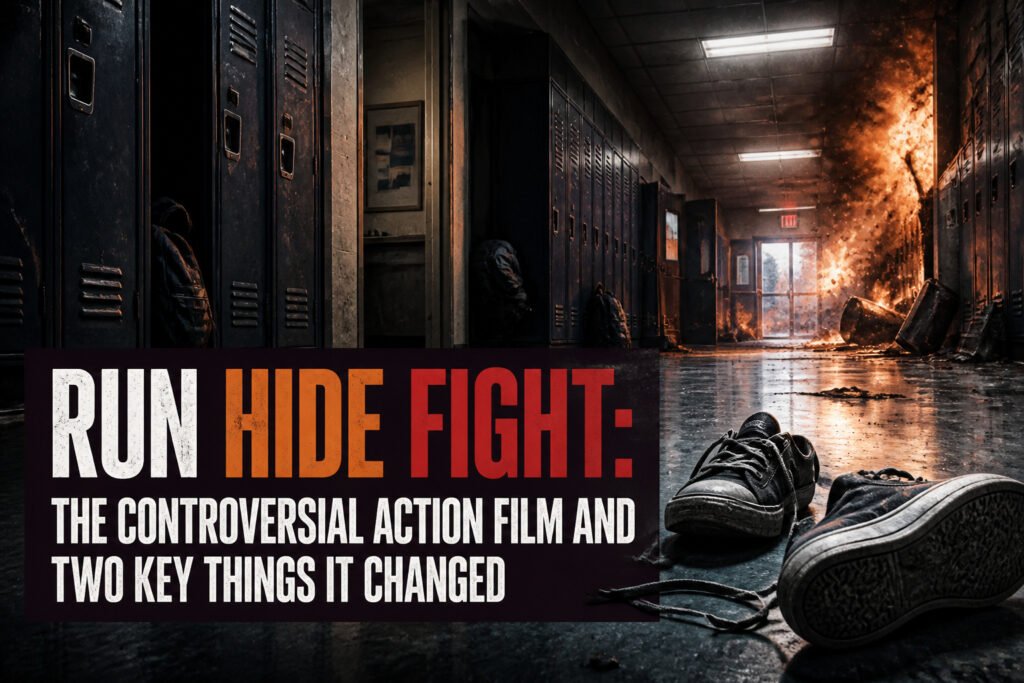
Run Hide Fight is the Department of Homeland Security’s protocol for surviving an active shooter situation: run first, hide second, fight last. Most people fixate on the third option, but the protocol fails the moment someone hesitates on the first. The 2020 film of the same name, made for $1.5 million and panned by critics at 30% on Rotten Tomatoes, grafted that adult framework onto a high school shooting and proved unexpectedly divisive.
Run
The first move in an active shooter situation is the one most people get wrong by hesitating. Leave your belongings behind. Every second spent grabbing a bag or a phone is distance you are not putting between yourself and the threat.
An accessible escape path means one that is actually clear, not one you hope might be clear. The plan matters less than the willingness to move before the full picture arrives. If others freeze, evacuate regardless of whether they follow. A group that will not move becomes its own hazard.
Helping others escape is worth the risk only if the help costs seconds, not minutes. The harder call is keeping others from entering the danger area; instinct is to warn, but shouting draws attention you may not want.
Hands stay visible when law enforcement appears. Officers arriving on scene are sorting threats from victims in milliseconds, and anything in your hands or hidden under a coat adds to that calculation. Follow instructions exactly, even if they contradict your own read of the situation. Do not attempt to move wounded people; the training is clear on this, and the reasons become obvious once you imagine trying to carry someone while running.
Call 911 only when safe. The call itself is not the priority; distance is.
Hide
Evacuation is not always an option. The second stage of run hide fight is about buying time when the exit is blocked or the shooter is between you and the door.
A hiding place needs two qualities: it must put you out of the shooter’s view, and it must give you actual protection if shots come your way. An office with a closed, locked door beats a closet with thin walls. Position matters too. A space that traps you with no other way out turns a hide into a dead end.
Lock the door. Block it with heavy furniture if you can. Silence your phone completely, not just vibrate, and kill any noise source like a radio or television. Hide behind something solid, a cabinet or desk, and stay quiet. If the shooter is nearby, the smallest sound, a phone buzz, a chair creak, can end the hiding.
When hiding is not possible either, the last fallback is to remain calm, dial 911 if you can, and leave the line open so the dispatcher hears what is happening even if you cannot speak.
Fight
Fight only when the first two options are gone and your life is in imminent danger. That is the line the Department of Homeland Security draws, and it is a hard one. Aggression becomes the tool, not courage. Throw anything within reach. Improvise weapons from office chairs, fire extinguishers, the coffee mug still half-full on a desk. Yell, not to warn anyone, but to startle, to confuse, to break the shooter’s focus for the half-second that might matter.
Committing to the action matters more than the action itself. Half measures get people hurt. Students in a classroom will likely follow the lead of whoever moves first, faculty or not, so the commitment has to be total once it starts. There is no testing the water.
The 2020 film Run Hide Fight took this stage and made it visceral in ways training slides do not. A student protagonist, cornered, uses the same improvised violence the protocol describes. The movie treated the "fight" stage as survivable, not heroic, which changed how some viewers understood the instruction. Where older materials implied fighting meant certain injury, the film showed it as a last-resort calculation with a chance of working. That reframing stuck with audiences who had only ever seen the phrase on hallway posters.
What the Film Changed
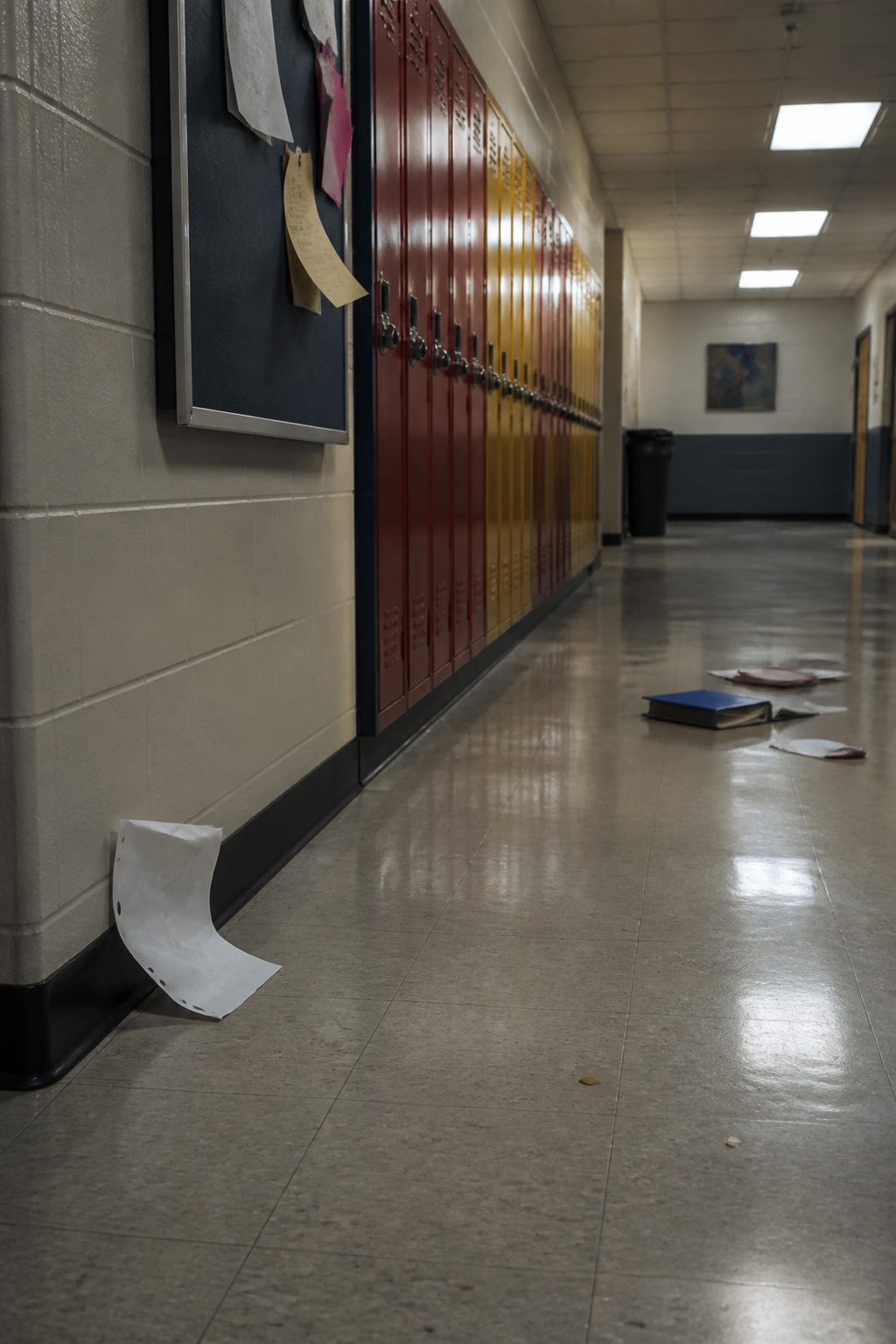
Kyle Rankin’s Run Hide Fight premiered at Venice on September 10, 2020, then landed stateside through The Daily Wire on January 14, 2021, with a $1.5 million budget and a 30% Tomatometer score that critics hammered while audiences pushed the Popcornmeter to 93%. The film puts Isabel May’s Zoe Hull, a grieving senior, through a school shooting where four gunmen turn senior prank day into a livestreamed siege. Her father, played by Thomas Jane, and Radha Mitchell as her deceased mother frame the backstory; Eli Brown leads the attackers as Tristan.
What Rankin changed was the procedure itself. The Department of Homeland Security’s "Run. Hide. Fight." protocol was built for adults in offices, retail spaces, public venues. Here it gets grafted onto a high school, and the film forces Zoe through each option in sequence: running fails when corridors are blocked, hiding collapses when shooters check classrooms, leaving fight as the last resort but now executed by a seventeen-year-old with hunting skills rather than a trained responder. The transfer is clumsy in places. The 109-minute runtime drags through setups that feel procedural, and the moral pivot where Zoe chooses rescue over escape plays more like genre requirement than earned decision. Still, the relocation mattered. Before this, no feature had treated the active-shooter framework as narrative spine for a teen protagonist. The sequel, Run Hide Fight: Infidels, is slated for September 2026, which suggests someone saw commercial life in the approach even if critics didn’t.
Why Critics Hated It
Critical scores landed low from the start: 30% on Rotten Tomatoes from 20 reviews, averaging 5.20 out of 10, and 13 out of 100 on Metacritic from six critics, a number that translates to "overwhelming dislike." The gap between critics and audiences showed up immediately. Where reviewers saw exploitation, enough viewers found something else to push the film toward a different kind of life on VOD.
The language from critics was unusually direct. Jonathan Romney called it "fundamentally tasteless." Guy Lodge at Variety wrote "a grab for attention by peddling an ambiguous line on gun control and eye-for-an-eye morality" and found the direction "merely pedestrian." David Ehrlich at IndieWire went with "glib, artless, and reprehensibly stupid." Robbie Collin, comparing the shooter ringleader to the Joker, noted the film "makes no attempt to grapple with the American school shooting as a nihilistic cultural phenomenon."
Even as an immersive, sensation-based work, it’s quick to give in to gung-ho action theatrics.
— Variety
That tension, between the subject’s gravity and the film’s impulse toward action spectacle, is what split critics from the audience that eventually found it. Some viewers wanted the thrills and accepted the trade; reviewers could not.
How the Film Was Made
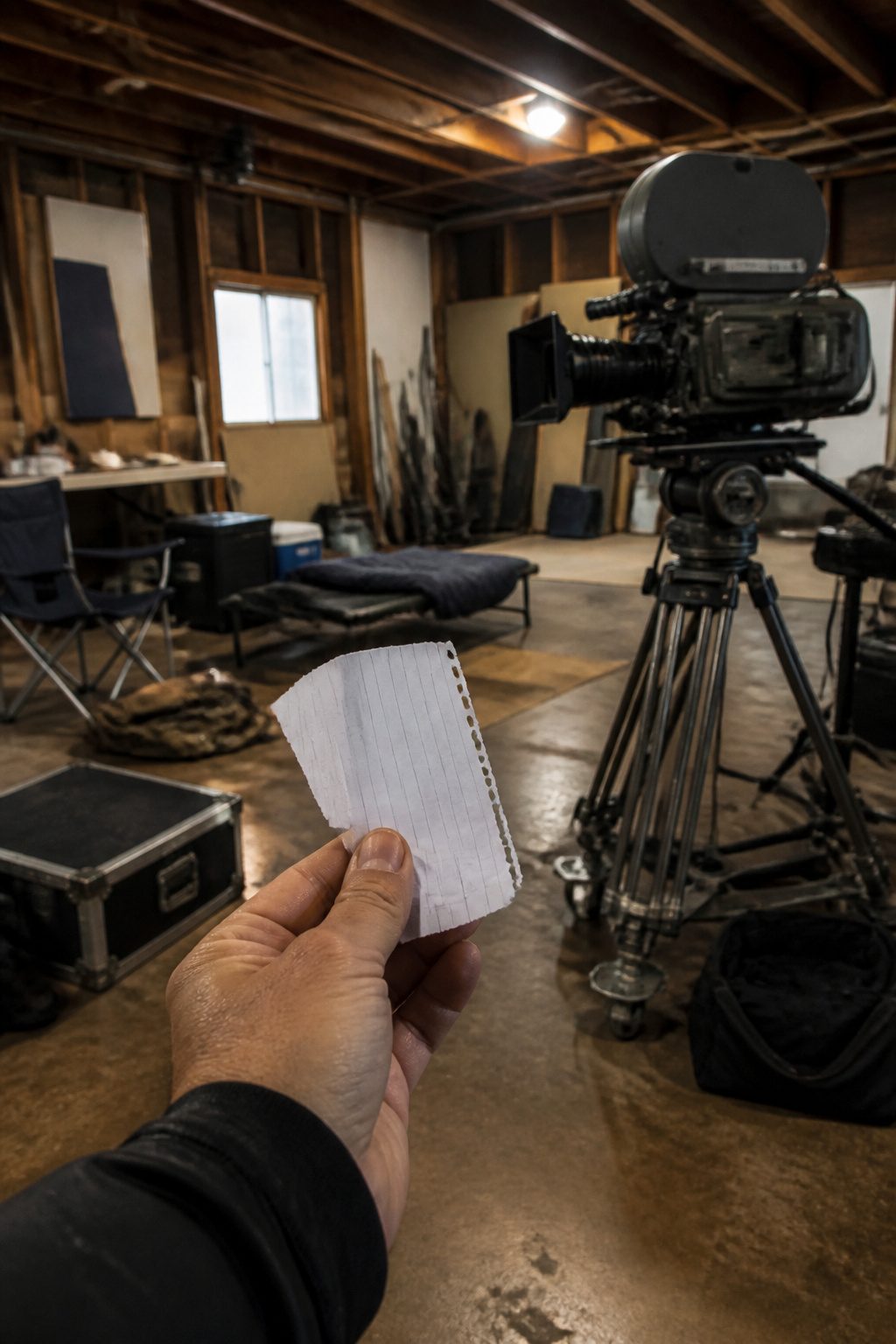
The Daily Wire put $1.5 million on the table for Run Hide Fight, a sum that would barely cover the catering on a studio action picture. Director Kyle Rankin shot the whole thing in Red Oak, Texas across five weeks, working with a cast that included Thomas Jane, Radha Mitchell, Isabel May, and Treat Williams. That compressed schedule and tight budget show in every frame. There is no room for spectacle, so the film stays locked inside a single school building and keeps the violence blunt rather than choreographed. Rankin wrote the screenplay himself, and the production moved fast enough that SAG-AFTRA later had to review whether an opening deer-hunt sequence, which used actual footage of a kill, violated any performer protections. The guild found none, noting the hunter would have taken the shot regardless. The lean production context matters because it forced choices that bigger films avoid. There is no sweeping political speech, no national news coverage cutting away from the crisis. The camera simply stays with the students in the building, which makes the "run hide fight" framework feel like improvised survival rather than a packaged doctrine.
The Sequel Nobody Asked For

Jonathan Majors shooting a film for The Daily Wire in February 2026 sounded, at first, like any other casting notice. Then the title landed: Run Hide Fight: Infidels, a standalone sequel scheduled for September 2026 release. The original film already felt like a closed circuit, a 2020 release so wrapped in its own controversy that a follow-up seemed unnecessary. Kyle Rankin returns as writer-director, this time with a premise pitched in the vein of Red Dawn and Toy Soldiers, which shifts the action from a high school to what reads like broader paramilitary territory. The Daily Wire producing again means the same distribution path, the same built-in audience, and presumably the same critics circling the same questions. What surprises is not that the franchise continues but that it is doing so as a franchise at all, a label nobody applied to the first film until the second one arrived.
Frequently Asked Questions
What is the "Run Hide Fight" procedure?
Run Hide Fight is a Department of Homeland Security protocol for active shooter situations: run to safety if you can, hide and barricade if you cannot escape, and fight back only as a last resort when your life is in imminent danger. The procedure was designed for adults in offices and public spaces, not originally for school settings. Each stage requires quick decision-making without waiting for complete information.
What is the plot of the film Run Hide Fight?
The 2020 film follows Zoe Hull, a grieving high school senior played by Isabel May, during a school shooting where four gunmen turn senior prank day into a livestreamed siege. Director Kyle Rankin structured the narrative around the actual protocol, forcing Zoe through each stage in sequence as running fails and hiding collapses. The cast includes Thomas Jane as her father and Eli Brown as the lead attacker Tristan.
How was Run Hide Fight received by critics?
Critics widely panned the film, giving it a 30% Tomatometer score from 20 reviews and a 13 out of 100 on Metacritic. Reviewers called it "fundamentally tasteless," "glib, artless, and reprehensibly stupid," and criticized its handling of school shootings as action spectacle. Audiences disagreed sharply, pushing the Popcornmeter to 93% and giving the film commercial life on VOD despite the critical reception.