Survival priorities are the hard sequence of decisions that keep you alive when everything feels urgent at once. The trap is that hunger and thirst feel immediate, while hypothermia builds quietly: three hours without shelter in extreme conditions can kill you, but three weeks without food only makes you weaker while you fix the other things. I learned that in a November sleet storm in the Bitterroots, when I kept walking toward a creek while my core temperature dropped enough that I spent twenty minutes shivering inside a space blanket before I could think clearly about water.
Shelter
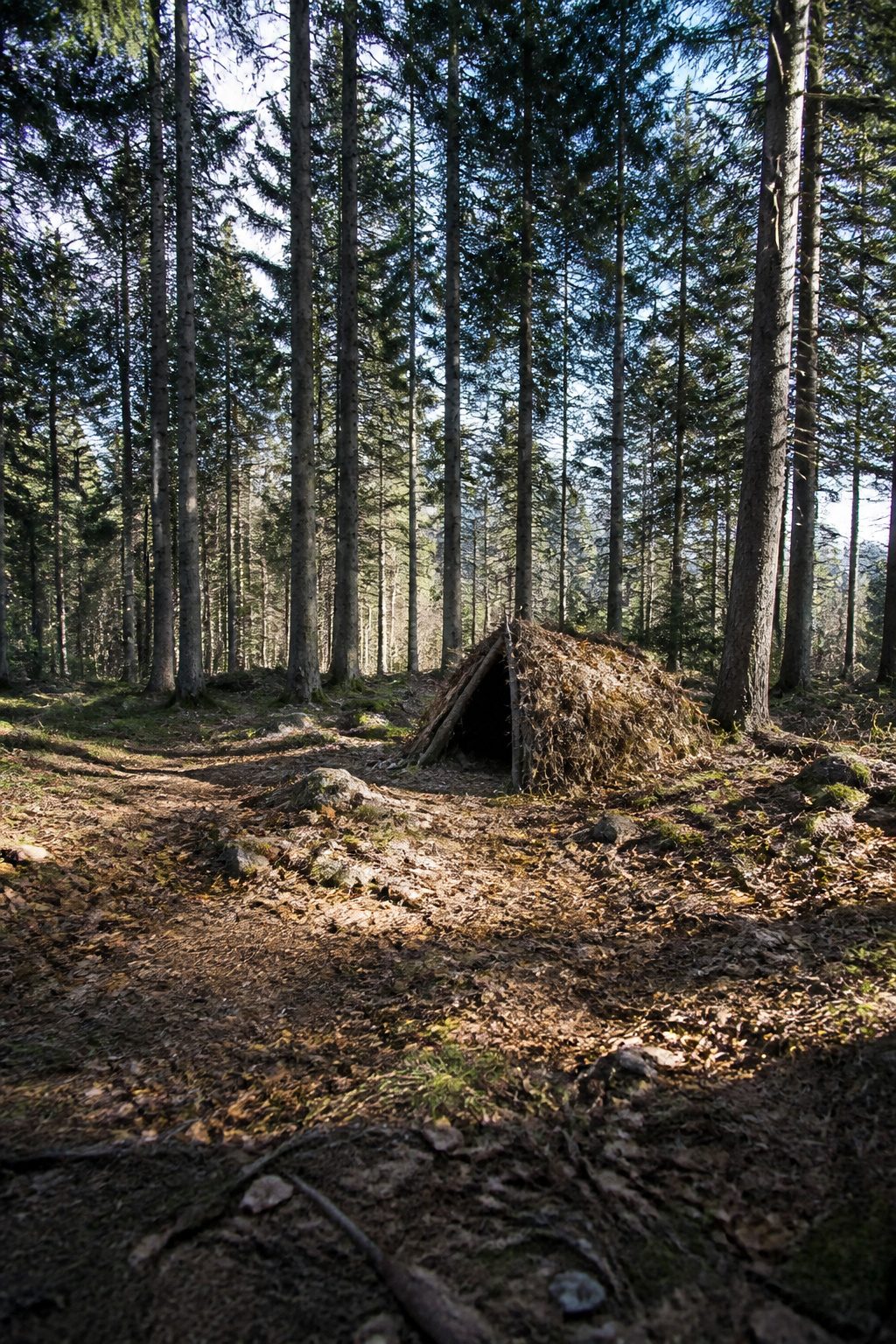
Hypothermia kills more people outdoors in the United States than anything else, and it can set in at temperatures as high as 50 degrees when wind and moisture join the mix. That reality is what puts shelter at the top of survival priorities: the Rule of Threes gives you roughly three hours without shelter in extreme conditions before exposure becomes life-threatening.
Body temperature stays stable through a narrow balance. You lose heat six ways: radiation, convection, evaporation from sweat, conduction through contact with cold ground, breathing, and even drinking cold water. A shelter’s job is to block as many of those paths as possible with the least expenditure of time and calories.
The simplest structures often work best. A lean-to breaks wind and precipitation. A debris hut, piled thick with fallen leaves or dead grasses that the season provides, traps air and insulates from the ground. Location matters as much as the structure itself: avoid drainages, dead stands overhead, and rock faces that shed cold. Face the opening southward when you can, to catch what sun there is.
I have built debris huts that held body heat through nights below freezing and spent other nights shivering in better-looking shelters that sat in a wind channel or on damp ground. The difference was rarely the roof; it was where I put it.
Water
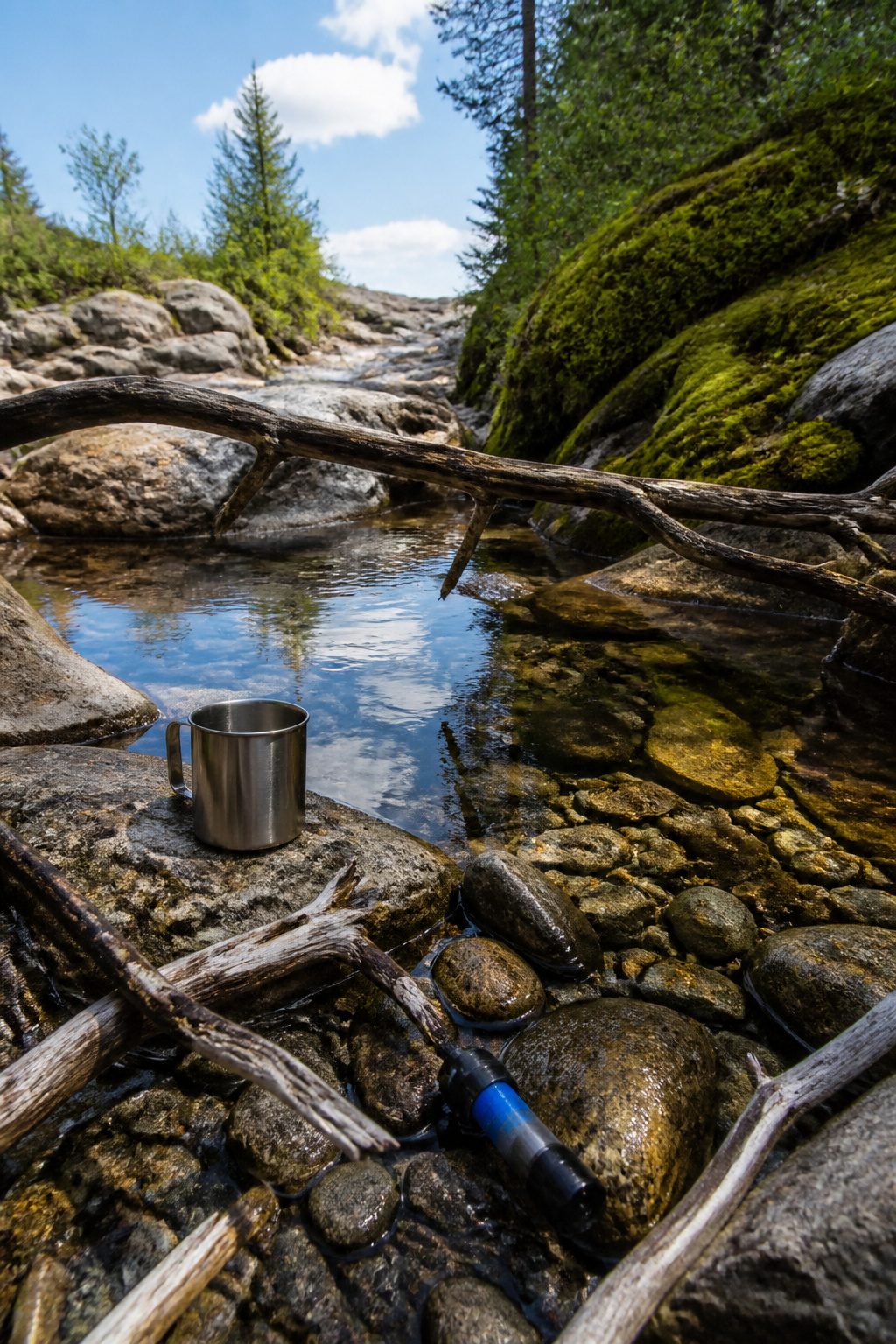
Water sits second in the survival priorities, right behind shelter and well ahead of food. The Rule of Threes puts the limit at three days without water, though heat, exertion, or altitude can shrink that to hours. Dehydration clouds judgment first; by the time confusion sets in, bad decisions multiply fast.
"Think in threes," says Bear. "You can live for three hours without decent protection from heat or cold, three days without water, and three weeks without food."
— Outdoors
That middle number is the one that gets people. Three days sounds generous until you are sweating out what you brought.
Finding water is only half the task. A stream running clear over granite in the Sierras once looked clean enough to my eye; I filtered it anyway and watched the ceramic element clog with silt I had not seen. Now the kit carries a Sawyer Mini, chlorine dioxide tablets as backup, and a metal cup for boiling. Boiling works when you have fire and time: one minute at a rolling boil, or three if you are above 6,500 feet. Tablets weigh nothing but taste like a swimming pool and need four hours against cryptosporidium. Filters handle the particulates viruses slip through, so pairing methods beats trusting either alone. The real gear in my pack is redundancy, because water that looks clean and water that is clean are two different things.
Fire
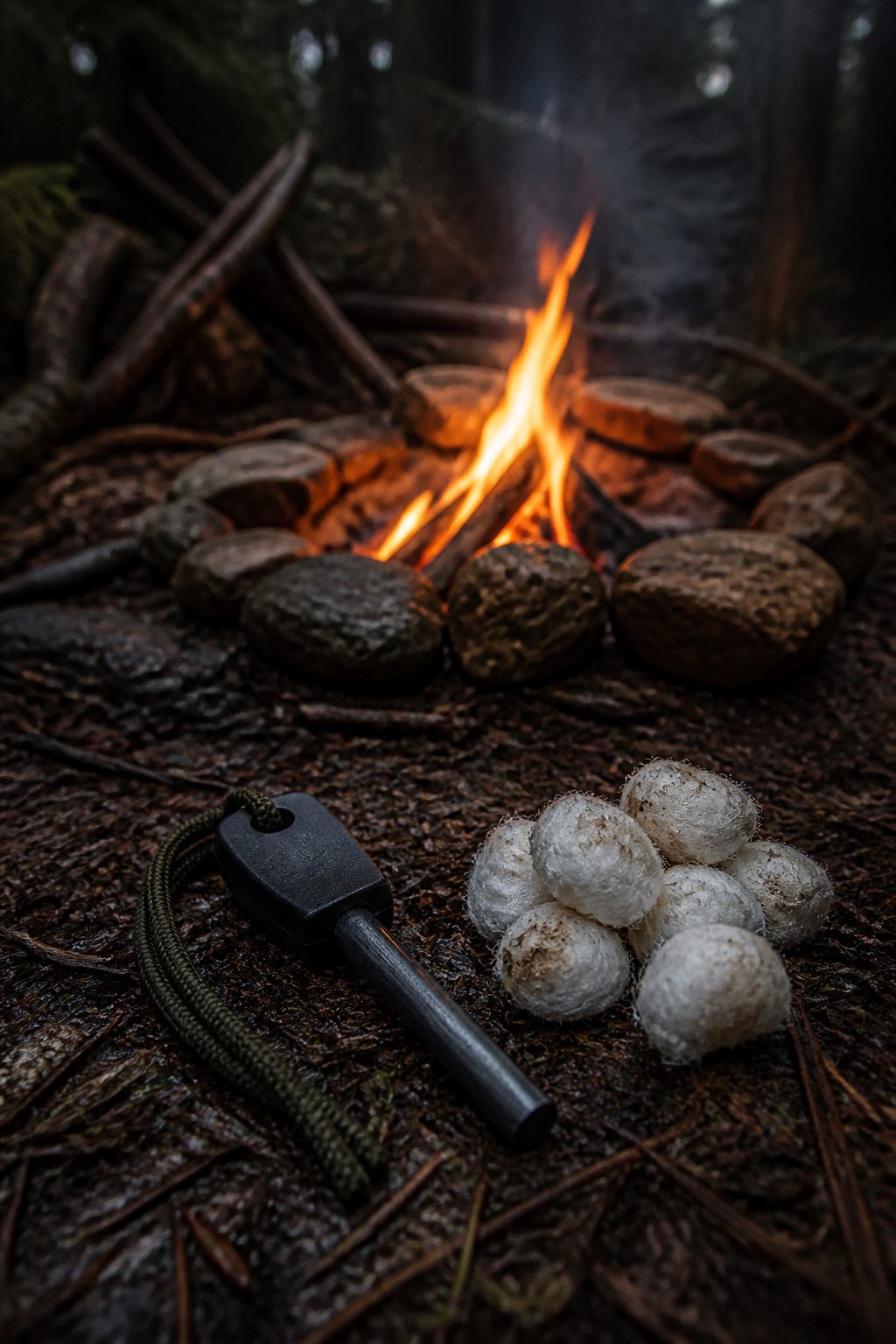
A single match in a wet forest taught me the hierarchy of fire starting the hard way. Carry three independent methods or accept that warmth, clean water, and rescue signaling may all fail together.
Dry conditions forgive laziness. Wet conditions expose it. In rain, the inner wood of fallen trees and the sheltered undersides of thick bushes yield tinder that surface gathering never will. Carving through wet outer layers to reach drier core wood takes time but separates those who sleep warm from those who don’t.
Water purification by boiling only works when the fire stays lit. Rainwater collected from a tarp or tent runoff is generally safer than stream water, yet boiling remains the reliable backstop. The same flame that sterilizes water also builds the smoke column that search teams scan for.
Smoke signals carry for miles when the contrast matters: a single dense column means one thing to trained spotters, while three of anything, whistles included, signals distress. A mirror catching sun can reach aircraft when smoke would be invisible against dark terrain.
The mistake is assuming redundancy means two lighters from the same pocket. A lighter, windproof matches, and a magnesium starter spread across pack and person cover the real risk: loss, soaking, or mechanical failure at the worst moment.
Food
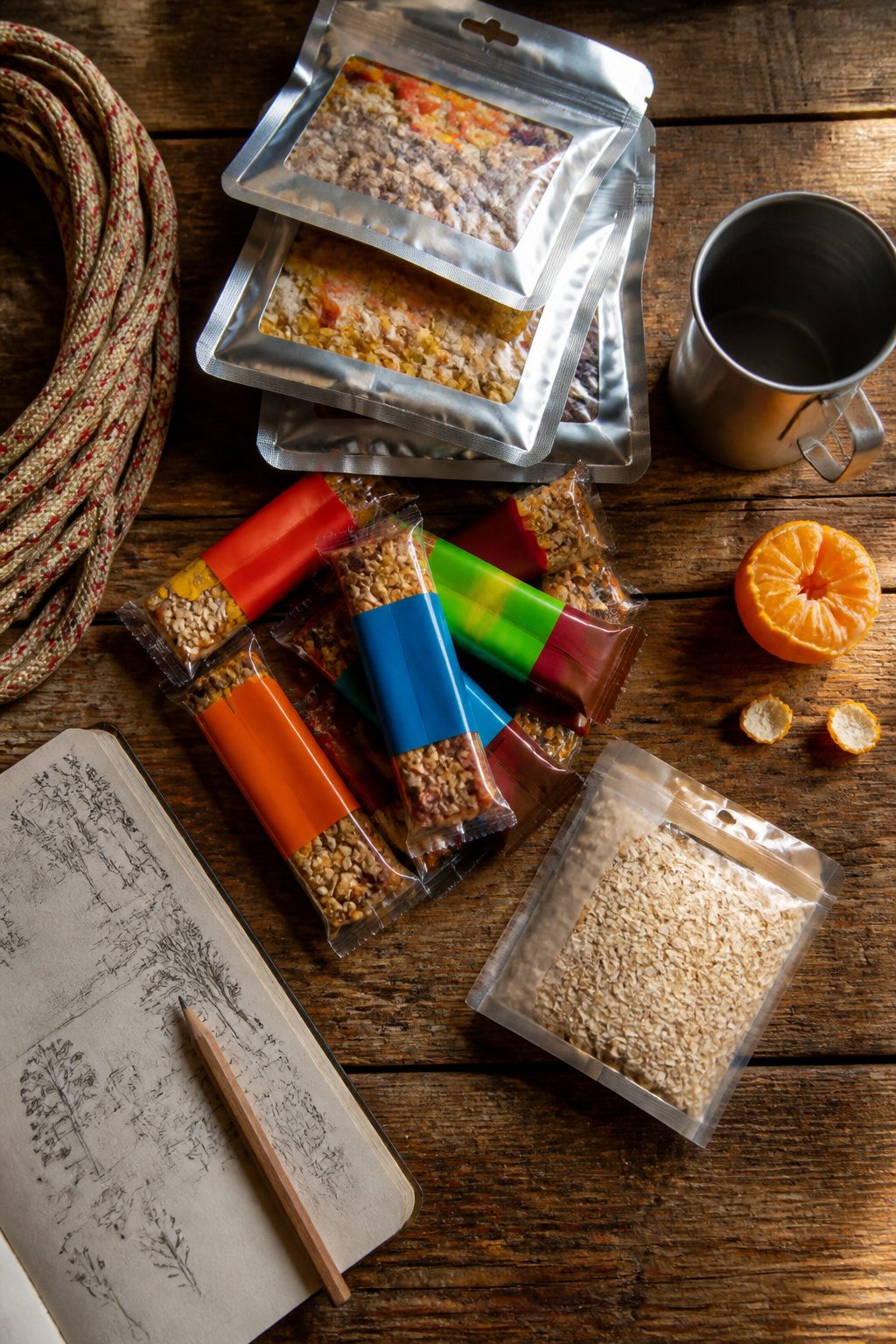
Food sits at the bottom of the Rule of Threes for a reason: three weeks without it is the standard figure, and in a short-term survival situation that buffer changes how you think. The calories matter less than the headspace. I have gone two full days on nothing but water during an unplanned stop in rough terrain, and the hunger was real, but the bigger problem was the fog that settled in by hour thirty-six. Decision-making slowed. Small tasks felt heavy.
What I carry reflects that psychology more than any nutrition calculation. A freeze-dried pouch or two, a handful of energy bars, maybe a packet of instant oatmeal. The total weight stays under a pound because the priority is elsewhere. But if conditions let me heat water and eat something warm, the shift is immediate. Morale recovers faster than blood sugar. The body was never in true danger; the mind just needed the signal that someone was still in charge.
Unless food presents itself easily, the energy spent hunting or foraging usually costs more than it returns. Rest conserves what you already have. Easy calories, though, are worth taking. Berries you recognize, a grouse that practically walks into camp, insects if you have crossed that mental line in training. The rule is simple: do not let the search for food pull you away from shelter, water, or signaling. Digestion itself demands water you may not have.
For me, the slender build mentioned in the sources tracks. I feel the drop quickly when exertion runs on empty. So the bars go in every kit, even though logic says three weeks. The logic is right about survival. The body is less sure about cooperation.
Signaling
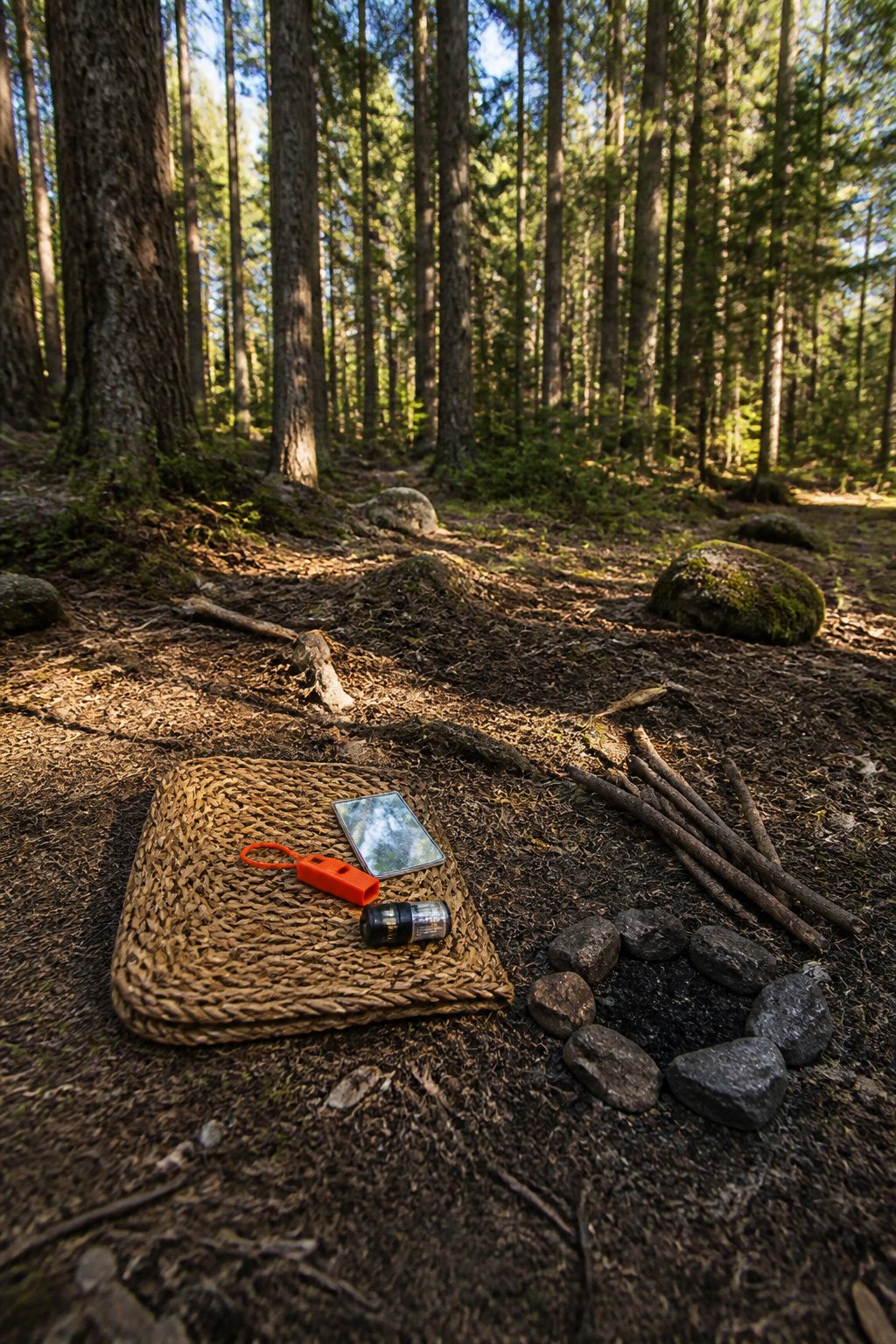
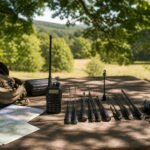
A whistle carries farther than a human voice and never tires the lungs. Three sharp blasts, repeated at intervals, is the universal distress pattern, and the mistake most people make is blowing once and waiting. Rescuers need that rhythm to know it is intentional, not a bird or a gust of wind.
Smoke works differently depending on terrain. In open country, a single column rises visible for miles. Under forest canopy, it spreads and thins; the same fire that announces you on a ridge gets swallowed by Douglas fir branches. A signal mirror reaches 6–10 miles ground-to-air in clear conditions, but only if the sun is out and the operator keeps the flashes moving. A mini flashlight or chem light swung on paracord fills the gap after dark, when smoke and mirrors both go blind.
The real failure is signaling like a checkmark instead of a system. One blast, one flash, one smoke puff, then sitting back to hope. What gets found is the pattern that proves a person is making it.
First Aid
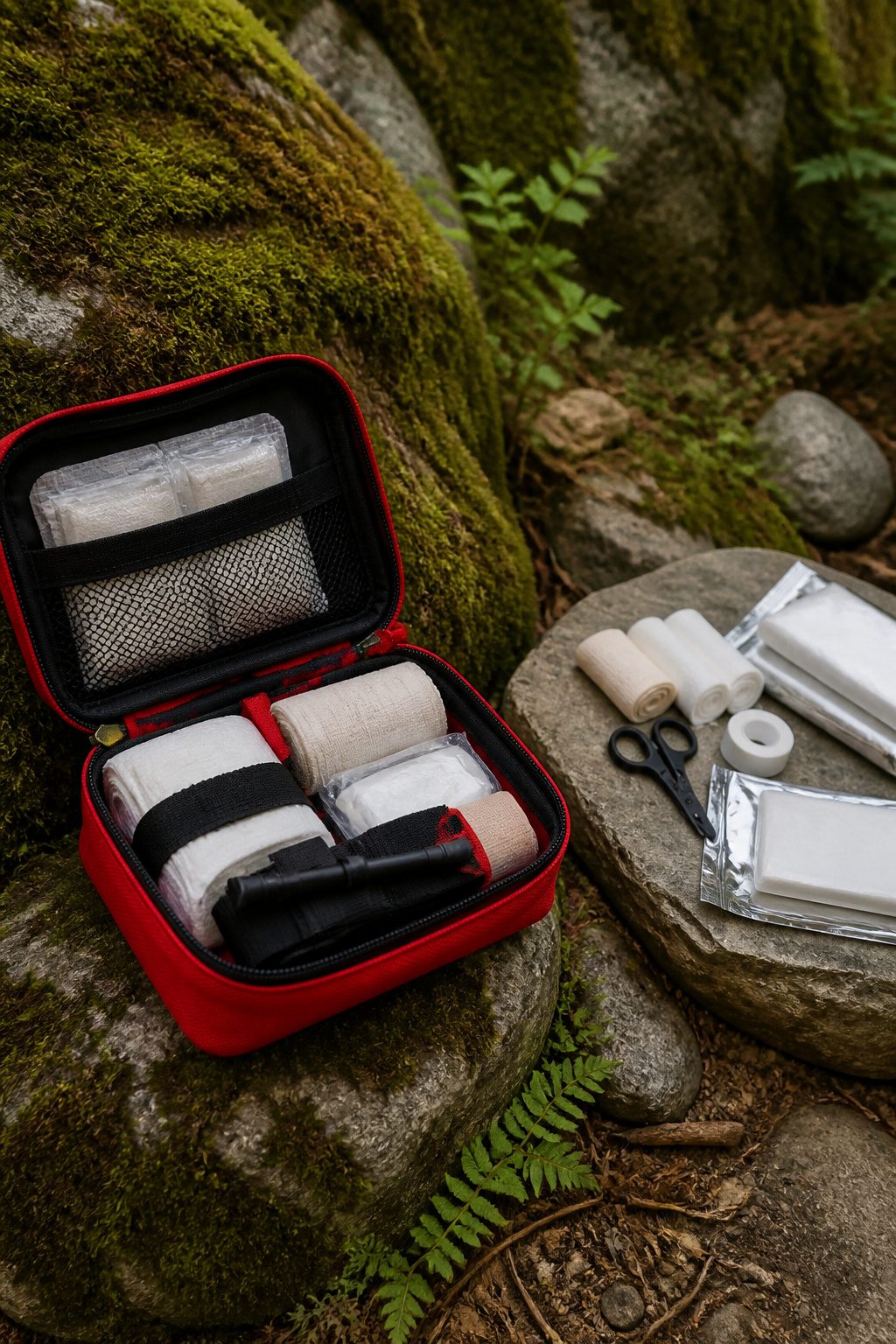
Severe bleeding turns a bad afternoon into a fatal one in roughly three minutes. That figure is what made me stop carrying the bulky household kit and build something that actually fits a hip pack. Pressure works first: knee into the wound, both hands if needed, fabric wadded hard against the source. A tourniquet goes above the injury only when pressure fails or a limb is half gone, and the clock starts then. You have about three minutes to stop arterial bleeding before it stops you.
Shock follows blood loss like a shadow. Warmth, stillness, legs elevated if the spine is clear. I have stood over someone who looked fine and watched the color drain from his face while his pulse raced to compensate. The body lies well. Check again in five minutes, then five more.
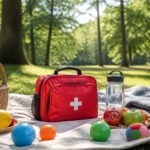
Infection kills slower but just as dead. A sliced palm on a tent stake, a thorn deep in a thumb: the antibiotics in my kit are for when the skin goes red and hot two days from a road. The compact version holds gauze, a real tourniquet, QuikClot or a similar hemostatic pad, chest seals, and a few doses of broad-spectrum antibiotics. Nothing else fits, and nothing else matters first.
Mental Attitude
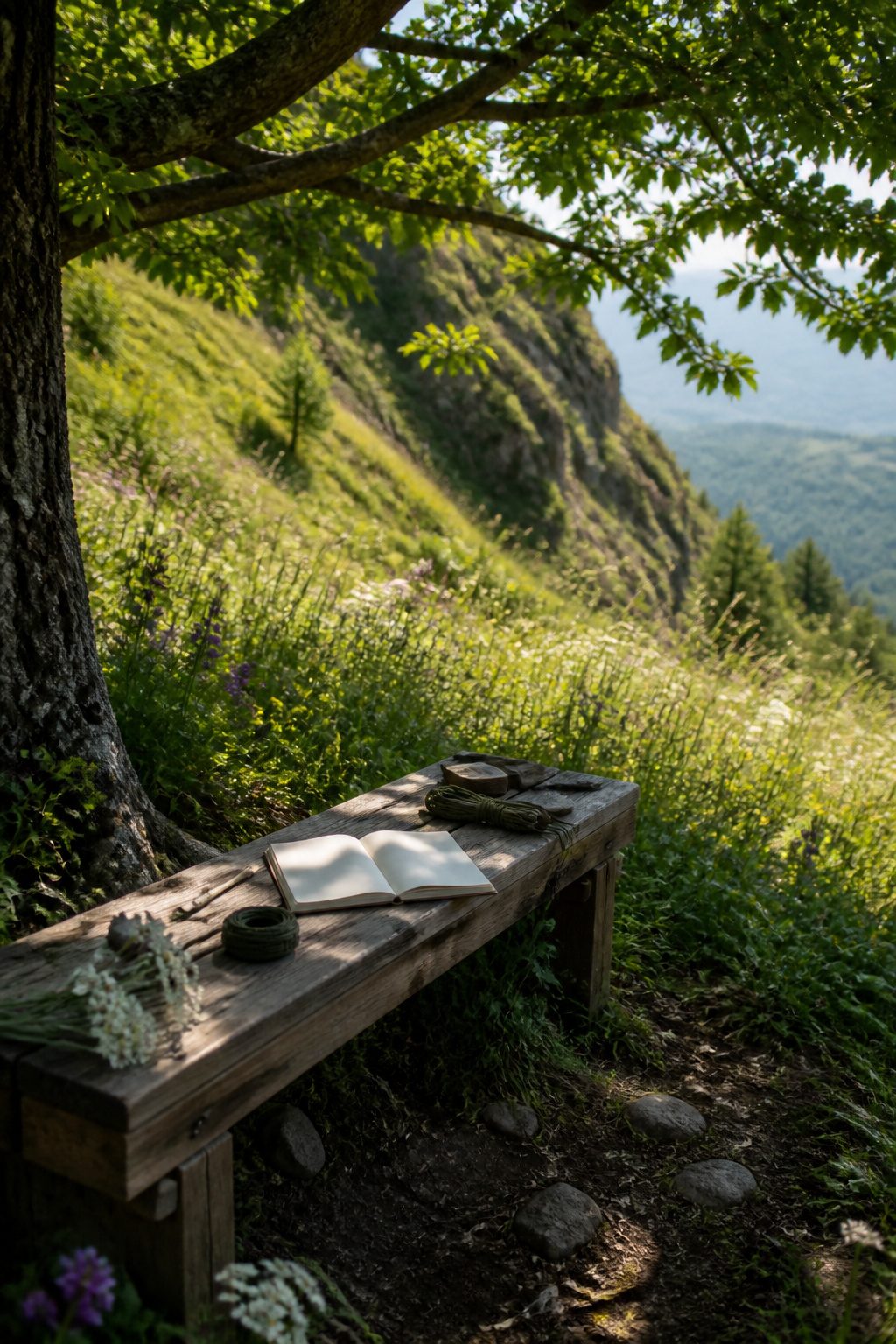
The mind goes before the body. Three months without human contact is the rough ceiling before isolation starts to unravel reality itself. I’ve watched that clock tick in people who thought they were mentally tough.
Routine is what bridges the gap. Small, stupid tasks: naming a landmark, tracking the sun’s path across one rock face, talking out loud to nobody. Sounds like madness, but it keeps madness out. The people who break are the ones who stop moving, stop deciding, stop marking time. They sit and wait, and waiting becomes its own kind of dying.
Social connection doesn’t need another person present. A journal works. Imagining conversations works. What breaks people is the absence of any simulation of relationship with anything, human or otherwise. The ones who stayed functional built tiny relationships: with a squirrel that returned each morning, with the sound of water hitting a particular stone. It sounds thin, but the alternative is thinner.
Signal devices matter partly for rescue, partly for this. A whistle is hope made audible. Letting someone know your plan before you leave is the same thing: proof you exist in a network that will notice. The will to live isn’t abstract grit. It is the accumulated weight of small commitments made to small things, maintained hour by hour.
The Rule of Threes
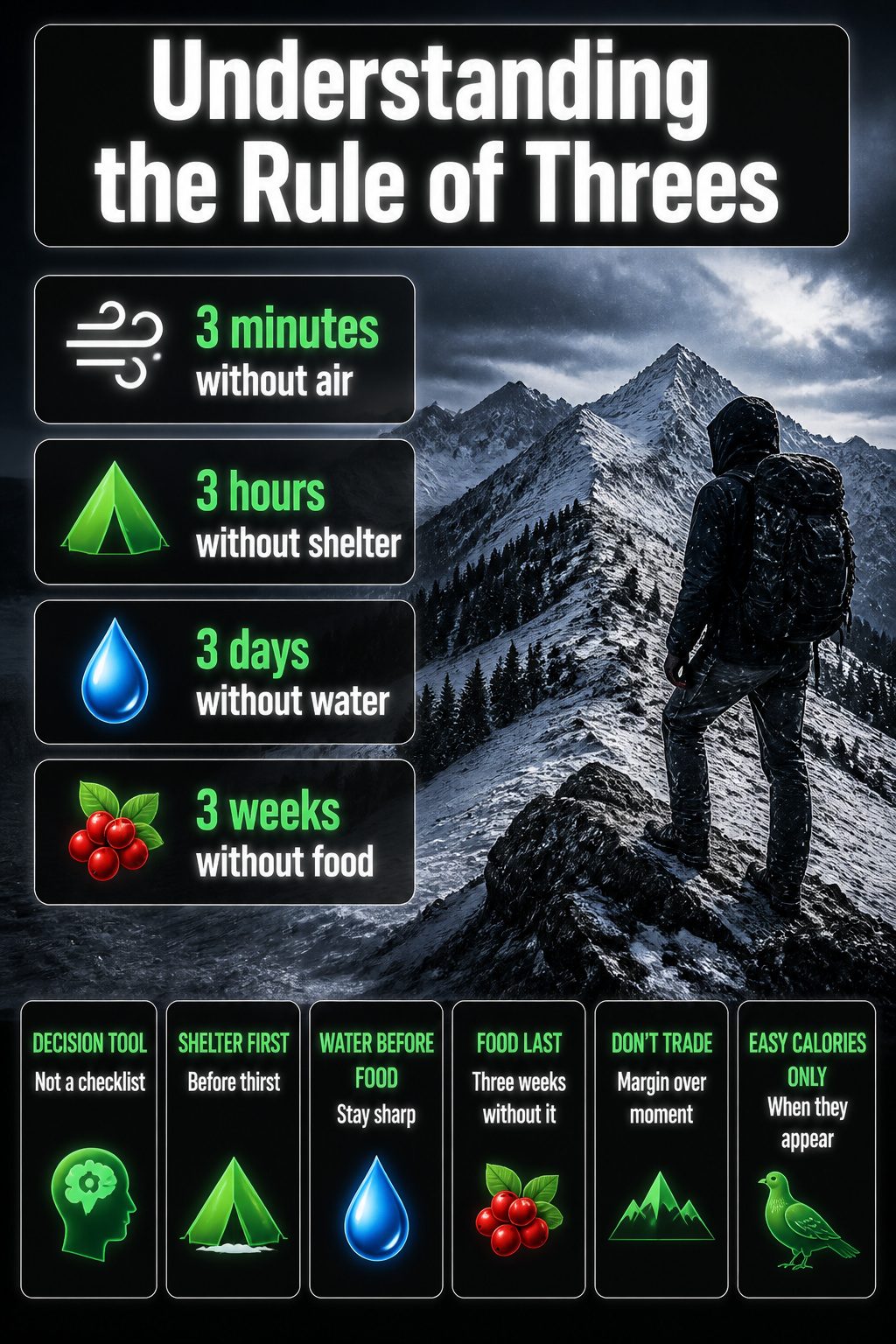
The Rule of Threes gives survival priorities a hard sequence: three minutes without air, three hours without shelter in extreme conditions, three days without water, three weeks without food. Some add three seconds without hope and three months without human contact, but the four core rules are what keep you alive when everything feels urgent at once.
I learned the hard way that the rule is a decision tool, not a checklist to race through. A few years back, I spent a cold November afternoon tracking a ridge in the Bitterroots. The wind picked up, sleet started, and I kept moving because I was thirsty and fixated on reaching a creek two miles ahead. By the time I stopped, my hands were stiff and my core temperature had dropped enough that I spent twenty minutes shivering inside a space blanket before I could think clearly about water. The shelter should have come first. The creek was still there two hours later; my margin for error was not.
Food lands last for a reason. Your body can go three weeks without it, and the energy you burn foraging or hunting usually costs more than it gains unless you already know exactly what you’re doing. Easy calories, like berries or a grouse, are worth taking when they appear. Letting the search for food pull you away from shelter or water is where the rule breaks down.
What a Compact Kit Holds
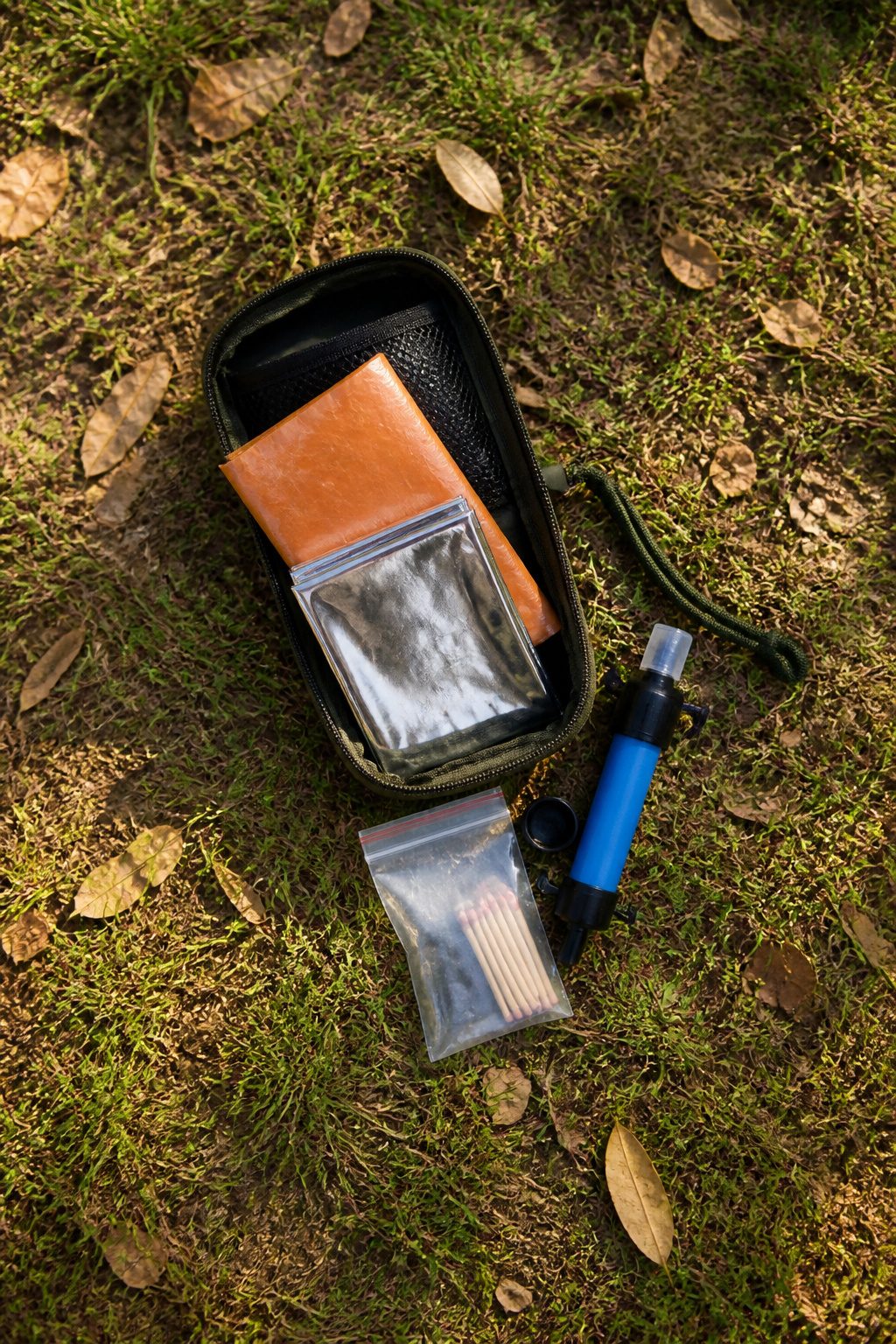
Compact gear only works if it actually covers the three survival priorities: shelter, fire, and water. My kit has shrunk over the years, and some of what left was my own call, some was forced on me by failure.
- Shelter: A Mylar emergency blanket and a 6-by-8-foot tarp with paracord. The Mylar alone is a last resort; it tears, it condenses, and one November night in the Appalachians it failed completely when a gust ripped the grommet clean out. The tarp plus cord gives a lean-to you can actually sleep under.
- Fire: A ferro rod, waterproof matches in a screw-top vial, and cotton balls packed in petroleum jelly. I dropped the magnesium block; the shavings took too long in wind, and the block itself weighed more than the matches and rod combined.
- Water: A Sawyer Mini filter and purification tablets as backup. The filter handles the 2.5 liters per day the body needs in temperate conditions. I no longer carry a metal pot; the weight was not worth the single use when a disposable water bottle can be suspended near a fire in a pinch.
What left the kit: the magnesium block, the standalone pot, and a second Mylar blanket that never proved necessary.
Purifying Water in the Field
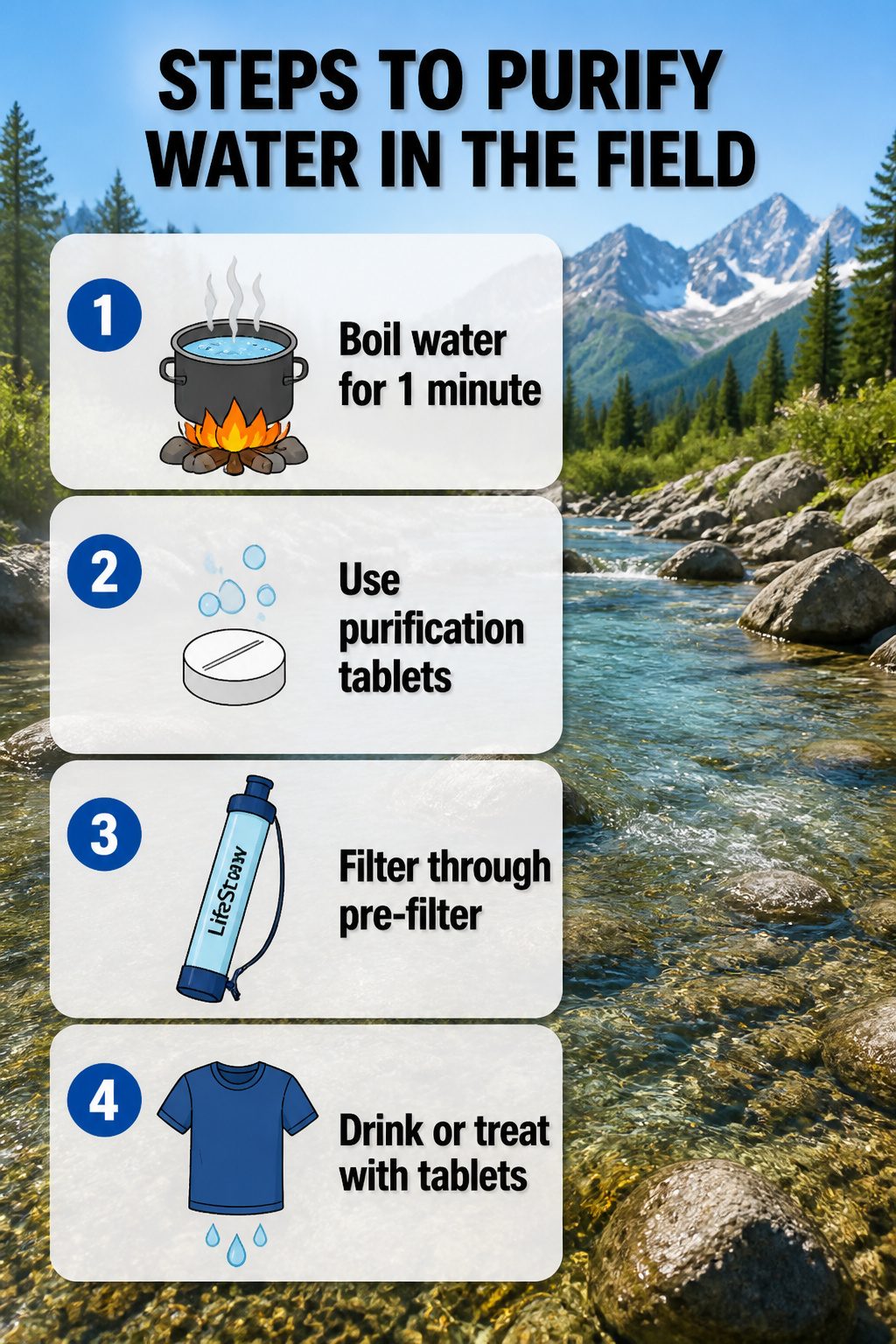
Clear water from a mountain stream once gave me the worst stomach cramps of my life. Boiling for one minute remains the only method that kills viruses, bacteria, and cysts outright, though it costs you fire and fuel. Purification tablets weigh almost nothing and work in cold water where fire is hard to start; I carry them as backup, but they leave a chemical taste and need time, usually thirty minutes or more. Filters like the LifeStraw handle volume fast and strain out debris, yet most pass viruses through. In hot weather, the body needs about 2.5 liters daily, more if you are working hard, so speed matters. Pre-filtering through a bandana or t-shirt catches the grit before any method, and skipping this step clogs a filter fast. The real trap is confidence: water can look pristine while carrying giardia or worse, and diarrhea in the backcountry dehydrates you faster than drinking nothing at all. When I can, I boil. When I cannot, I filter first, then treat with tablets, and I drink anyway if the alternative is going dry.
Signaling Methods That Work
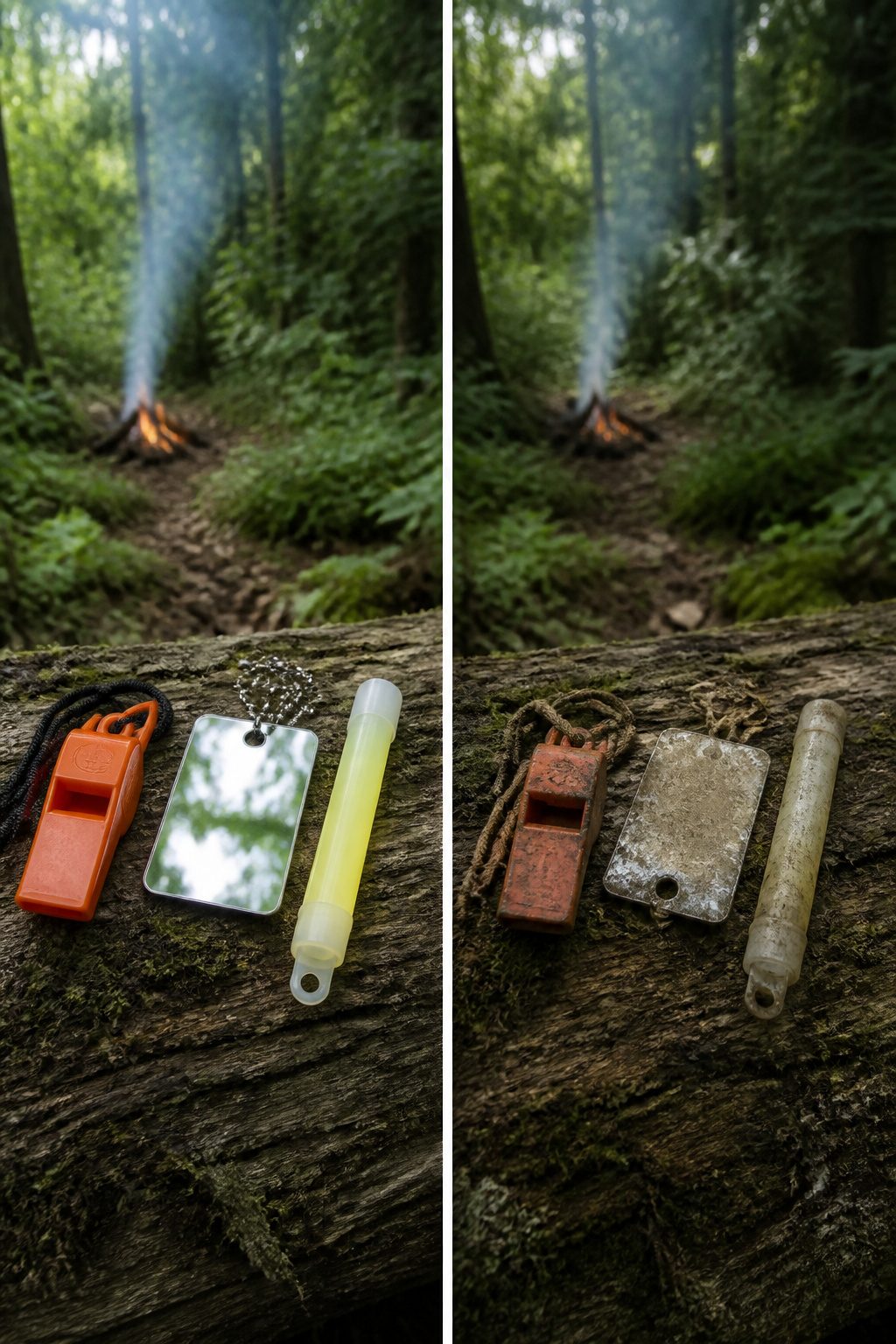
Smoke, mirrors, and whistles each have their moment, and choosing wrong costs you the one chance a search aircraft has to spot you.
A whistle carries farther than your voice ever will, and it does not shred your throat. Three sharp blasts, repeated, is the distress pattern. I keep a plastic pea-less whistle on my pack strap because it works when wet and in the cold where a metal barrel can freeze to your lips. A signal mirror in bright sun reaches 6–10 miles ground-to-air, or up to 20 miles under ideal conditions. The flash is unmistakable to a pilot, but you need a clear line of sight and the discipline to sight through the hole rather than waving it wildly. I have watched people flash at ridgelines where no aircraft could possibly be, burning daylight and battery on empty terrain.
Smoke from a signal fire works day or night, but contrast makes it visible. Green boughs thrown on a hot bed of coals produce thick white smoke against dark forest; oil or rubber produces black smoke against snow or sand. One uniform haze blends into the landscape. Three puffs or three columns, spaced, reads as human and intentional to anyone scanning from above.
The common error is signaling toward empty sky. Sound your whistle toward the valley a hiking party might traverse. Angle your mirror toward known trails, roads, or drainage bottoms where searchers concentrate. Smoke rises; your job is to make it rise where someone is actually looking.
What I Got Wrong
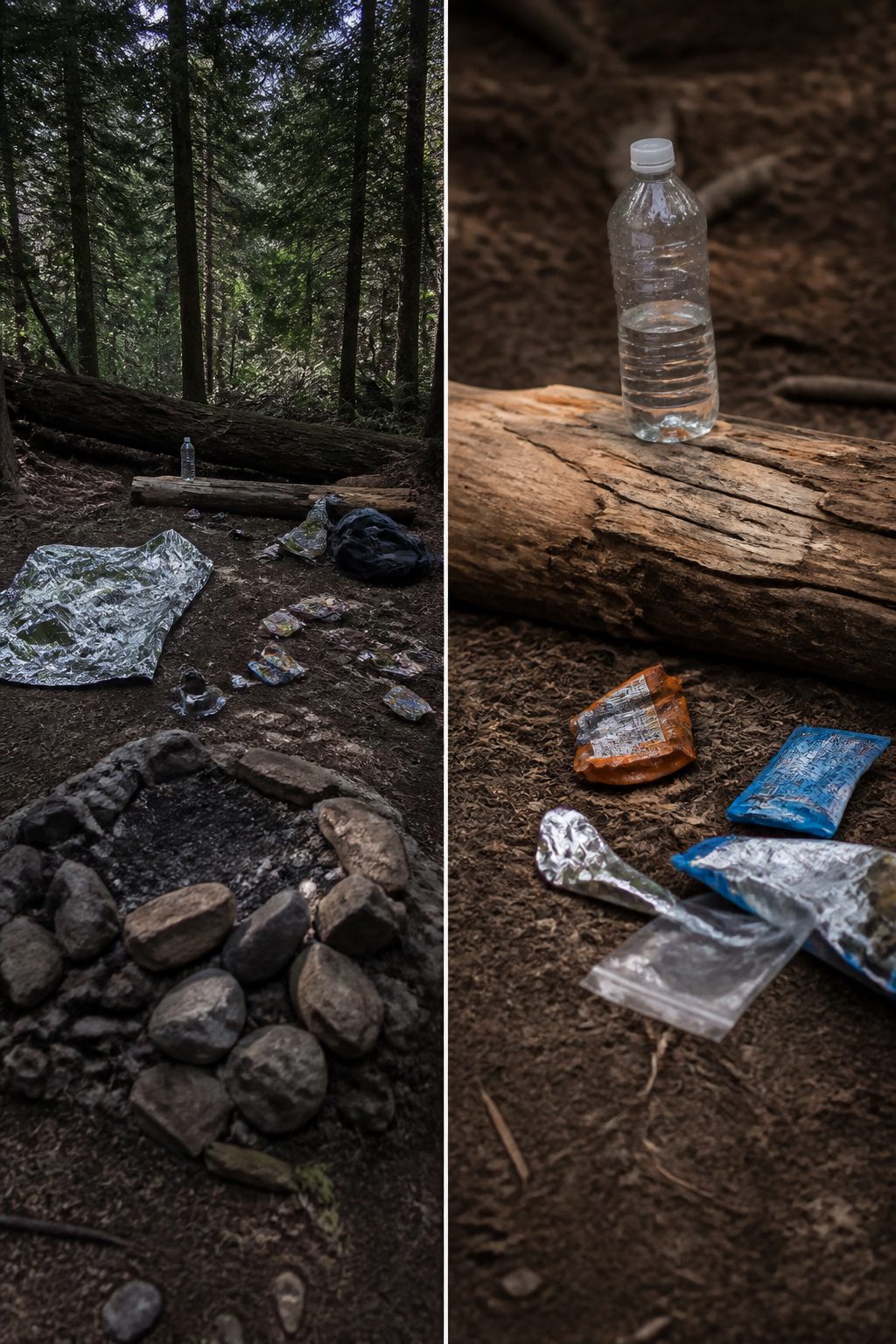
The first time I spent a night shivering under a pine tree, I had a granola bar in my pocket and a water bottle I’d filled straight from a creek. Food was not the problem. I had prioritized eating over building shelter because hunger feels urgent in a way cold does not, until it is too late. Three hours without decent protection from the elements can kill you; three weeks without food just makes you thinner and weaker while you try to fix the other things.
Signaling once and stopping cost me half a day on another trip. I fired a single whistle blast, waited, heard nothing, and assumed no one was coming. One blast is easy to miss. The rule is to signal in threes, pause, repeat, and keep repeating. Stopping turned a recoverable mistake into lost hours.
The creek water looked clear. I did not treat it, and the stomach cramps arrived that evening. Three days without water is the hard ceiling, but contaminated water can disable you far faster than going thirsty. Now I treat everything, even when the source looks pristine.
Isolation and Morale
Three months without human contact is about where the mind starts to fray. The research on isolation is stark: cognitive decline sets in first, dulling the problem-solving skills you need most, followed by emotional instability that can spiral into anxiety or hallucination, then a flat loss of motivation that makes even basic survival tasks feel pointless.
Social connection is not a luxury in the backcountry. It is a survival system as real as shelter or water. A partner gives you someone to reality-check against when fear starts distorting your judgment. They become the reason you keep going when your own will to live flags.
The techniques that work are concrete and repeatable. Naming fears out loud, to another person or even to yourself, strips them of half their power. Breaking the day into small, achievable goals builds momentum. Physical routines, even simple ones like checking gear at the same hours, anchor a mind that isolation wants to unanchor.
Signal devices matter here in a way most people miss. A whistle, mirror, or strobe is not just for rescue. It is a tangible link to the human world outside your situation, a physical reminder that you are not abandoned, that connection still exists and is worth enduring for. The will to live is not an abstract virtue. It is a practice, maintained deliberately, and social connection is its most reliable fuel.
Frequently Asked Questions
What are the priorities of survival?
The core survival priorities run shelter first, then water, fire, food, signaling, first aid, and mental attitude. The Rule of Threes gives the hard numbers: three minutes without air, three hours without shelter in extreme conditions, three days without water, three weeks without food. Some add three seconds without hope and three months without human contact.
How long can you survive without water?
About three days is the standard limit, though heat, hard exertion, or high altitude can shrink that to hours. Dehydration clouds judgment first; by the time confusion sets in, bad decisions start compounding fast.
What should you do first in a survival situation?
Stop, assess, and build shelter. Hypothermia kills more people outdoors in the United States than anything else, and the Rule of Threes gives you roughly three hours without protection in extreme conditions before exposure turns life-threatening. The details of your scenario can shift the order slightly, but shelter comes first in most backcountry situations.
How do you purify water in the wild?
Boil for one minute at sea level, three minutes above 6,500 feet. Chemical tablets work but need time and taste like a pool. Mechanical filters handle volume and particulates, though most let viruses through. Pre-filtering through cloth keeps grit from clogging your filter. Pairing methods beats trusting any single one.
Why is fire important in survival?
Fire provides warmth, sterilizes water by boiling, cooks food, and builds the smoke column search teams scan for. A single flame ties together shelter, clean water, and rescue signaling; without it, all three can fail together. Carry three independent ignition methods spread across pack and person, not two lighters from the same pocket.