You know someone is following you when three consecutive right turns around a city block leave the same car behind you, but that test only works if you first noticed the pattern your gut already flagged. Seventy percent of people who reported being followed said they felt it before they saw it, and my own delayed recognition in a grocery store parking lot last March cost me the minutes I should have spent confirming instead of doubting.
Stay Alert and Trust Your Instincts
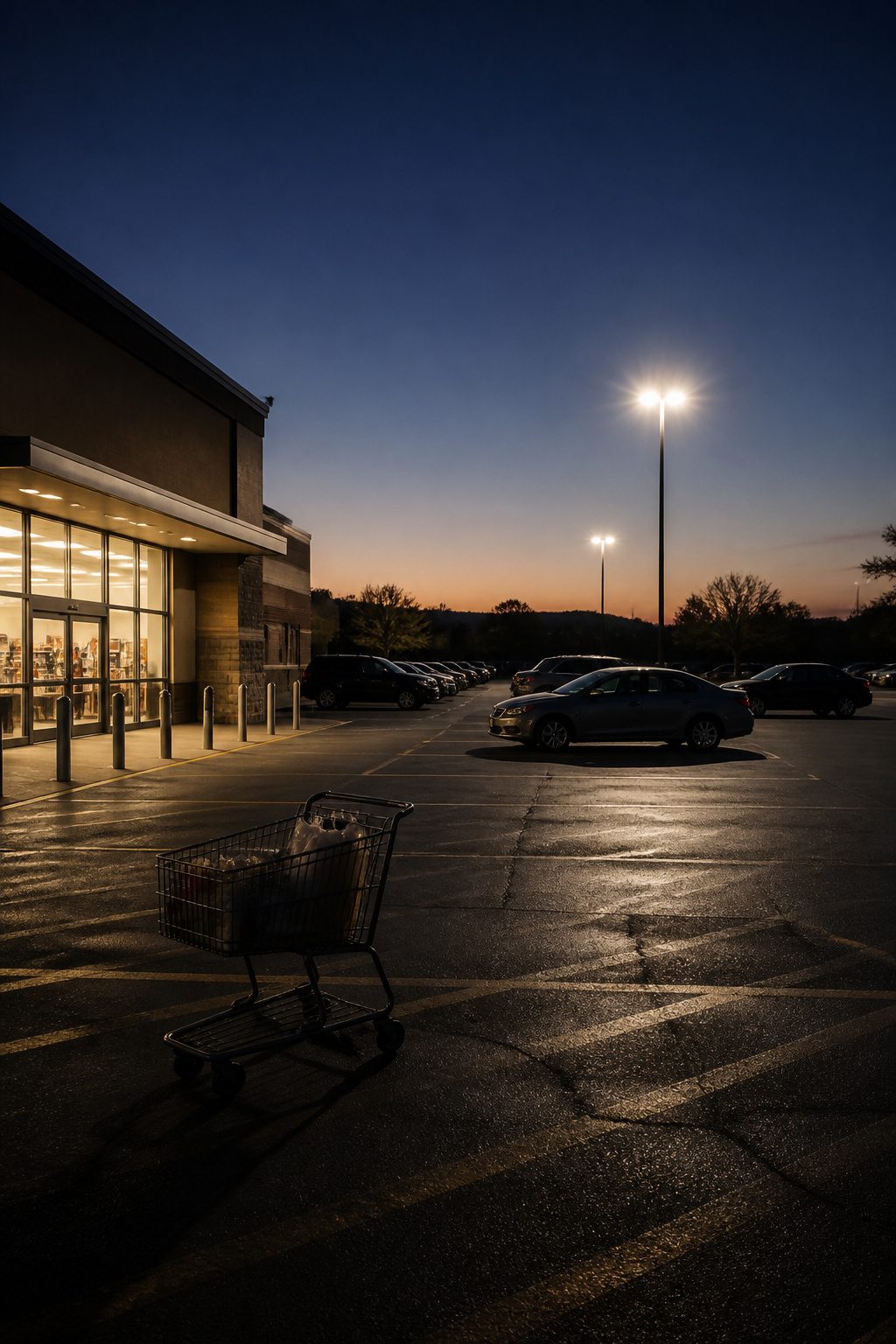
The parking lot at the grocery store last March felt wrong before I could name why. My cart was half-loaded when the sensation started, that low-grade alarm that has nothing to do with logic. I finished checking out anyway, because that is what politeness trains us to do. Outside, a man in a gray sedan sat with his engine running three spaces from my door, and I understood what my nervous system had been processing: the same face I had noticed inside, lingering near the cereal aisle, then again at the checkout line. He had not spoken to me, had not looked directly. My gut registered the pattern before my eyes did.
Situational awareness is not a state of paranoia. It is a set of habits. Before leaving any building, I scan the lot: where the cars sit, who is seated inside them, whether anyone moves as I move. Inside a coffee shop, I note the faces that were there when I arrived. These details fade fast if you do not fix them deliberately. In a vehicle, the three-second rule for mirrors becomes automatic: every few blocks, a quick sweep of rearview and side mirrors, long enough to register make, color, and whether one vehicle has hung through two turns. Seventy percent of people who reported being followed said they felt it before they saw it. That statistic matches my own delayed recognition in the lot. The instinct is data, processed below the threshold of language. Treat it as real until the environment proves otherwise.
Observe Patterns
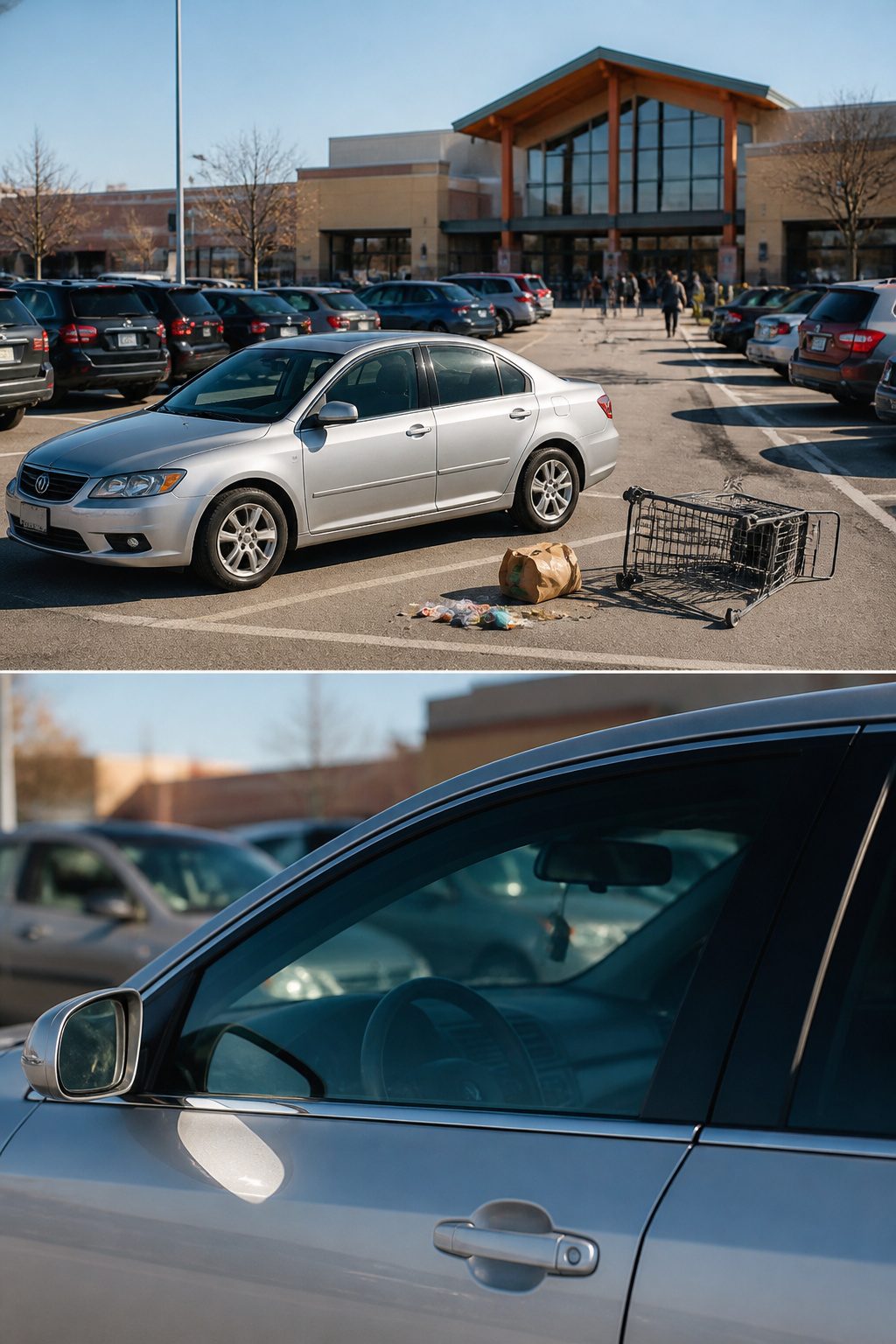
A car that was at your gym when you left is now idling near your grocery store entrance two hours later. That overlap is the first thread to pull. Three sightings of the same vehicle in unrelated places within a single outing is where coincidence ends and pattern begins. I started counting after a friend mentioned her brush with this: the same silver sedan at her coffee shop, then her pharmacy, then the parking structure near her office, all before lunch.
The stronger signal is behavioral mirroring. Someone following you will match your turns, especially unusual ones. Three consecutive right turns loop a block, and a vehicle still behind you after that is not heading somewhere by chance. Speed changes work the same way: slowing suddenly and watching whether they adjust is a clean test. Experienced surveillance avoids this, which is itself useful information. The amateur mirrors; the professional hangs back just far enough to break the pattern.
Same face in two different parts of town within an hour is harder to dismiss than a vehicle. Faces stick. If you spot one at your morning stop and again at an afternoon errand across town, the odds are not in favor of accident. Store windows and rearview mirrors let you confirm without staring. The goal is gathering enough repetition to act before you need to react.
Test for Following
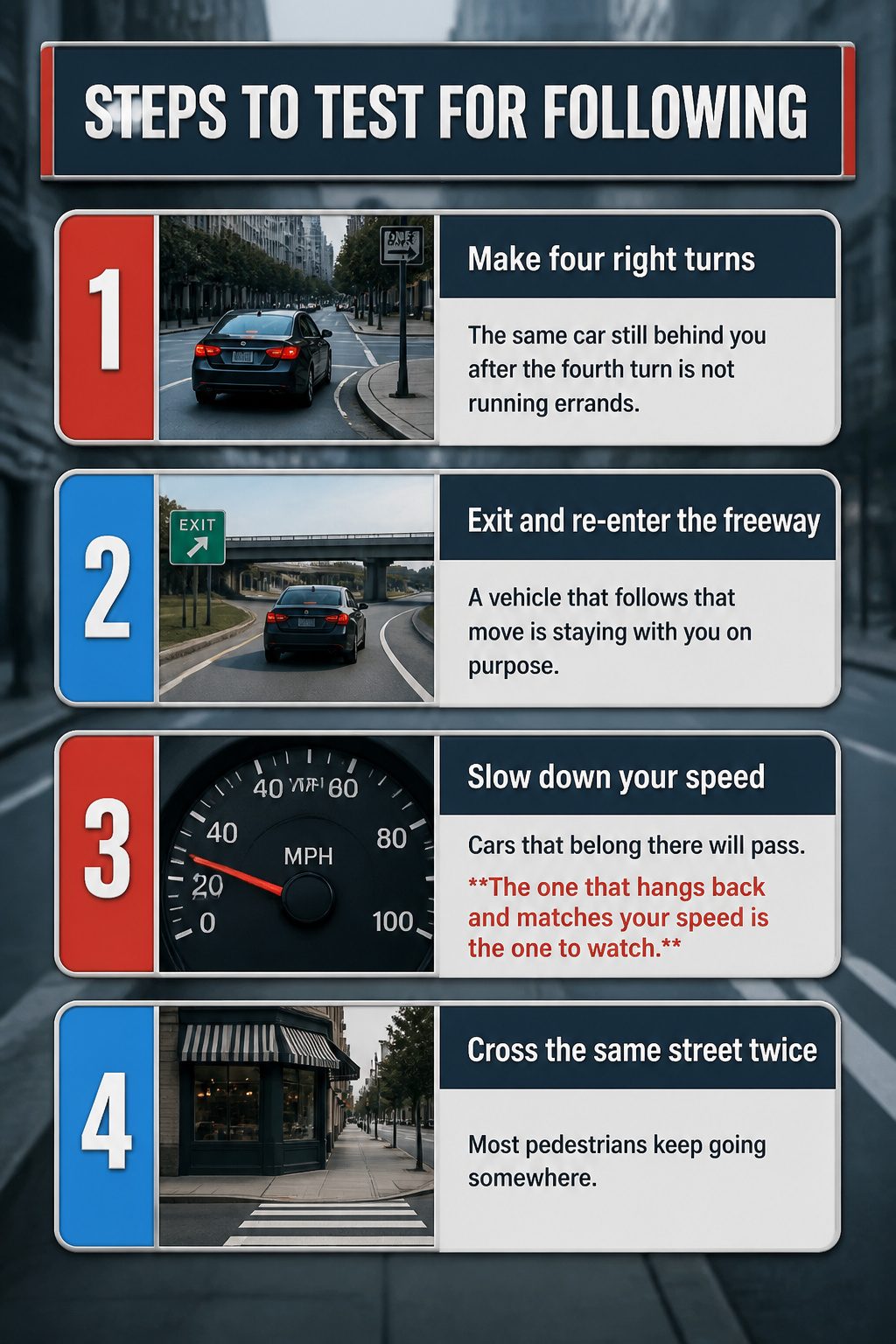
- Drive four consecutive right turns around a city block. The same car still behind you after the fourth turn is not running errands.
- On the freeway, take an exit and immediately re-enter. A vehicle that follows that move is staying with you on purpose.
- Slow to 10–15 mph below traffic flow. Cars that belong there will pass. The one that hangs back and matches your speed is the one to watch.
- On foot, cross the same street twice or double back past a storefront you already passed. Most pedestrians keep going somewhere.
Move to a Public Place
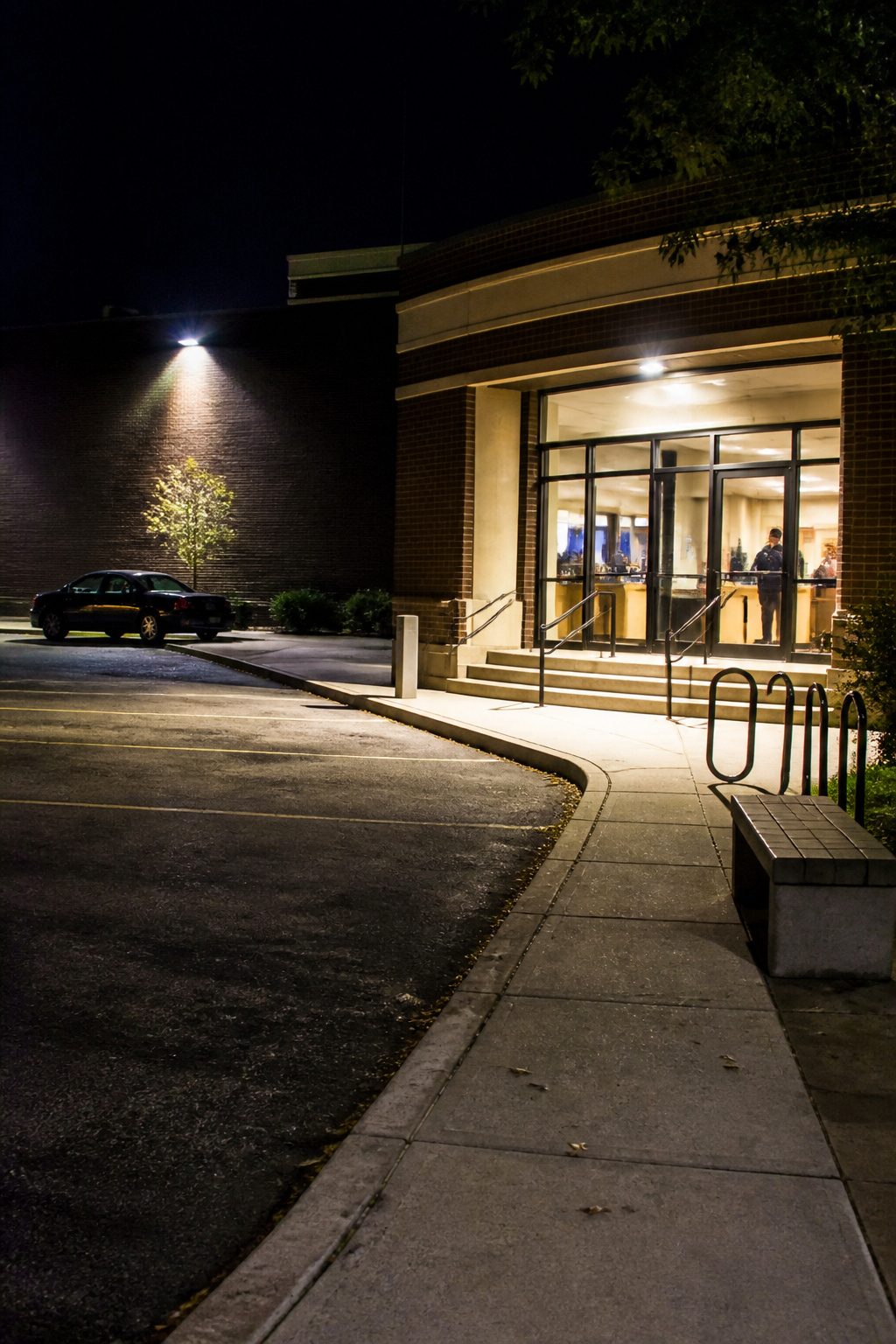
A police station sits at the top of the list for a reason: sworn officers, a dispatcher who can walk out to your car, and no ambiguity about why you have pulled into the lot. A fire station runs a close second, usually staffed around the clock with people trained for emergencies and a bay that stays lit all night. Hospital emergency entrances work because they never close, the cameras are already rolling, and staff there have seen enough to react without freezing up. A 24-hour convenience store with a clerk behind the counter and cameras over the registers beats a darkened strip mall every time, though it only works if you stay inside near the counter, not in the parking lot.
The false reassurance catches more people than the empty street does. A closed business with a dark parking lot looks like shelter because the building is familiar, but it leaves you isolated, boxed in, and visible to anyone watching. The cameras are off, the doors are locked, and no witness is coming.
Never drive home. That impulse to get behind your own door is the single worst move, because it hands your follower your address, your routine, and the layout of your exit routes. Once that information is out, the problem does not end when the car stops; it moves inside with you.
Document Details
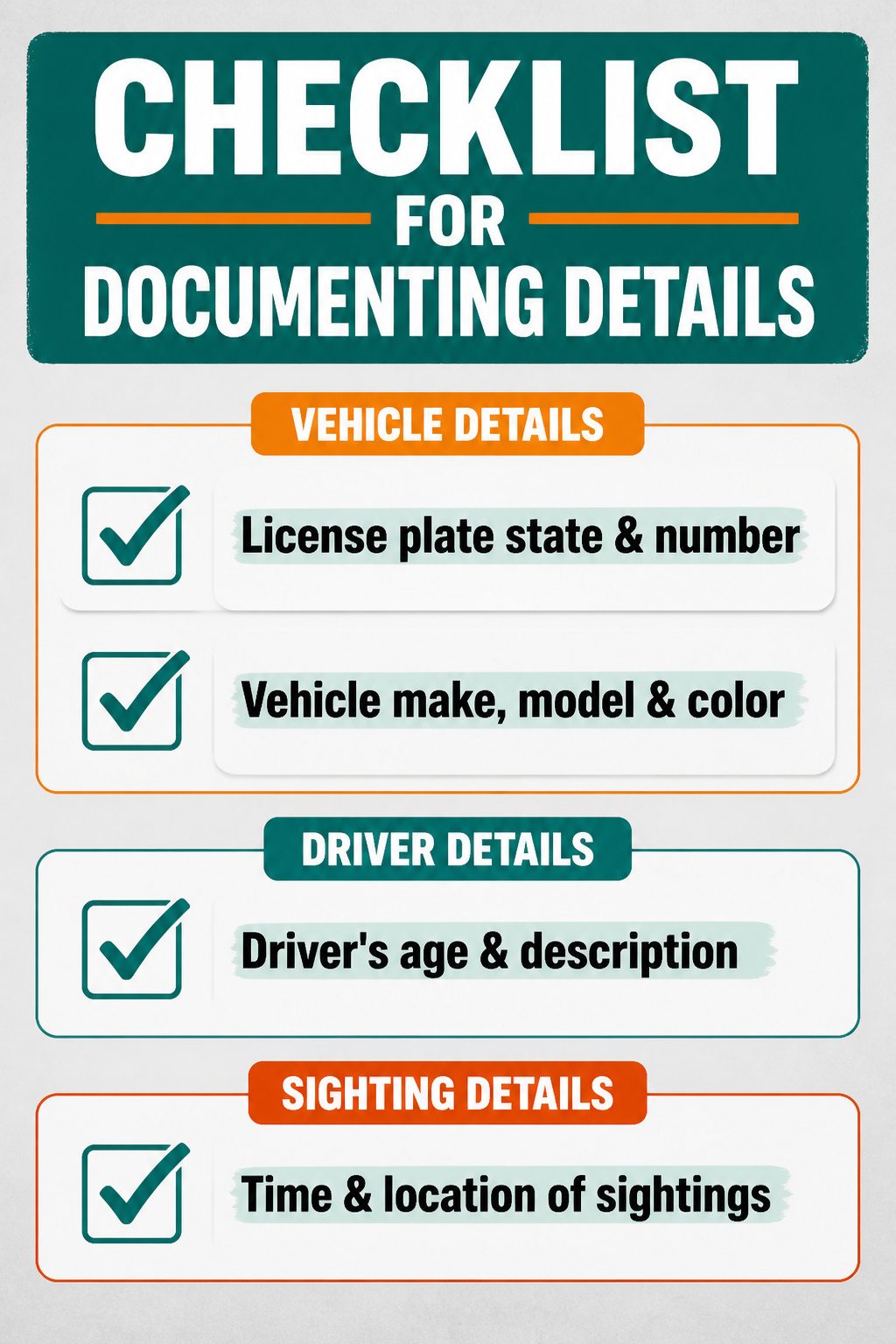
Once you confirm a follower, the details you record matter more than you think. Police need specifics, and memory blurs faster than most people expect.
- License plate state and full number; read it aloud twice to lock it in
- Vehicle make, model, color, and anything that stands out: dents, bumper stickers, aftermarket wheels, a missing hubcap
- Driver’s approximate age, race, clothing, glasses, or hat; even a partial description helps
- Time and exact location of each sighting, including direction of travel
Your phone’s voice memo works better than trying to type while driving. Hit record, speak the plate and location aloud, and keep your eyes up. I learned that the hard way: stress once cost me a digit on a plate I was sure I had right, and a partial plate is nearly useless. The recording takes ten seconds and removes that risk entirely.
Call for Help
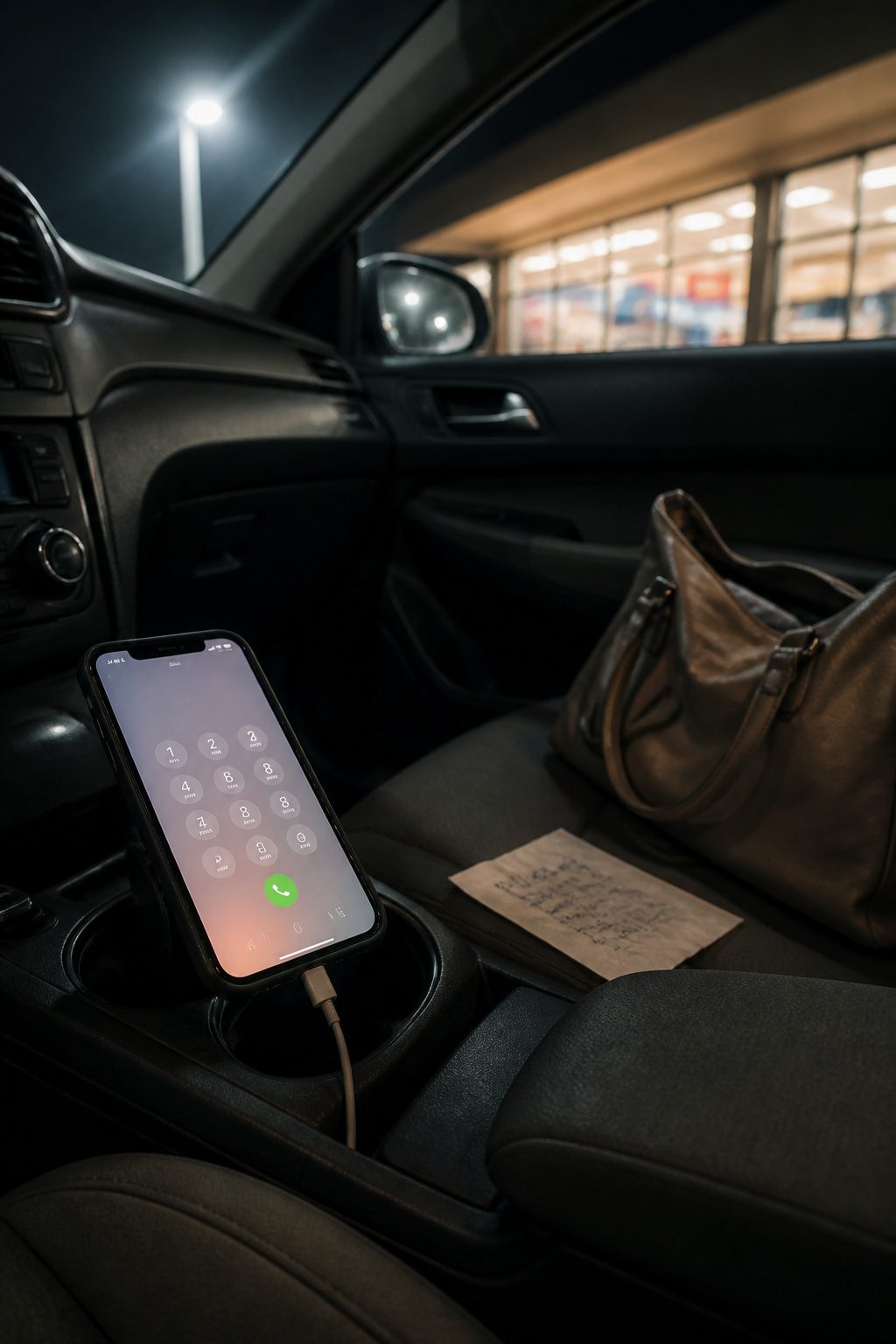
A charged phone sitting in a cup holder does nothing if the battery dies mid-call. Plug it in before you leave, keep a cable within reach, and know that 911 is for immediate threat or confirmed following, not for uneasy hunches. Multiple turns by the same car, a stranger approaching your window, the gut feeling that this is real: those lines justify the call.
Dispatch needs four things fast. Your location, your direction of travel, a description of the follower and their vehicle, and your destination, which should be a police station or another staffed public place. Say outright that you are being followed and heading there. Do not hang up until they tell you to.
For the situation that has not crossed into immediate danger, a trusted contact on speakerphone serves a different purpose. They hold your live location, hear street names as you speak them, and build a record while you drive. The emotional steadiness matters too; saying the details aloud keeps your head in the task.
The worst mistake is waiting for proof that satisfies someone else. Your job is to arrive safe, not to build a case from the driver’s seat.
Avoid Confrontation
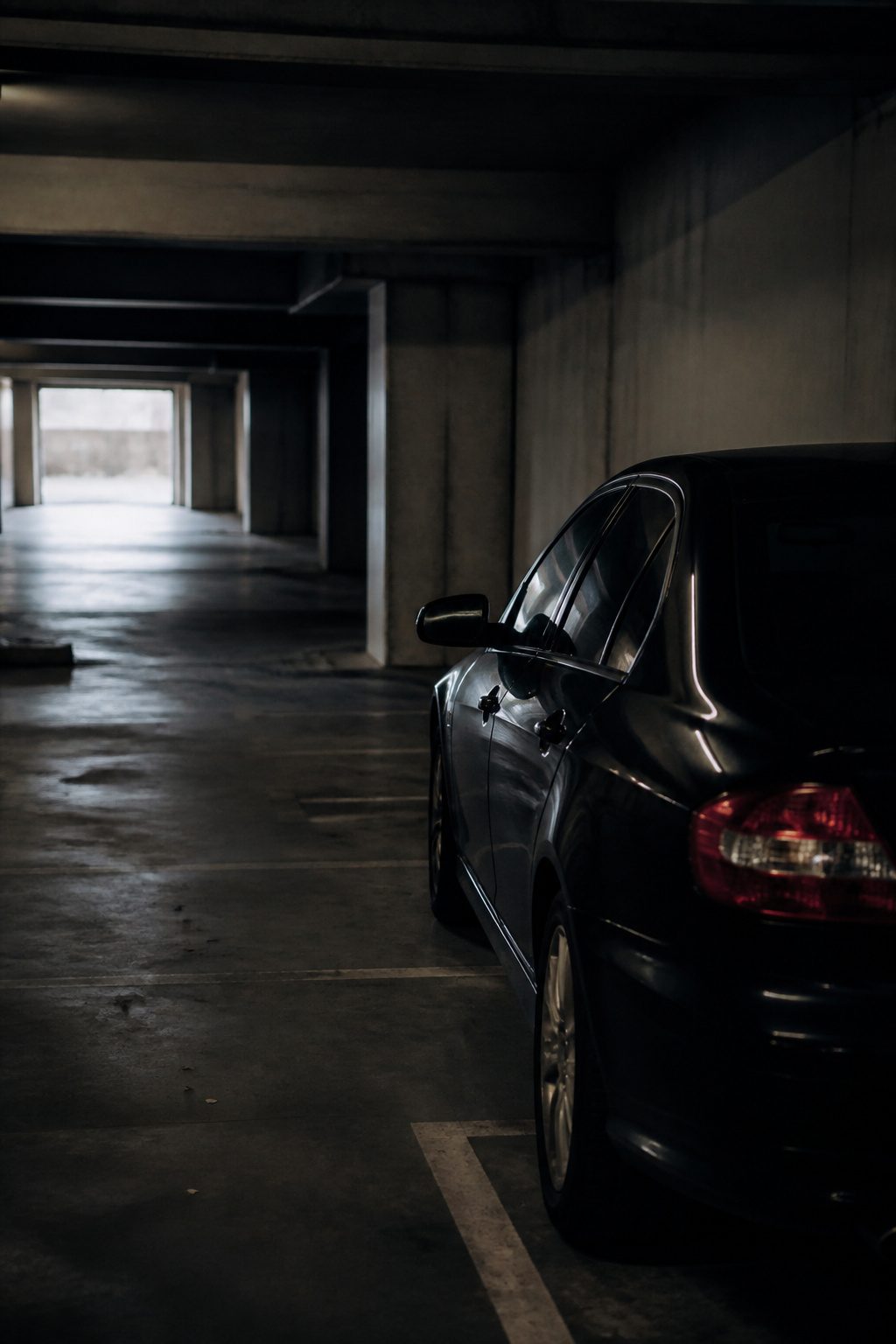
The core problem with confrontation is the information gap. You do not know the follower’s intent, capability, or mental state. The goal is arrival at safety, not resolution or understanding.
A few years back, I misread a situation badly. A man had mirrored my path through three levels of a parking garage, and I spun around and yelled. He turned out to be a security guard responding to a reported theft in the structure. Even then, the escalation was unnecessary. The guard was already doing his job; my outburst changed nothing useful about the outcome.
Public, well-lit, populated areas give you time and witnesses. Main roads do the same in a vehicle. Isolated alleys, stairwells, parking decks, and country roads strip those advantages away. Leading someone to your home reveals where you live to someone who may not know yet.
If you need to make noise, make it to draw attention from others, not to challenge the follower directly. Call 911 or alert staff inside a business. Let trained responders handle contact. Your only task is to remain visible and keep moving toward safety until help arrives.
Signs of Being Followed
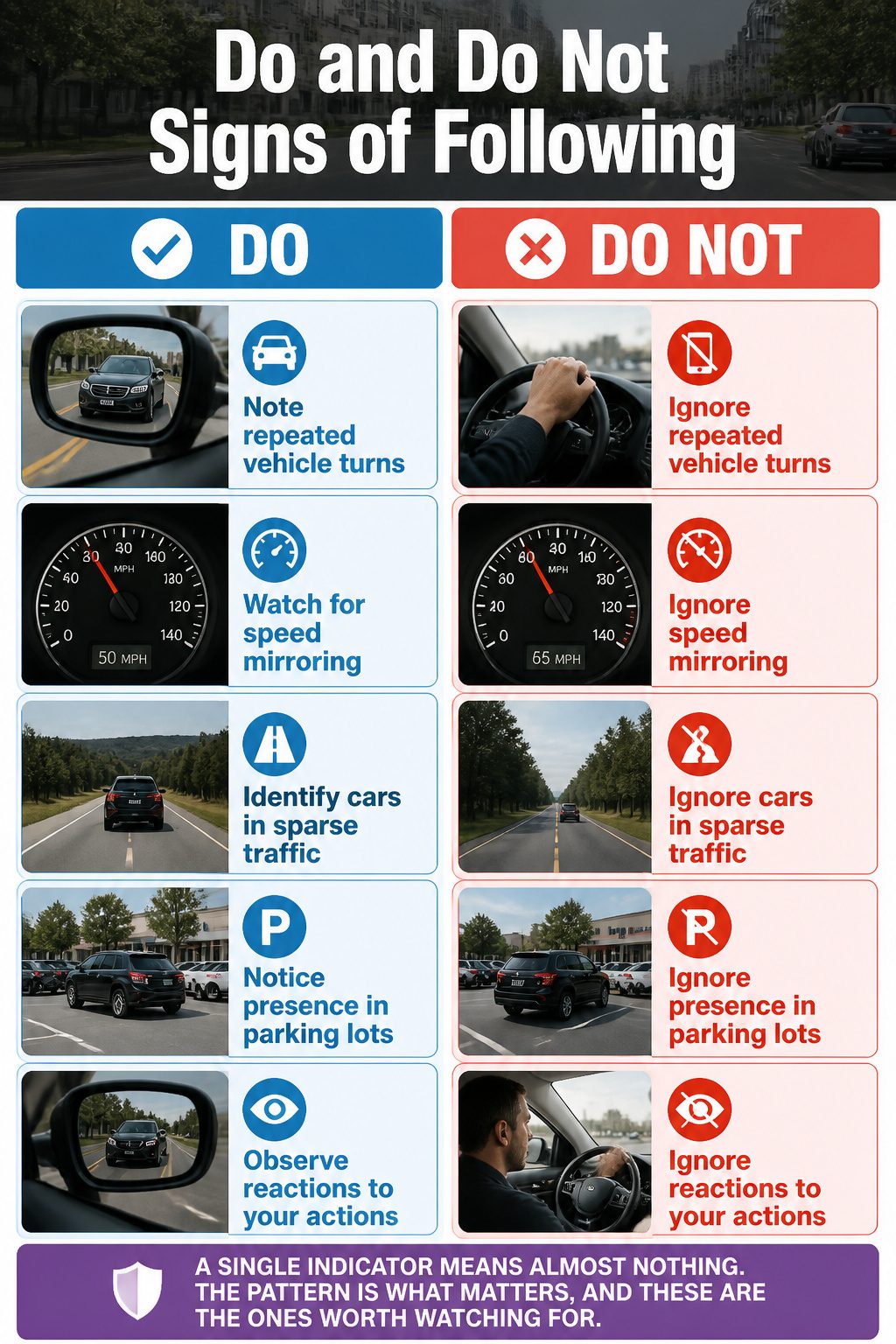
A single indicator means almost nothing. The pattern is what matters, and these are the ones worth watching for.
- The same vehicle behind you through repeated turns, especially ones that feel unnecessary. One shared turn is traffic; three in a row is a pattern worth noting.
- Speed mirroring that holds steady even when the flow around you changes. They match your lane changes, hang back through lights, or reappear after you pass through a gap.
- Extended presence in sparse traffic, where a normal driver would pass or turn off. A car that stays put when the road opens up is behaving against its own interest.
- The same vehicle in multiple parking lots, particularly if it exits soon after you do. One sighting is coincidence; two starts a count.
- Sudden reactions to your changes, like a last-minute turn or abrupt slowdown. The test only works if you do it more than once: a single follow-through could be a distracted driver recovering. The second or third time, you have a read.
Situational Awareness

Most people move through spaces without registering them, and that gap is where a tail operates. Situational awareness means building the habit of reading a room before anything else: who belongs here, who does not, what the normal flow looks like at this hour. A coffee shop at 7 a.m. has its regulars; someone who does not fit that pattern, who watches the door more than their cup, registers as an anomaly worth noting.
Exit awareness should be automatic. Every building entered, even familiar ones, gets a quick scan for secondary doors, service corridors, anything past the main lobby. The habit pays off before any threat materializes; it simply makes the space yours instead of theirs.
The 10-second pause before unlocking a car is non-negotiable. Use it to look behind the vehicle, check the back seat through the glass, and scan the immediate area for anyone who was not there when you walked out. Without this foundation, the later steps arrive too late; you cannot test for a tail you never noticed, and by the time your gut insists something is wrong, your options have already narrowed.
Safety Measures
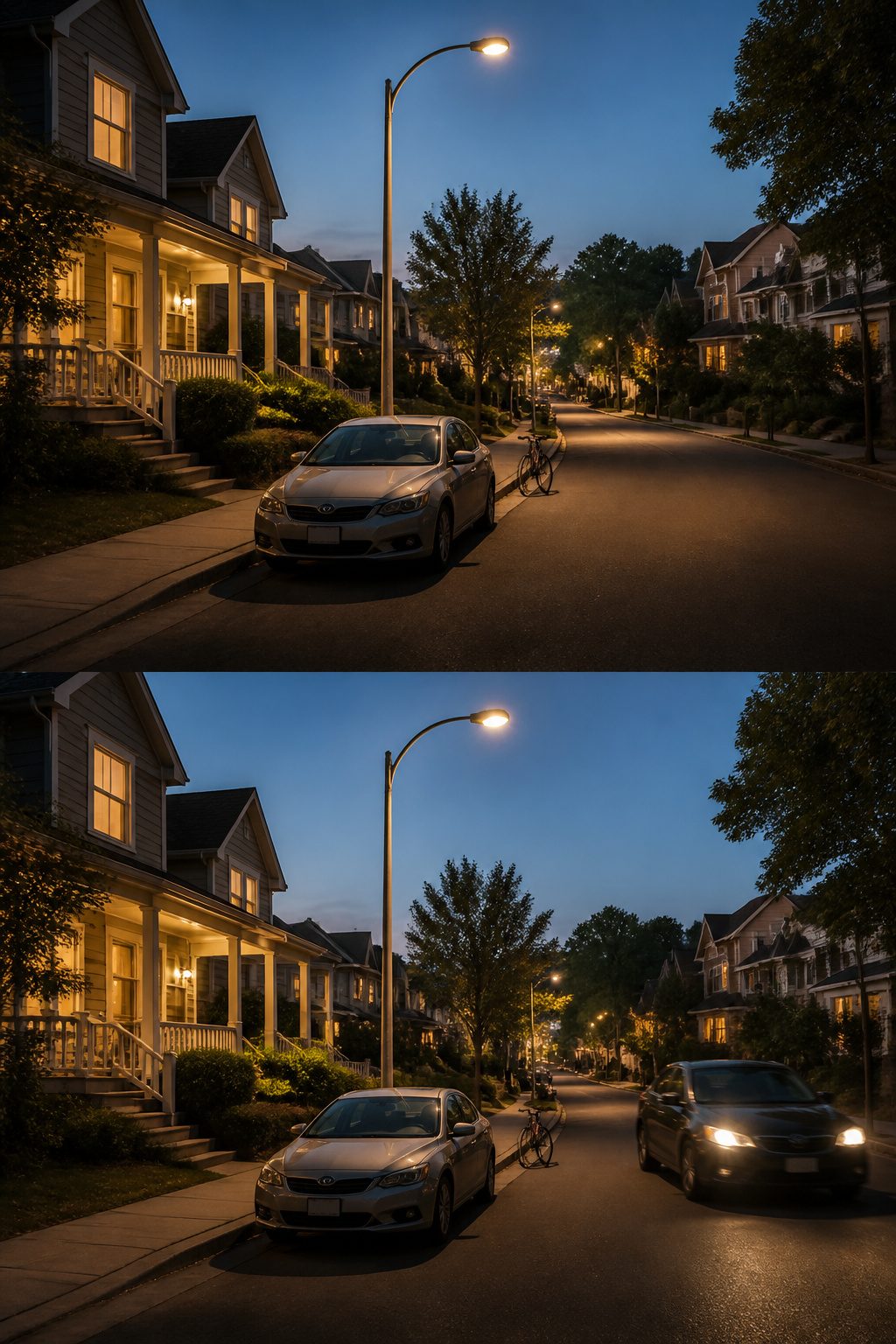
Environmental controls are the part you can actually plan. Varying your route and the time you leave makes patterning you harder, so the truck takes the highway Tuesday and surface streets Thursday, and the gym happens at six one morning, seven-thirty the next. Parking under lights is a simple call; darkness favors whoever is watching, not whoever is walking. The same math applies to walking with others when possible, because pairs and groups change the risk calculation for whoever is trailing.
Headphones are a tradeoff worth naming. Audio cues, a second set of footsteps, an engine slowing, get stripped away when something is playing. Keep one ear open, or keep them off entirely if the situation already feels off.
Panic is where training comes apart. Running without direction just burns energy and removes options. Driving erratically, slamming brakes, accelerating hard, endangers you and everyone near you and signals to the follower that you know, which can escalate what follows. Freezing at a red light is the worst of both worlds, stopped, predictable, cornered. The move is deliberate: toward people, toward light, toward a station or a crowded storefront, with purpose rather than speed.
Communication and Documentation
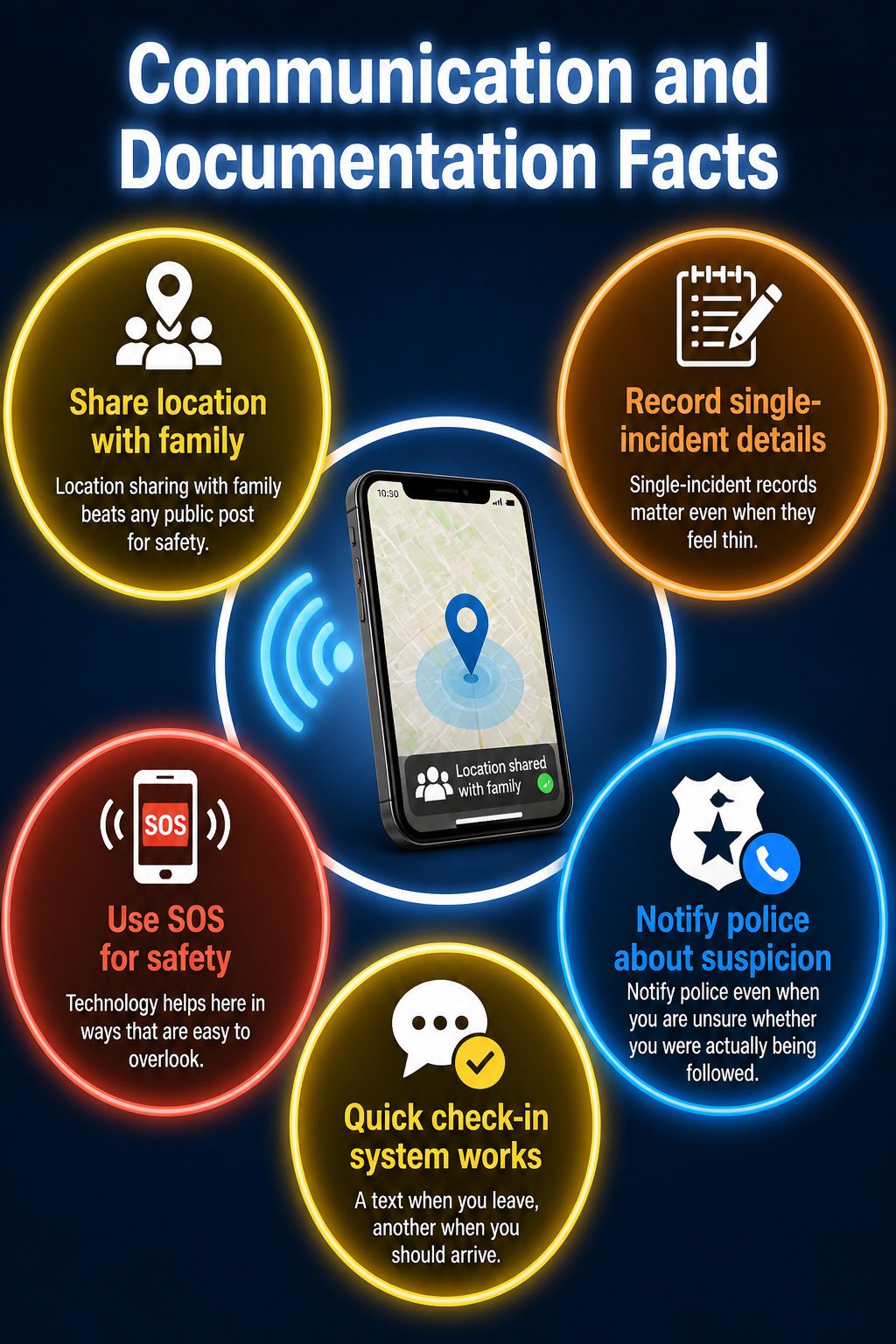
Location sharing with family beats any public post for safety. Apps like Life360 or Apple’s Find My let someone track your movements in real time without broadcasting where you are to strangers. A quick check-in system works too: a text when you leave, another when you should arrive, so someone notices the gap.
Single-incident records matter even when they feel thin. Most stalking cases need a pattern documented over time, and that pattern starts with one entry. Write down what you noticed immediately: time, date, location, physical description, license plate if you got it, direction of travel. The detail that feels small now may be the link police need later.
Technology helps here in ways that are easy to overlook. iPhones and Androids both let you press the side button multiple times to send an SOS signal with your GPS location. Use it if you feel genuinely threatened, not as a test.
Notify police even when you are unsure whether you were actually being followed. Your report may help with future investigations or highlight patterns someone else is also reporting. The earlier the call, the more likely they can act.
Frequently Asked Questions
How do I know if someone is following me?
Watch for repeated sightings of the same vehicle or person in unrelated places, especially three or more times in one outing. Behavioral mirroring is the strongest signal: someone who matches your turns, especially unusual ones, or adjusts their speed to stay with you through traffic changes. Seventy percent of people who reported being followed said they felt it before they saw it, so treat your gut instinct as real data until the environment proves otherwise.
What should I do if I think I’m being followed?
Move deliberately toward a staffed public place: a police station, fire station, hospital emergency entrance, or 24-hour convenience store where you can stay near the counter. Never drive home, since that reveals your address and routine to whoever is watching. Call 911 if the following is confirmed or the threat feels immediate, and stay on the line until dispatch tells you to hang up.
Is it safe to confront someone who is following me?
No. You do not know the follower’s intent, capability, or mental state, and confrontation only escalates risk without improving your safety. The goal is arrival at a secure location, not resolution or understanding. If you need to draw attention, make noise to alert bystanders or staff, or call 911 and let trained responders handle any contact.