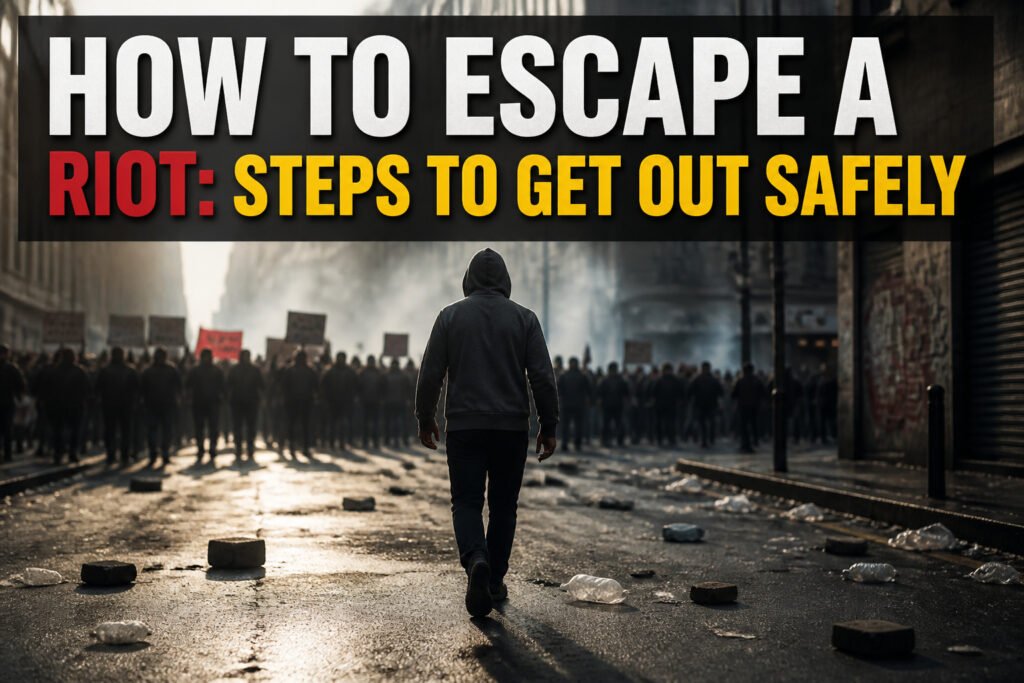
Escaping a riot alive takes three routes home, a faded hoodie, and the discipline to walk away before the crowd turns. Most people get stuck in the gap between their body screaming and their brain catching up. The 22% jump in political violence over the past five years means that gap now costs more than it used to.
1. Know Your Surroundings Before Trouble Starts
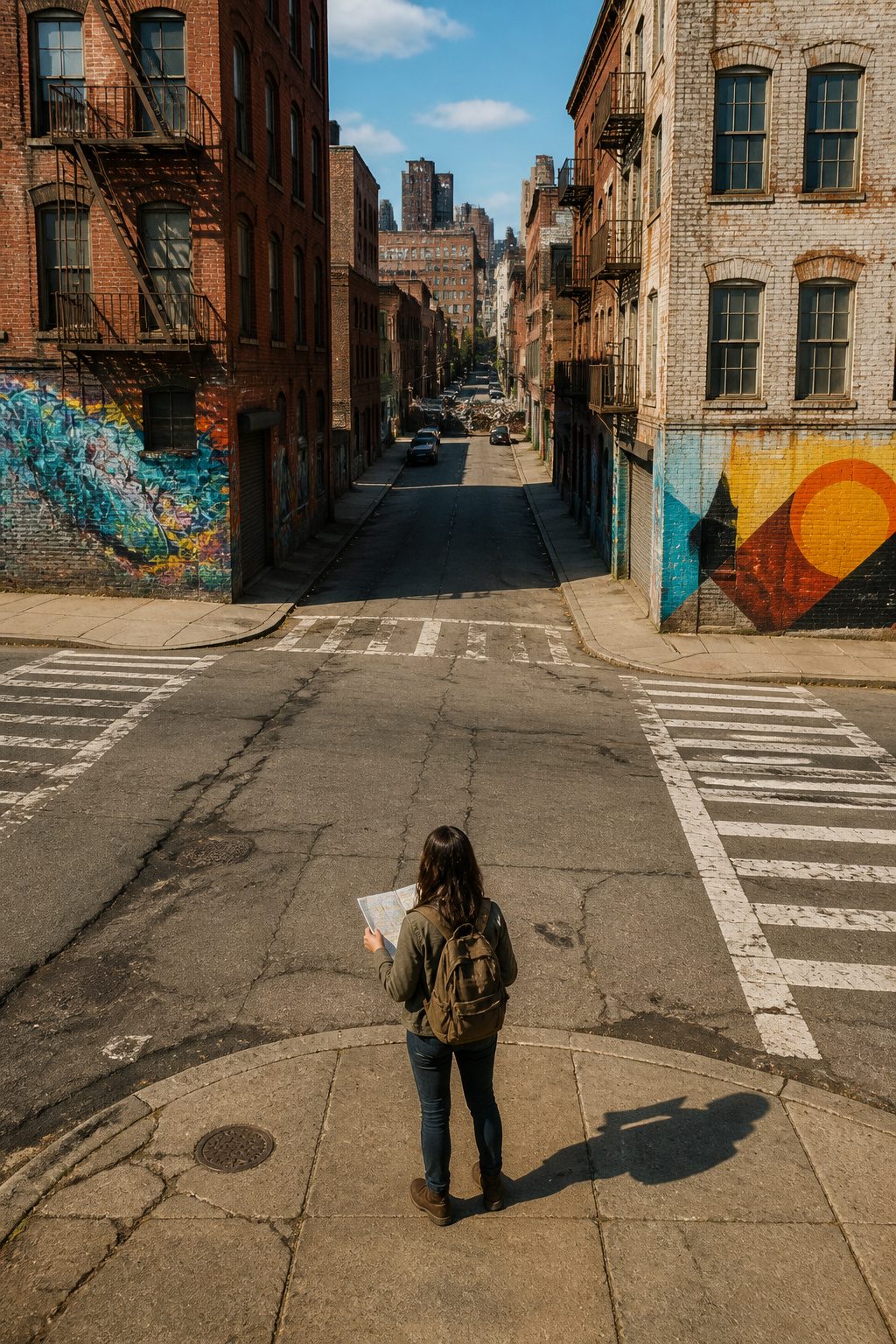
The 22% increase in political violence incidents over the past five years means knowing your exits before you need them is no longer something only people in certain neighborhoods do. I have walked every route between my apartment and my office enough times to know which alleys dead-end and which cut through to the next block. That repetition is the work.
A crossroads beats a straight shot every time. Two directions to run beat one. If you work somewhere volatile, you need three routes home, minimum, because the first one will be blocked and the second will be where the crowd is forming. Maps help, but only if you have walked the route once in daylight. An alley that looks like an escape on paper can be a locked gate or a drop you cannot see.
Safe havens are harder. A building with multiple exits and interior rooms away from glass is better than a storefront with a single door and big windows. The time to find those is Sunday afternoon, not when you hear glass breaking two blocks away.
2. Stay Calm Enough to Think
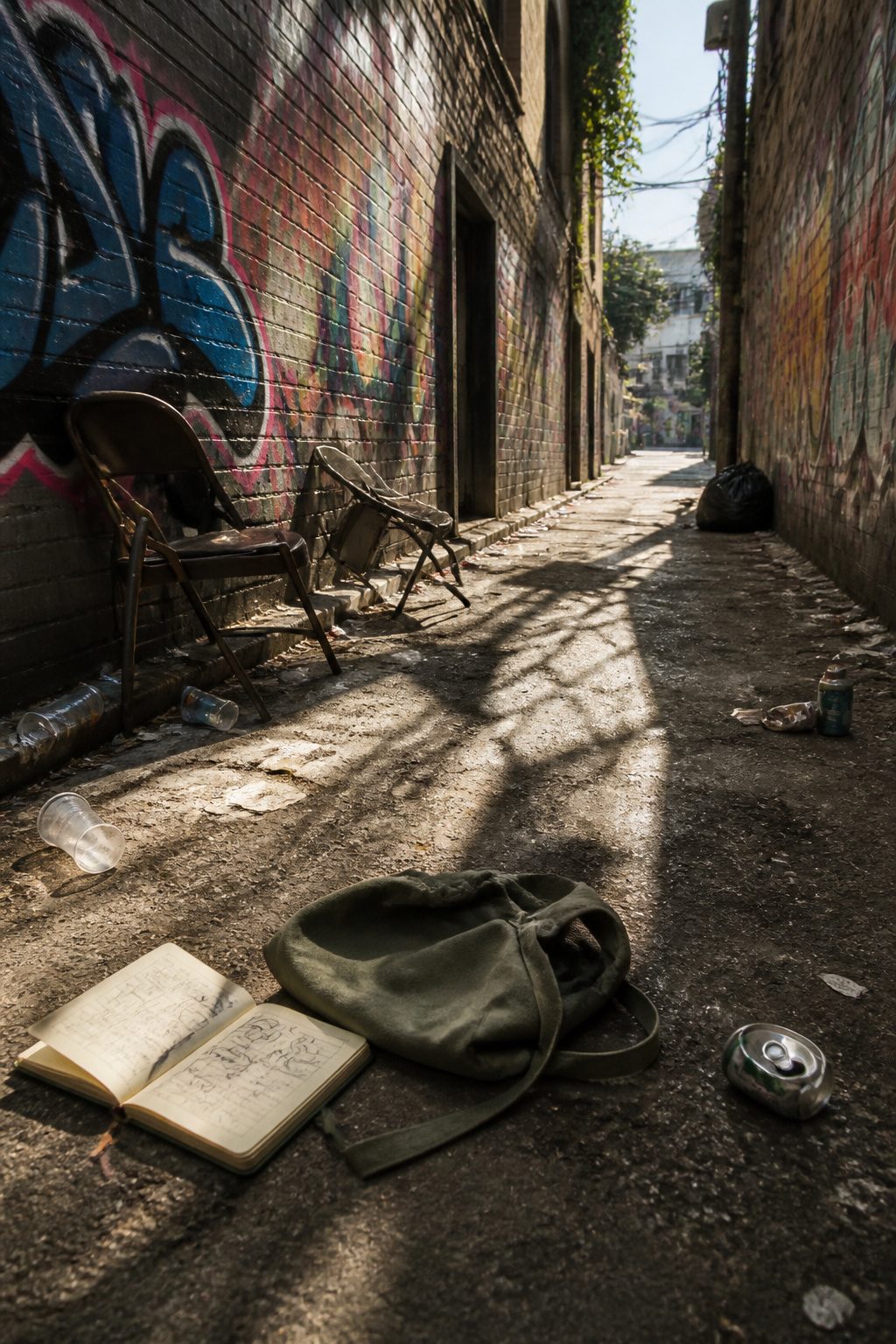
Panic has a sound. In a crowd that sound becomes contagious, and once it catches you the thinking part of your brain goes offline. The first move is not a move at all. It is breathing slowly enough to keep your hands steady and your eyes working.
I learned this the hard way at a street festival that turned in about ninety seconds. My pulse was hammering before my brain had even registered the shift, and that gap, that lag between body and mind, is where most people get stuck. The ones who got out clean were already scanning while the rest of us were still frozen.
A simple grounding technique works in that gap. Name three things you can see, two you can hear, one you can smell. Not out loud, just in your head. It sounds thin, but it forces the frontal lobe back online just enough to process instead of react. Once that switch flips, scan for exits before you pick a direction. The crowd will pull at your attention, loud voices, sudden motion, but your job is to read the spaces between people, not the people themselves.
Blend in, but do not follow. Move like you belong, not like you are fleeing. Sudden or fast movements draw the crowd’s eye, and that attention is the last thing you want. Calm and purposeful gets you to the edge. Panic gets you noticed, and noticed gets you hurt.
3. Keep a Low Profile and Avoid Confrontation
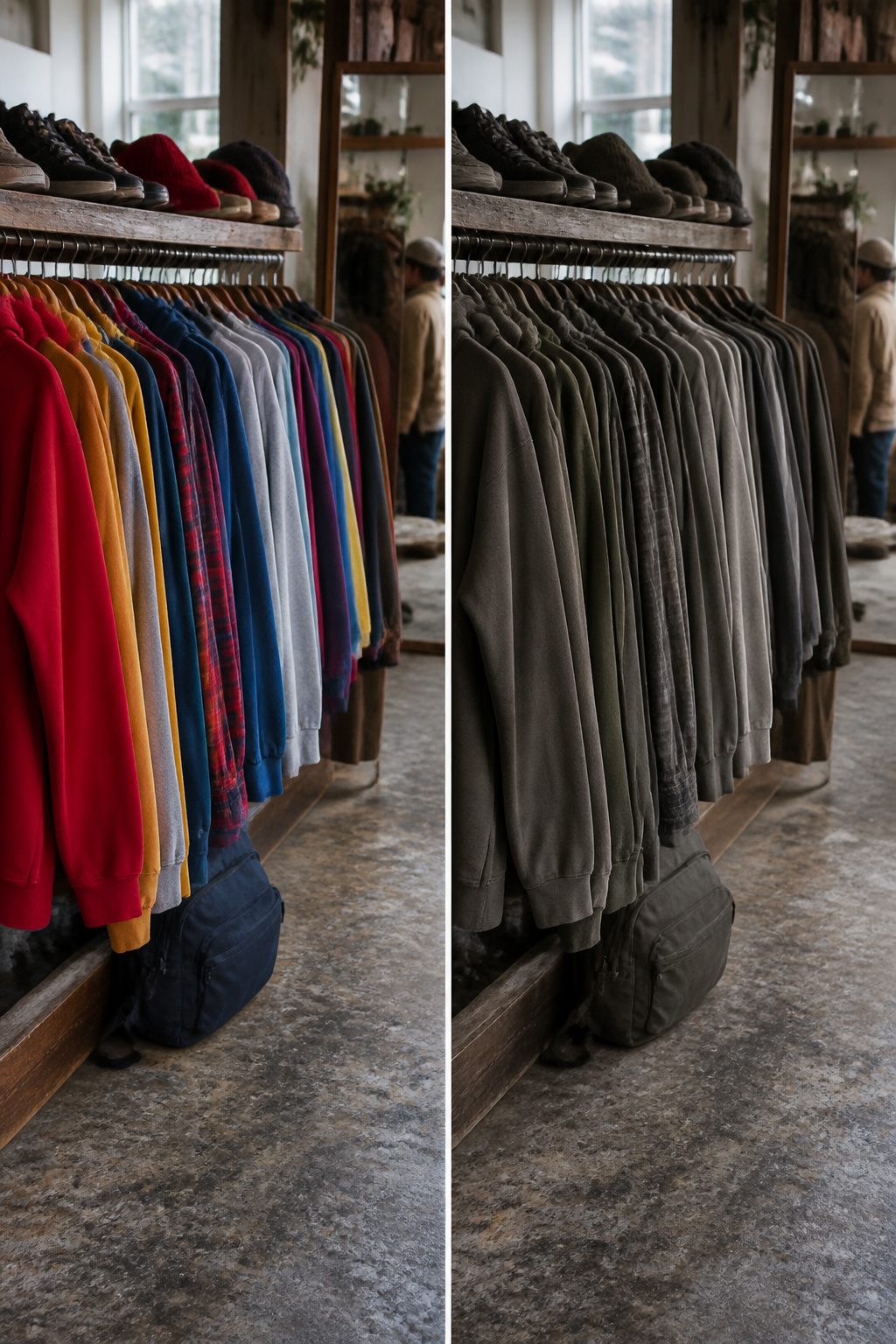
The worst clothing choice in a crowd is anything that reads as a uniform. Military-style boots, tactical pants, or anything resembling police gear turns you into a symbol to both sides, and symbols get hit first. The same goes for political shirts, team colors, or any visible affiliation that the crowd might read as opposition.
Thrift store clothing is the practical choice here: cheap, worn-in, and deliberately forgettable. A faded hoodie, generic jeans, scuffed sneakers, the kind of outfit that makes you hard to describe ten seconds after you pass. Several sources suggest keeping one set at home, another at work, and a packed set for travel, which sounds excessive until you remember that changing clothes takes thirty seconds and being memorable lasts much longer.
Dark clothing carries its own risk. Black hooded sweaters match the rioter uniform in enough countries that police spotters sometimes sort by silhouette alone. If the crowd around you is wearing one color and you match it, the advice is to lose that layer even mid-crowd, awkward as that feels.
What convinced me, reading through the guidance on this, was how much of it comes down to not being worth anyone’s attention. Not heroic, not threatening, not even particularly there. The gray man idea sounds theatrical until you realize it mostly means keeping your eyes down, your phone in your pocket, and your pace steady with the flow rather than against it. No filming, no arguing, no sudden moves that read as confrontation or flight. The taco in your hand, shared or not, is a better shield than anything tactical you could wear.
4. Move With the Crowd, Not Against It
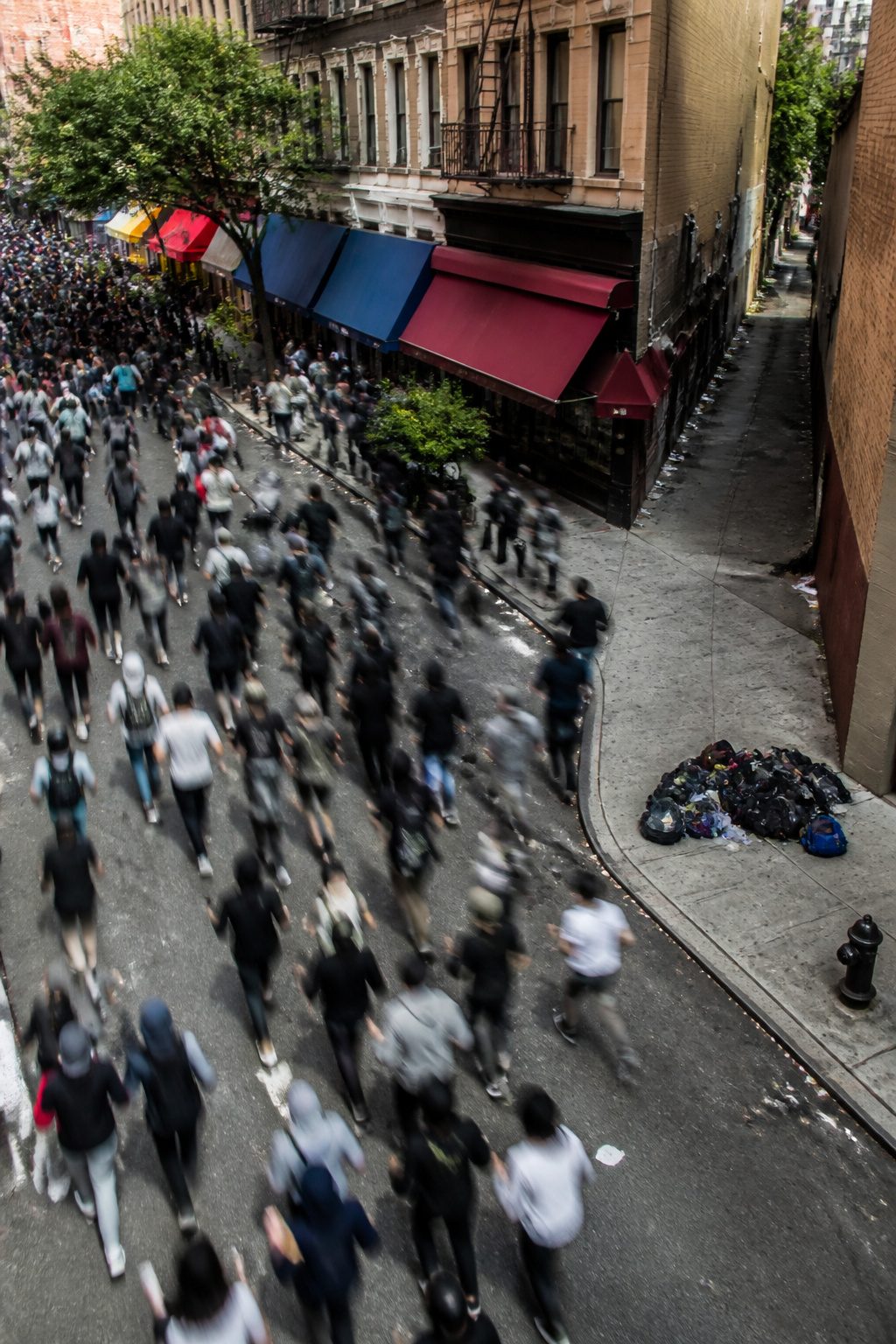
A crowd in motion behaves more like a fluid than a group of individuals. The mass carries momentum you cannot fight without being trampled or crushed against a barricade. Move at a 45 or 90-degree angle off the flow, not against it. This lets the crowd’s own energy push you sideways toward the edge rather than forcing you to swim upstream.
The psychology works the same way. Panicked people lock onto anyone moving against them as a threat or obstacle, which draws hands, elbows, worse. Flowing with the group keeps you invisible. Once you’re near the perimeter, keep walking. Running at that point makes you memorable, and memorable is dangerous.
City blocks naturally funnel crowds along predictable paths. The edges of that flow are where cross streets and alleys open up. If you’re with family, a human chain helps: one adult at front, one at rear, kids holding hands in between. Physical contact matters more than speed. Slow progress together beats fast separation every time.
5. Find Shelter When Escape Is Blocked
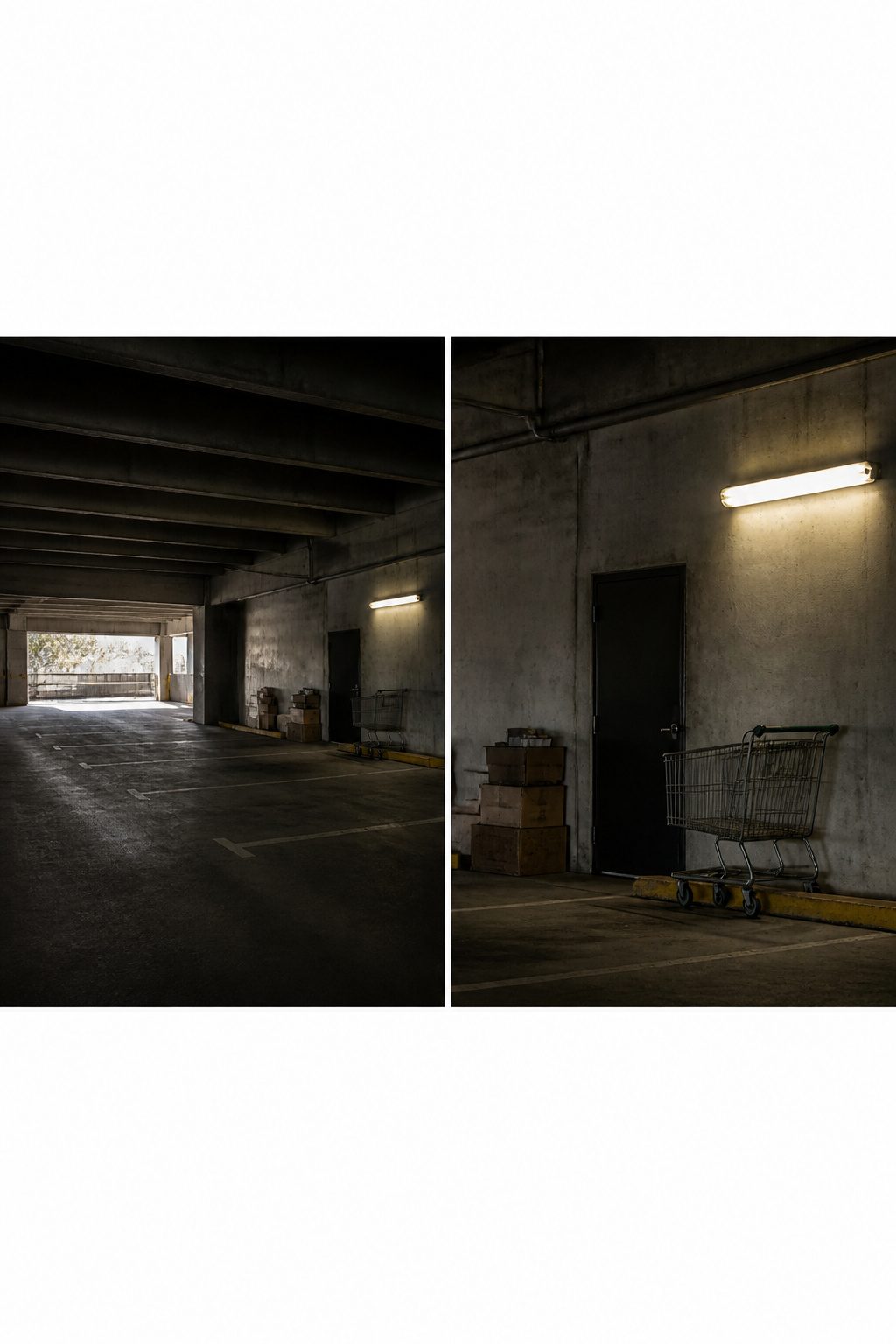
Sometimes the crowd fills every street you planned to use, and pushing through stops being an option. That is when finding the right shelter matters more than finding the fastest one.
A parking garage is usually better than it looks. Concrete walls give cover, the levels create multiple ways out, and most rioters ignore them for more obvious targets. Hotel lobbies work for the same reason: staffed, defensible, and full of side exits. Hospitals and government buildings can work too, though government facilities may have guards who refuse entry.
What looks safe often is not. Retail storefronts, coffee shops, any business with goods behind glass: those draw the people you are trying to avoid. The sources agree on this point, and it matches what crowd behavior studies show about looting patterns.
Once inside, move past the obvious rooms. A broom closet with a solid door beats an office with a window. If the door opens inward, a heavy object braced against it buys time. If it opens outward, look for a way to jam the mechanism or wedge the gap. Then stay quiet, stay away from the glass, and wait for the sound to pass.
6. Stay Informed Without Getting Distracted
Local news apps and city subreddits can give you a head start on where unrest is building, but the screen itself becomes a liability once you’re inside the situation. In 2020, I watched a protest turn two blocks from where I stood because a friend texted a screenshot from a neighborhood thread. That advance warning bought minutes that mattered. The same device, though, nearly walked me into a police line ten minutes later when I looked down to check another update.
Cash belongs in your pocket before you need it, because the moment networks congest or power cuts out, electronic payments fail and the coffee shop that could have been shelter becomes just another locked door. I keep a folded hundred and two twenties separate from my wallet, enough for a cab, a metro card, or water from a vendor whose Square reader has gone dark.
The balance is glance, then look up. Two seconds on the screen, five on the crowd’s shoulders and the gaps between bodies. Social media moves faster than official channels, but it also moves wrong, sending people toward blocked streets based on old photos. Trust what you can verify with your own eyes. The phone tells you where the trouble was; your peripheral vision tells you where it is now.
7. Keep an Exit Plan Ready

A mental escape plan starts before you reach the crowd. I scan every building I enter for the emergency exit signs, the ones that point toward back doors every retail location in this country is required to have. That rear door is your fastest line out when the front fills with bodies.
The trigger to leave is the moment you would not go there unarmed. Past riots caught people commuting home, running errands, no warning at all. By the time the shouting turns aggressive or objects start flying, the exits compress. Leave earlier than the people around you, even if you feel foolish walking away from what still looks like a normal afternoon.
If anyone is with you, agree on the signal beforehand. Mine is simple: we move toward the back door the instant either of us says the word. No discussion, no second look. In a group, hesitation spreads faster than panic. One person decides for both, or the plan fractures and you are separated in a surge you did not see coming.
8. Dress to Disappear
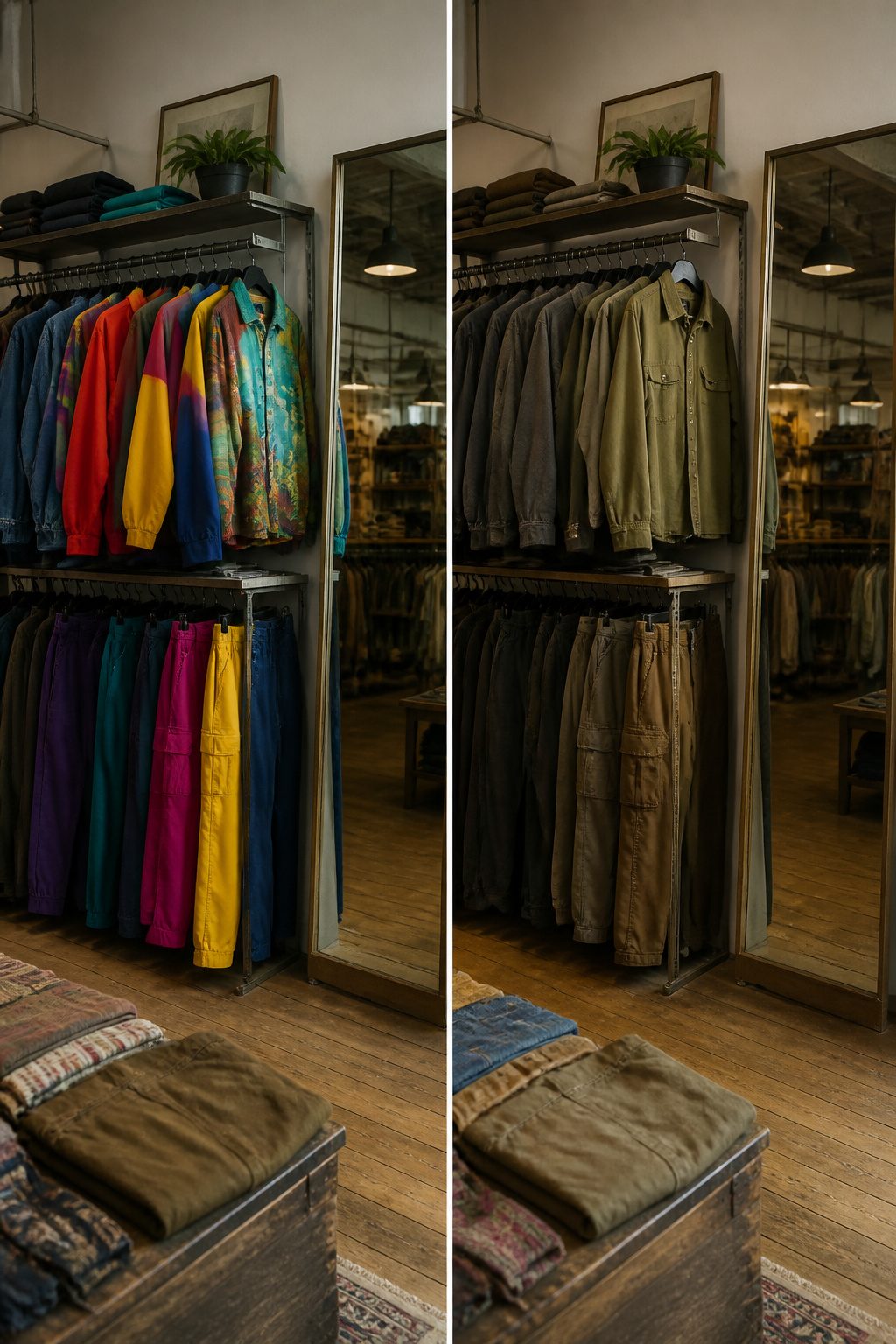
Neutral colors keep you alive in a crowd. I go with gray, brown, olive, or navy: nothing that matches police or military gear, nothing that reads protest uniform like an all-black hooded sweatshirt. Long sleeves and long pants cover skin without drawing eyes. A thrift-store outfit works better than anything branded or political; rioters remember symbols, and so do police.
If tear gas is a real risk, a basic pair of goggles and a mask beat bare eyes and lungs. Sources mention carrying a rinse solution too: half liquid antacid, half water, in a spray bottle if you can find one. It stings less than plain water on chemical exposure and keeps you moving when others are blinded. Toothpaste under the eyes works in a pinch, though it is a last resort, not a plan.
9. Carry What Actually Helps
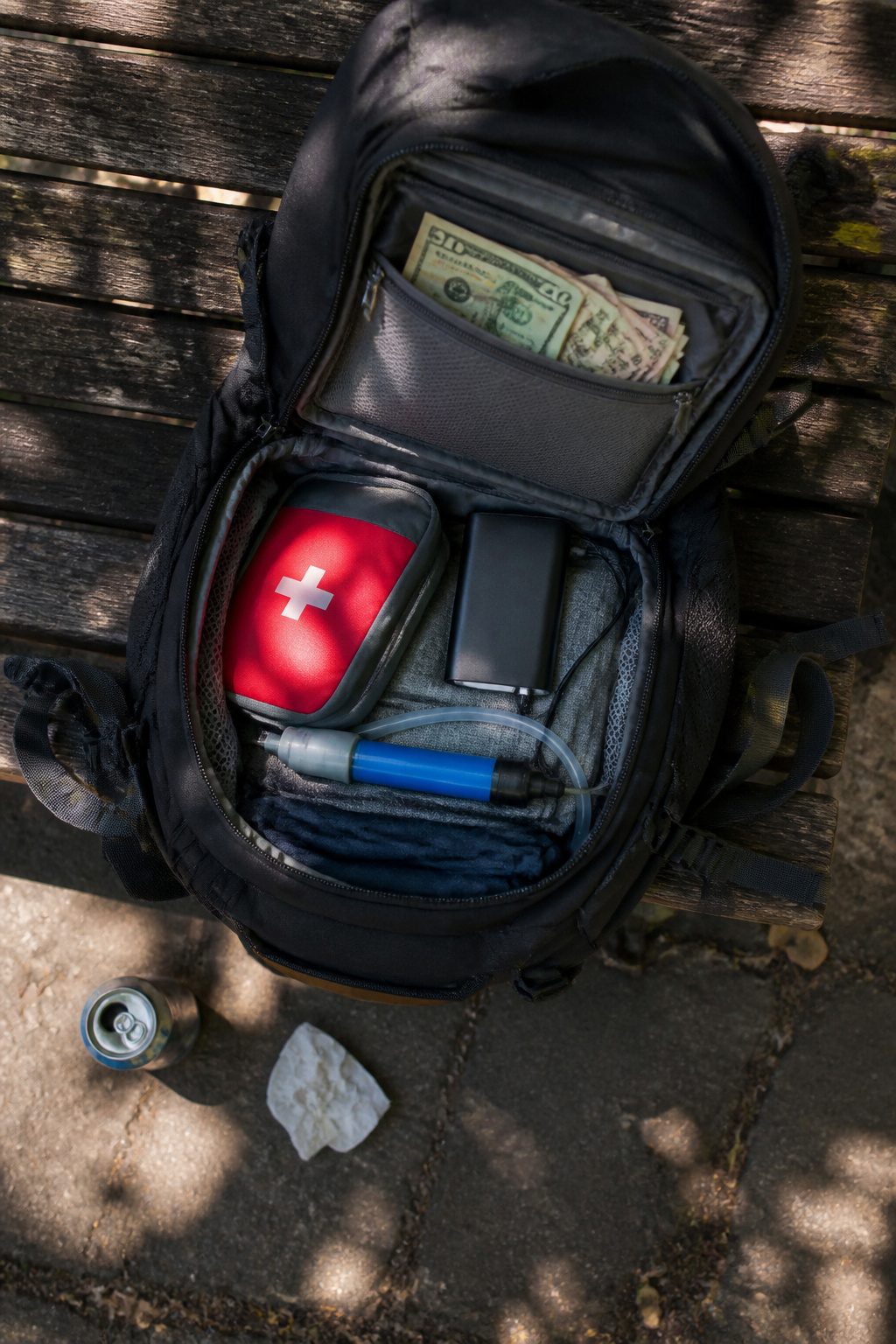
Cash still works when the card readers go dark. During the last round of unrest in my city, several blocks lost power for hours. The ATMs were useless, and the few stores still open took bills only. Carrying $100 to $200 in small denominations kept me fed and moving when others were stuck arguing with dead screens.
A charged phone matters for maps and coordination, but towers can overload or get shut down. A basic first-aid kit rounds out the three: pressure dressings, gauze, and saline rinse for eyes hit by tear gas or pepper spray. The rinse kept me functional once when smoke drifted from two streets over.
On firearms, the standard stays fixed. Deadly force requires an immediate, unavoidable threat of death or grave bodily harm. That bar does not drop because the crowd is loud or the night feels lawless. Local law governs whether you can possess one at all, and permit rules vary block by block in some cities. Know yours cold before you step out.
Warning Signs a Crowd Turns Violent
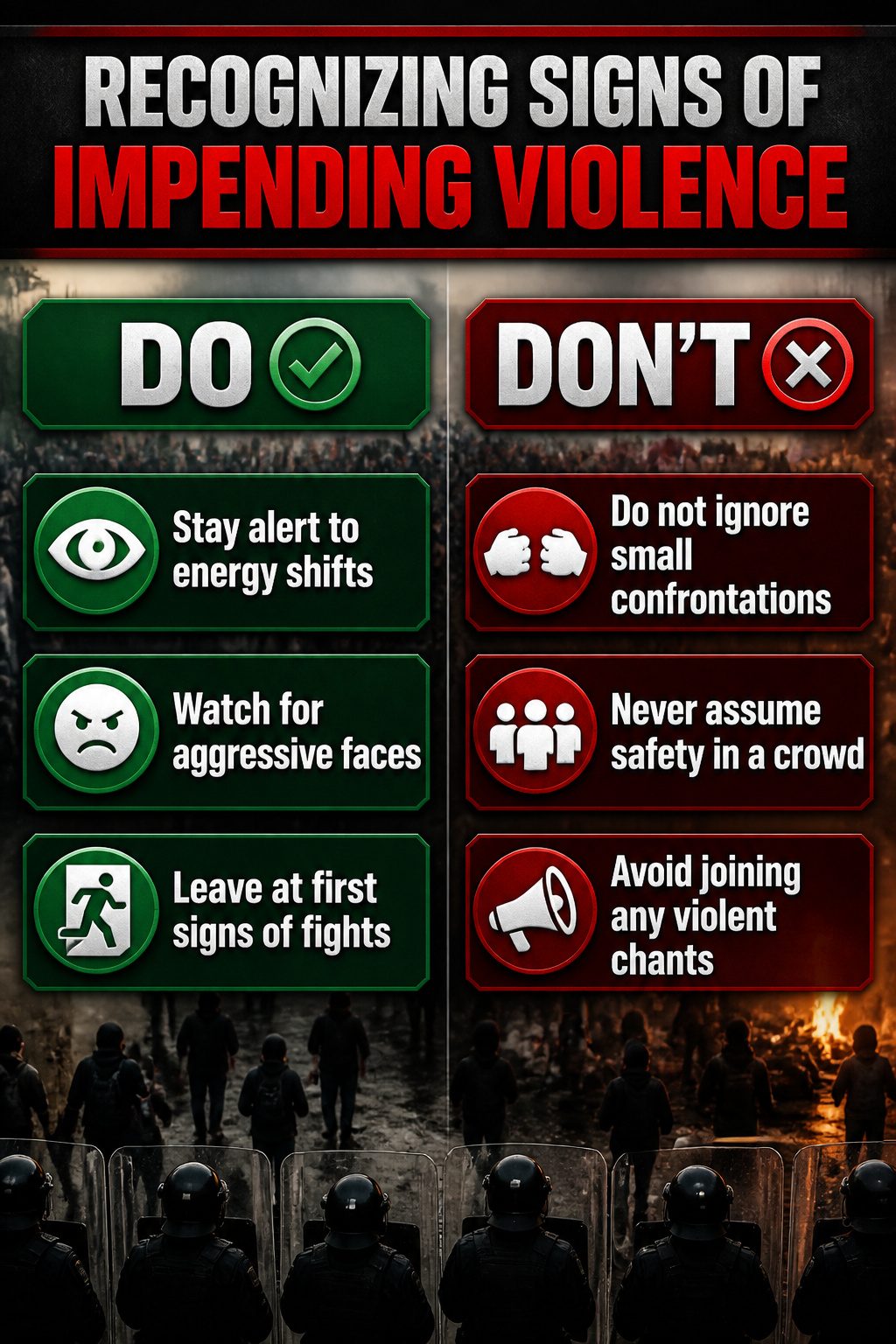
Crowds give off signals long before anything officially starts. The energy shifts first: voices tighten from chanting into something sharper, more repetitive, and faces turn toward confrontation rather than the original message. Little fights breaking out between protesters, or between protesters and police, are the biggest clue that a gathering is tipping into a riot. Those shoving matches escalate fast, and police beginning to form lines or make arrests means they expect trouble and will likely get it.
Objects thrown are harder to spot from inside the mass. You probably miss the first few. Once you see anything flying, more follows immediately: the broken window theory holds here perfectly. Masking up spreads through clusters. People who were standing still begin surging in waves, and the crowd’s movement becomes unpredictable rather than directional.
By the time chanting turns aggressive or bottles start flying, you are already late. The window for clean exit narrows to seconds. Watch the faces around you, not just the stage or the street ahead. Someone urging violence nearby, pushing into your space, or trying to whip up the people around them is a human alarm you cannot afford to ignore. Denial costs more than dignity here; curiosity keeps people in place until the crowd’s physics decide for them.
If Protestors Surround Your Vehicle
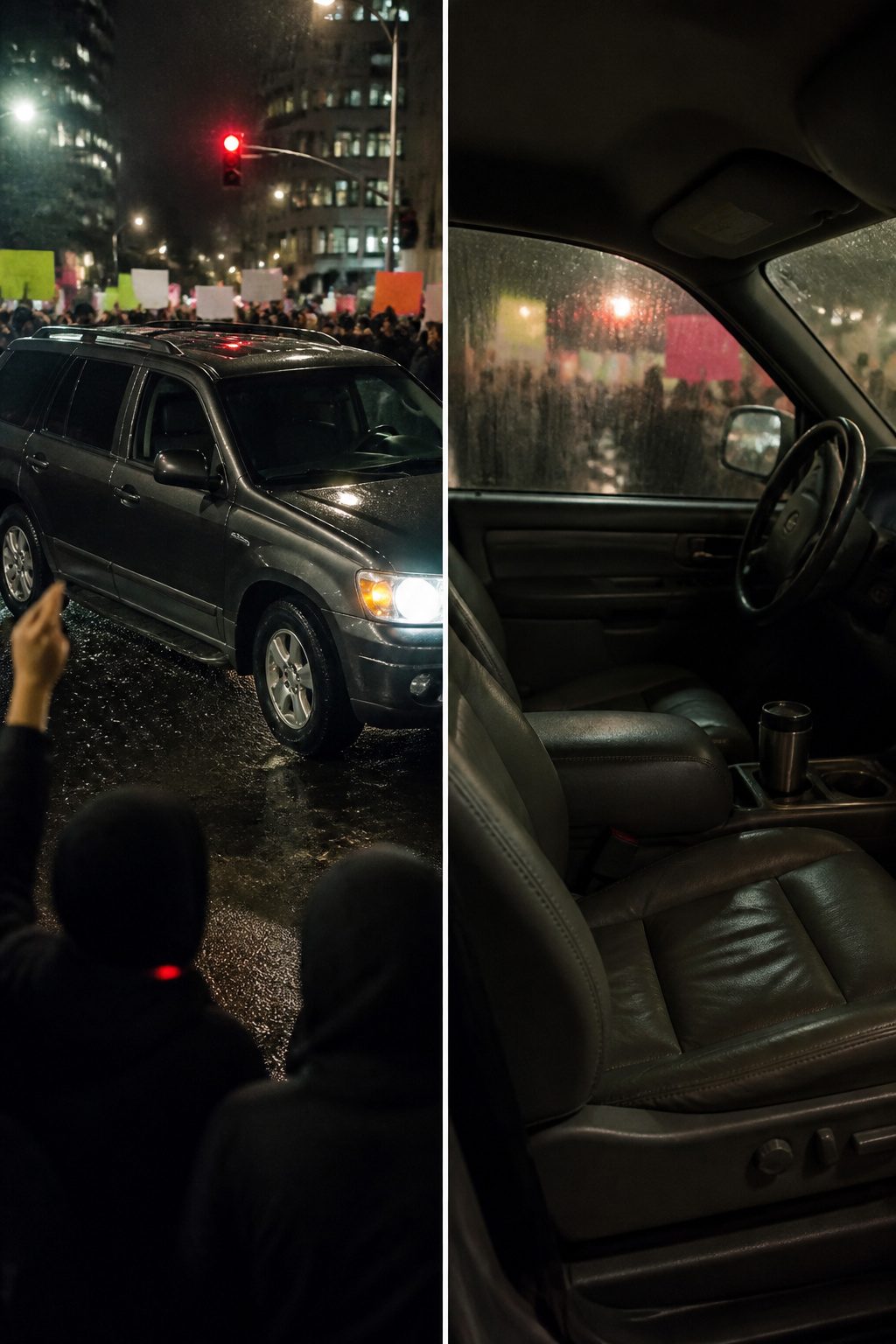
Locked doors and up windows are your first move, but the real test is what happens in the next ten seconds. I have sat in a truck surrounded by a crowd that shifted from chanting to rocking vehicles, and the memory that sticks is how fast calm becomes a decision you have to keep making. Drive slowly to escape only if you are in actual danger; anything faster turns you into the story the prosecutors tell later. Eye contact reads as challenge, gestures read as threat, and a visible firearm turns a tense moment into a countdown. Leave space in front of your bumper at every red light so you are never boxed in, and know whether your car will let you override its automatic shutoff if you need to move now. Record if you can, call 911 once you are clear, and accept that your car may take damage while you keep yourself out of a courtroom.
What I Keep in My Go Bag
A go bag lives or dies by the gap between what you packed and what you actually pull out. Mine started heavy, learned the hard way, and settled somewhere lighter.
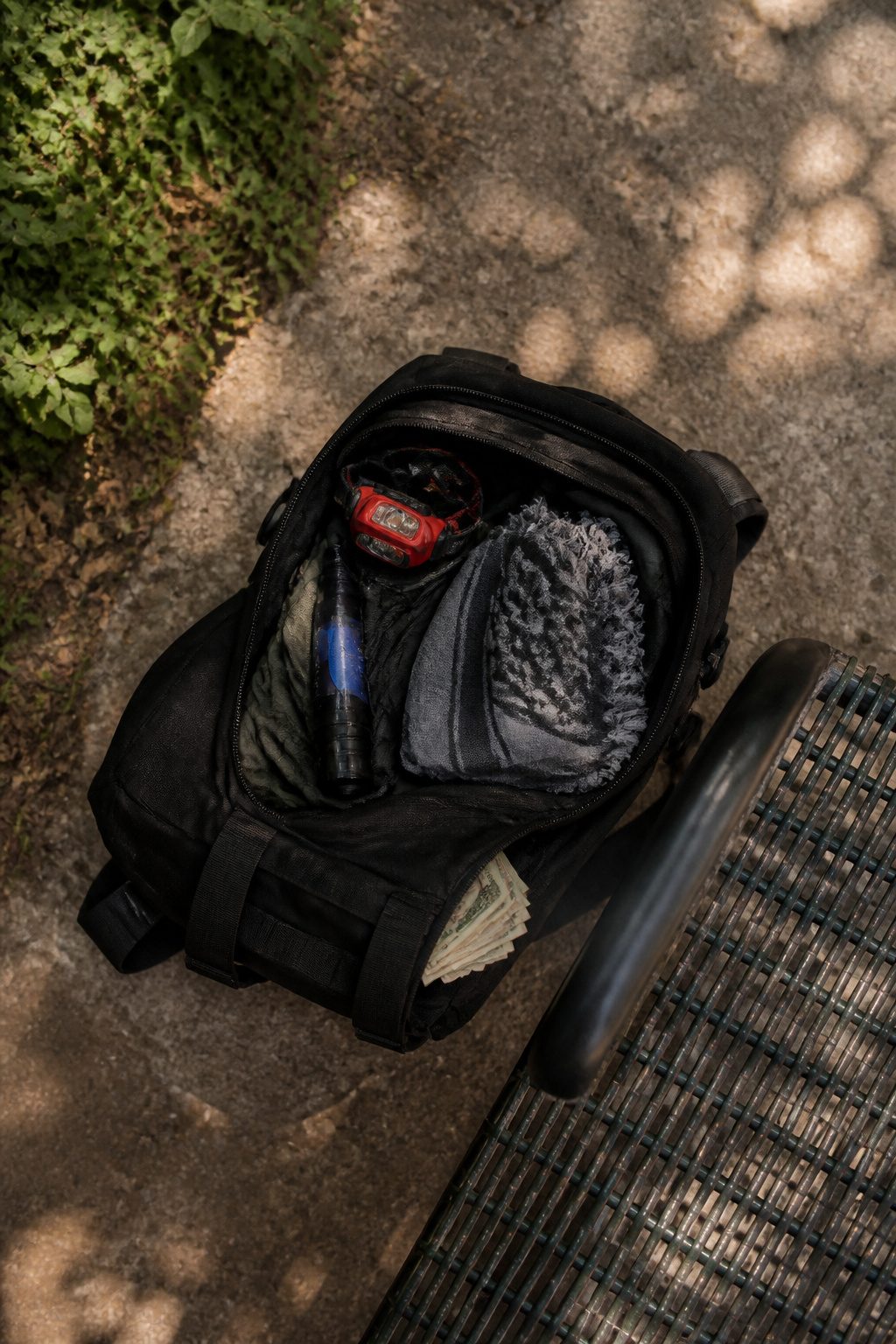
The first cut was the full first-aid kit. A few gauze pads, a roll of tape, and a tourniquet now; anything more serious and you are not the one treating it in a moving crowd. Water went next, replaced by a Sawyer Mini filter and a collapsible bottle. The filter weighs almost nothing and turns a fire hydrant or park fountain into something drinkable. That swap alone dropped half a pound.
What stayed: a shemagh for dust, smoke, or camera shielding; a compact headlamp with red mode; cash in small bills, because cards fail when networks choke; and a battery brick, the smallest Anker that still runs a phone flat to full twice. The shemagh has seen use. The headlamp has seen use. The cash sat untouched through three close calls and one bad night in 2020, then bought a ride out of a dead-zone neighborhood when ride apps went dark.
The bag itself is a ten-liter sling, worn cross-body so both hands stay free. Anything larger tempts you to fill it. The weight now sits around three pounds, and that limit forces honest choices every time something new looks useful.
How Police Lines See You
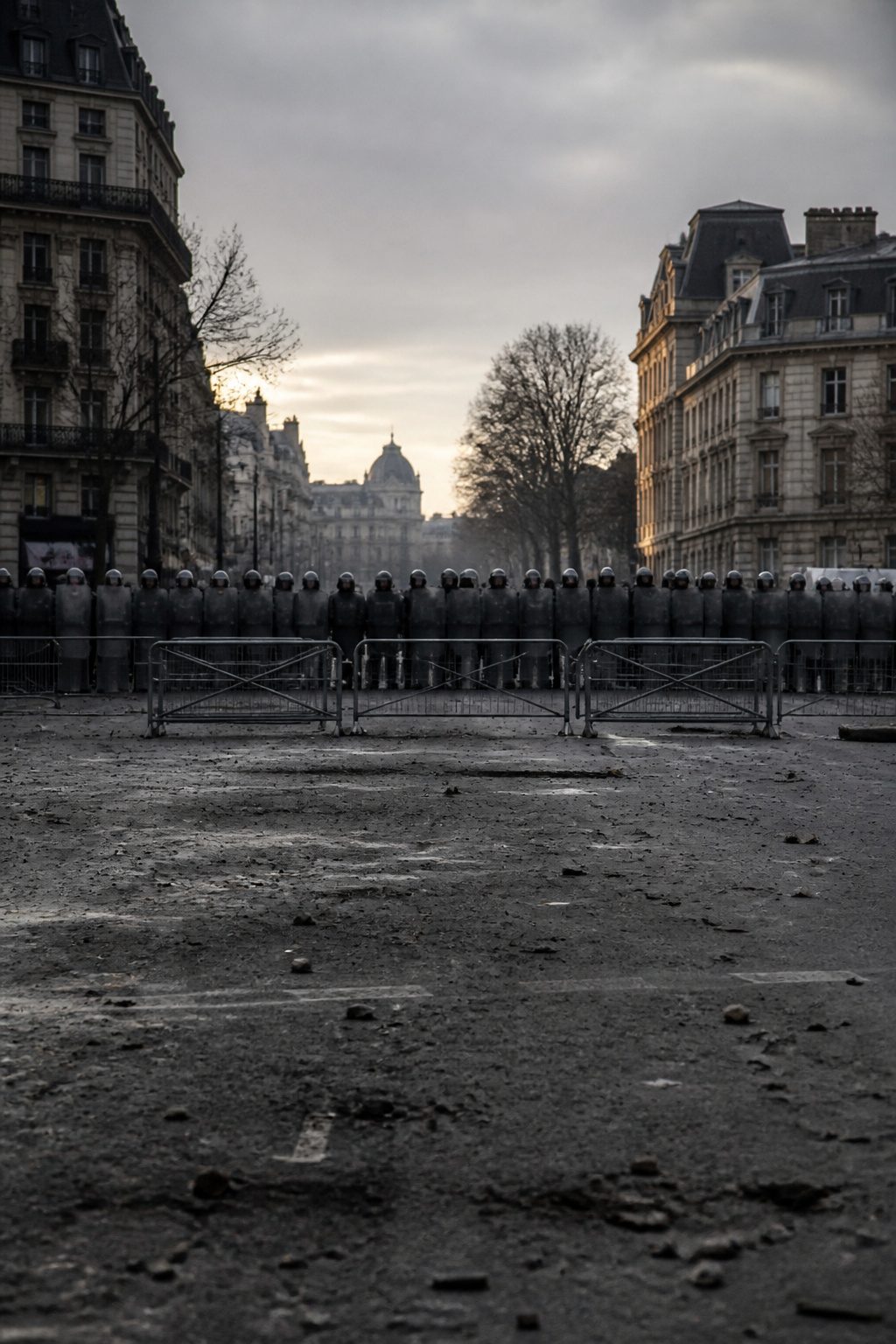
Police lines during a riot are not help desks. The officers behind the shields cannot sort protesters from bystanders, and they are not trying to. A brick thrown from somewhere in the crowd has already hit one of them. From their position, every body in front of the line is part of the same threat.
Movement is what triggers them. Run toward a police line and the response is kinetic: baton strikes, shield pushes, less-lethal rounds, gas. Once a line starts advancing, it does not steer around individuals. The mass of bodies and equipment rolls forward, and anyone who stays down gets stepped on, then cuffed and sorted later. Medical attention waits until the area is secure, which means it waits.
If contact is unavoidable, keep your hands visible and your pace slow. The boxer-guard position, hands up by the chest, reads better than hands in pockets or behind your back. Approach from an angle, never head-on, and never from behind the line where cover officers watch for flanking.
Timing matters more than posture. Early in a standoff, officers are still processing; their adrenaline is high but their line is static. Once the order to advance comes, the window for individual recognition closes. The command posture shifts from containment to clearance, and clearance treats everything in the path as debris to be moved.
Frequently Asked Questions
How can I stay safe during a riot or protest?
Avoid the area entirely if you can. If you are caught unexpectedly, stay calm, breathe slowly to keep your thinking clear, and look for exits at a 45 or 90-degree angle off the crowd’s flow rather than pushing against it. Move with purpose but not panic, and dress in neutral, forgettable clothing that does not match any uniform or political affiliation.
What should I do if protestors surround my vehicle?
Lock your doors and roll up your windows immediately. Drive slowly to escape only if you are in actual danger; anything faster can turn you into a legal target later. Keep your hands visible, avoid eye contact or gestures that read as challenge, and leave space at red lights so you are never boxed in. Call 911 once you are clear, not while you are still in the crowd.
How can you tell when a crowd is about to turn violent?
Watch for little fights breaking out between protesters or between protesters and police; those are the biggest clue a gathering is tipping into a riot. Other signals include objects being thrown, voices shifting from chanting to something sharper and more repetitive, people masking up in clusters, and sudden surging waves of movement. By the time bottles fly or chanting turns aggressive, your window for clean exit has already narrowed to seconds.
Does self-defense law change during riots or civil unrest?
No. The legal standard for self-defense stays exactly the same: deadly force is justified only when you reasonably believe you face an immediate, unavoidable threat of death or grave bodily harm. That bar does not drop because the crowd is loud or the night feels lawless. Local laws on possession and permits still apply block by block in some cities, so know yours cold before you step out.