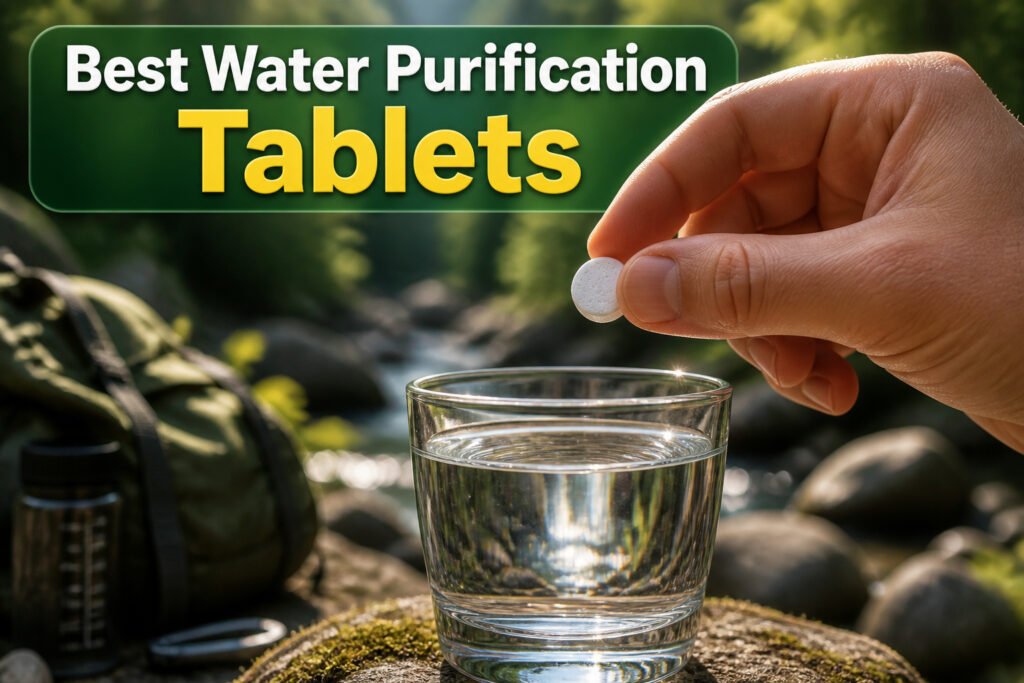
Aquamira drops win for anyone who needs clean water in twenty minutes, not four hours. That speed comes from a two-bottle chlorine dioxide mix that demands attention to steps and timing; skip them if you want one tablet dropped and forgotten.
1. Fastest Purification in the Backcountry
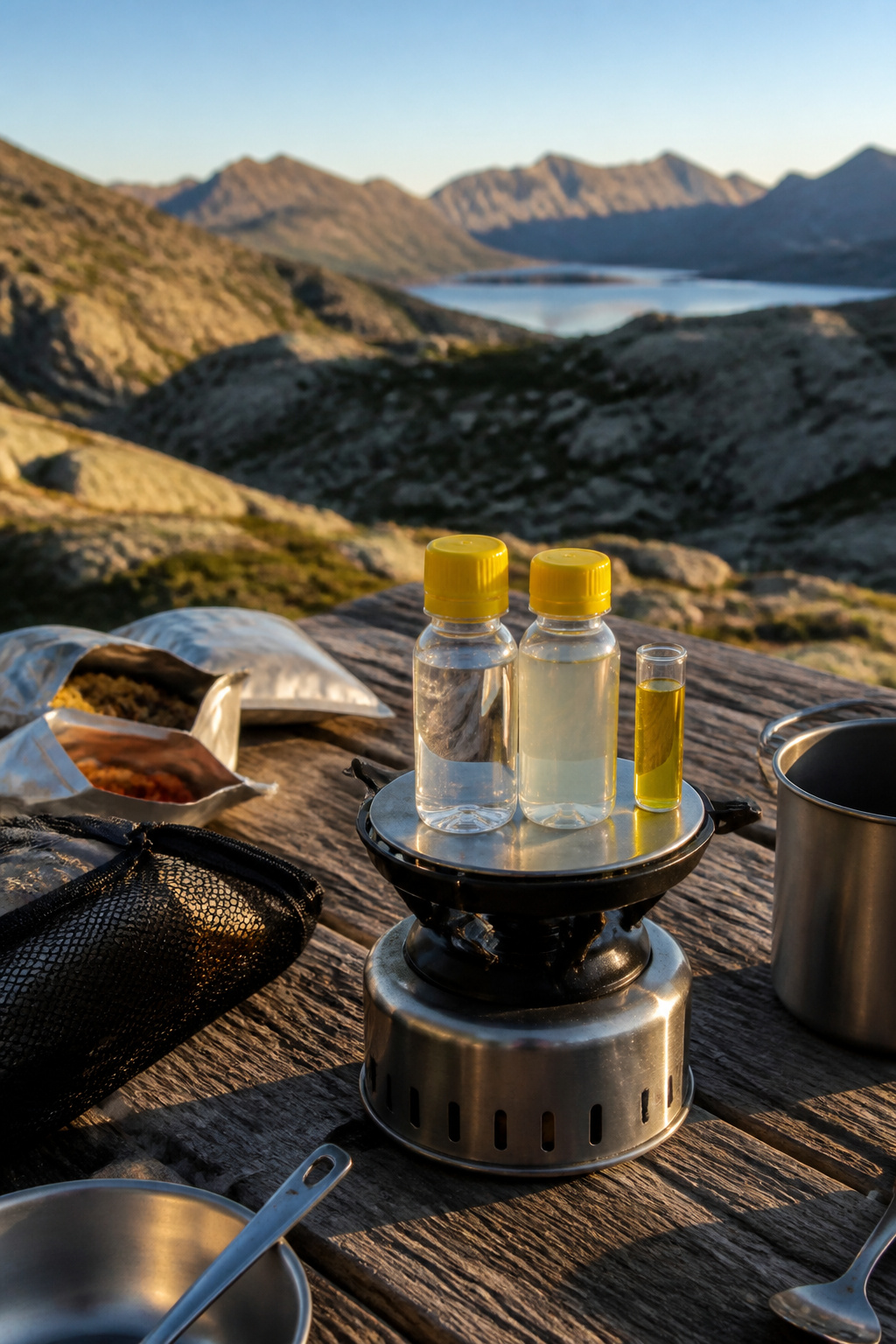
Aquamira drops earn their place in a pack by doing what no tablet manages: 20 minutes from mix to mouth, four times faster than the next closest option. The active ingredient is chlorine dioxide, produced on the spot by combining seven drops from a Part A bottle with seven drops from Part B in the larger cap. Five minutes of reaction turns the mixture bright yellow; pour it into a liter, wait fifteen more, and the water is ready.
The taste profile is the cleanest of the field. Most users detect nothing at all, though a few pick up a slight aftertaste. Cost runs 50 cents per liter, middle of the pack but not painful for the speed.
The process is where friction lives. Two small bottles, a mixing step, a wait you cannot skip, and a prohibition on pre-mixing before you leave the trailhead. Cold water needs agitation, shaking or stirring, which costs body heat and time when both matter. Squeeze bottles can leak if packed wrong, and the caps are small enough to vanish into a pack’s corners.
Skip these if one-step simplicity is non-negotiable or if your organization system cannot account for bottles the size of lip balm. For the patient or the home-kit builder, the speed and the near-absent taste are hard to match.
2. Lightest Weight for the Long Haul
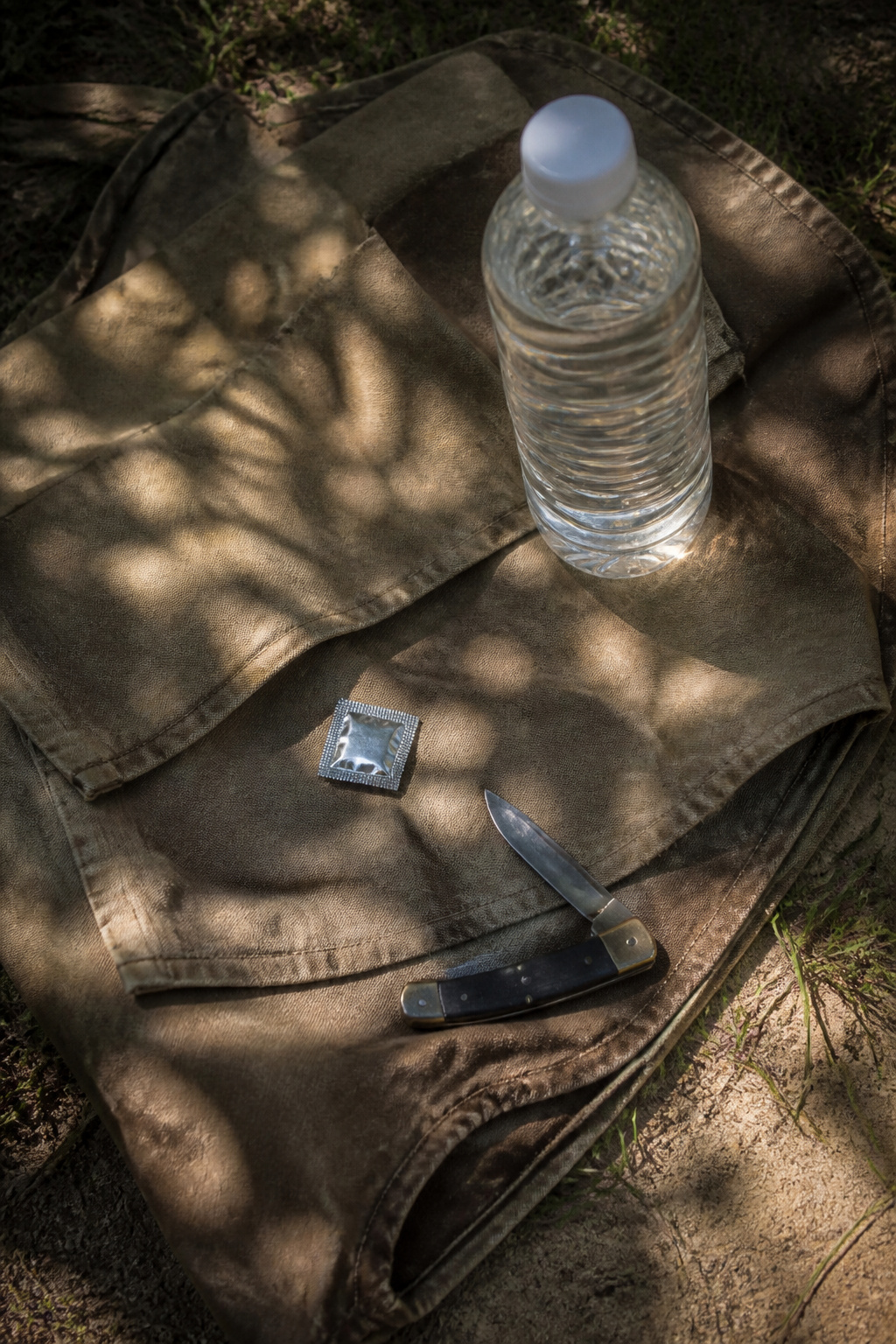
Sodium dichloroisocyanurate is the active ingredient in Aquatabs, and the chemistry works in a controlled way that releases chlorine gradually rather than all at once. That matters for long-term use, since the steadier release keeps free chlorine levels lower than pouring household bleach into a bottle. Each tablet treats 2 liters of clear water or about 0.8 quarts if the source is cloudy, and the 30-minute wait time is among the faster options for this class of purifier.
The cost breaks down to roughly 12.5 cents per liter when you buy at the typical pack price of $14.95. Shelf life is five years, and the individual foil wrapping helps you carry only what you need without the whole batch degrading in humidity.
The protection profile is where the weight savings come with a tradeoff. Aquatabs handle bacteria, viruses, and giardia, but cryptosporidium survives the treatment. In backcountry areas where livestock or wildlife contaminate water with protozoan cysts, that gap matters. The chlorine taste is also present and noticeable, though some users find it milder than straight bleach. Skip these if you are in a high protozoan-risk region or if any chemical flavor in your drinking water ruins your day.
3. Protozoan Protection When Time Allows

Katadyn Micropur’s chlorine dioxide tablets hit the widest target of any option in this list: bacteria, viruses, and the protozoan cryptosporidium that slips past iodine and standard chlorine. The cost of that coverage is time. Four hours of waiting before the water is actually safe to drink, which rules out anything dynamic. A day hiker counting miles can’t stop at noon for water that won’t be ready until dinner. Neither can someone who wakes to a boil order and needs a glass for their morning medication.
The taste lands in the fair range, not chemical-sharp but not neutral either. Each treated liter runs about 53 cents, making Micropur the most expensive option here by a noticeable margin. The foil-wrapped tablets keep for five years, so they suit a kit you stash and mostly forget: home emergency storage, a vehicle glove box, a basement shelf next to the weather radio. Rotate them on schedule. If fast access matters more than protozoan protection, this is the wrong tool, and the budget-focused prepper gets more liters per dollar elsewhere.
4. Indefinite Shelf Life for the Forgotten Kit
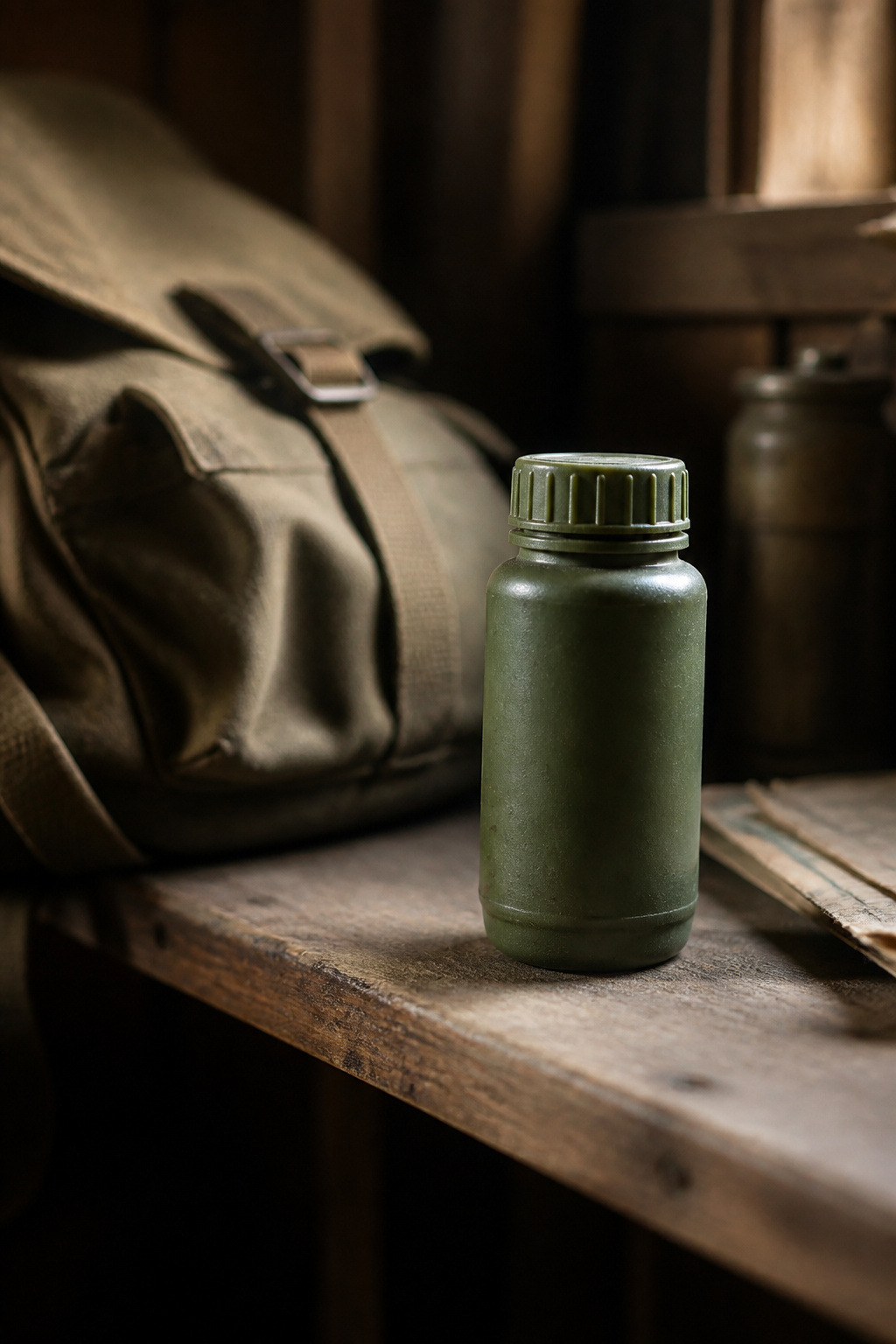
Potable Aqua still runs on tetraglycine hydroperiodide, the iodine compound that made "water purification tablets" synonymous with a chemical tang most people remember from old backpacking kits. The indefinite shelf life if left unopened is the real draw here: no other option on this list stays viable a decade later, which matters when you’re stocking a kit you plan to forget about.
Thirty minutes treats a liter at roughly 43 cents, and that wait kills Giardia. Cryptosporidium survives it, though, so North American backcountry users in particular should look elsewhere. The iodine taste is genuinely bad, enough that neutralizing tablets exist for a reason. Some bottles linger with the smell permanently.
Iodine should be allowed at least 30 minutes to kill Giardia.
That minimum is non-negotiable in cold or cloudy water.
Skip these entirely if you have thyroid issues, if you’re pregnant, or if you’re in any area where cryptosporidium is a known risk. The 8 milligrams per tablet adds up fast over multiple liters or multiple days, and current guidance keeps daily iodine intake around one milligram.
5. Cheapest Liter from the Hardware Store

Household bleach runs about 0.05 cents per liter treated, which makes every water purification tablet on the market look like a luxury purchase. A standard 81 fluid ounce jug of unscented plain sodium hypochlorite handles roughly 14,000 liters, and most households already keep a bottle under the sink or in the laundry room.
The EPA recommends two drops of 8.25% sodium hypochlorite per liter of clear water, doubled if the water is cloudy or very cold, then a covered 30-minute wait. The water should carry a slight chlorine odor afterward; if it does not, the dose gets repeated and the wait extends another 15 minutes. Leaving the container open afterward helps with the taste, though "helps" is generous. The flavor is poor and unmistakable.
Shelf life is the hidden cost. Bleach degrades in roughly six months and is generally unreliable past a year, which means rotation, not stockpiling. Long-term use is not recommended either; this is an emergency bridge, not a daily drinking water plan.
Skip this if precise measuring feels risky, if the packout weight of a jug defeats the purpose, or if the residual taste is a dealbreaker even when the alternative is thirst. For some, the math is unbeatable. For others, the math does not matter if the result sits undrinkable in the canteen.
Active Ingredients and What They Kill
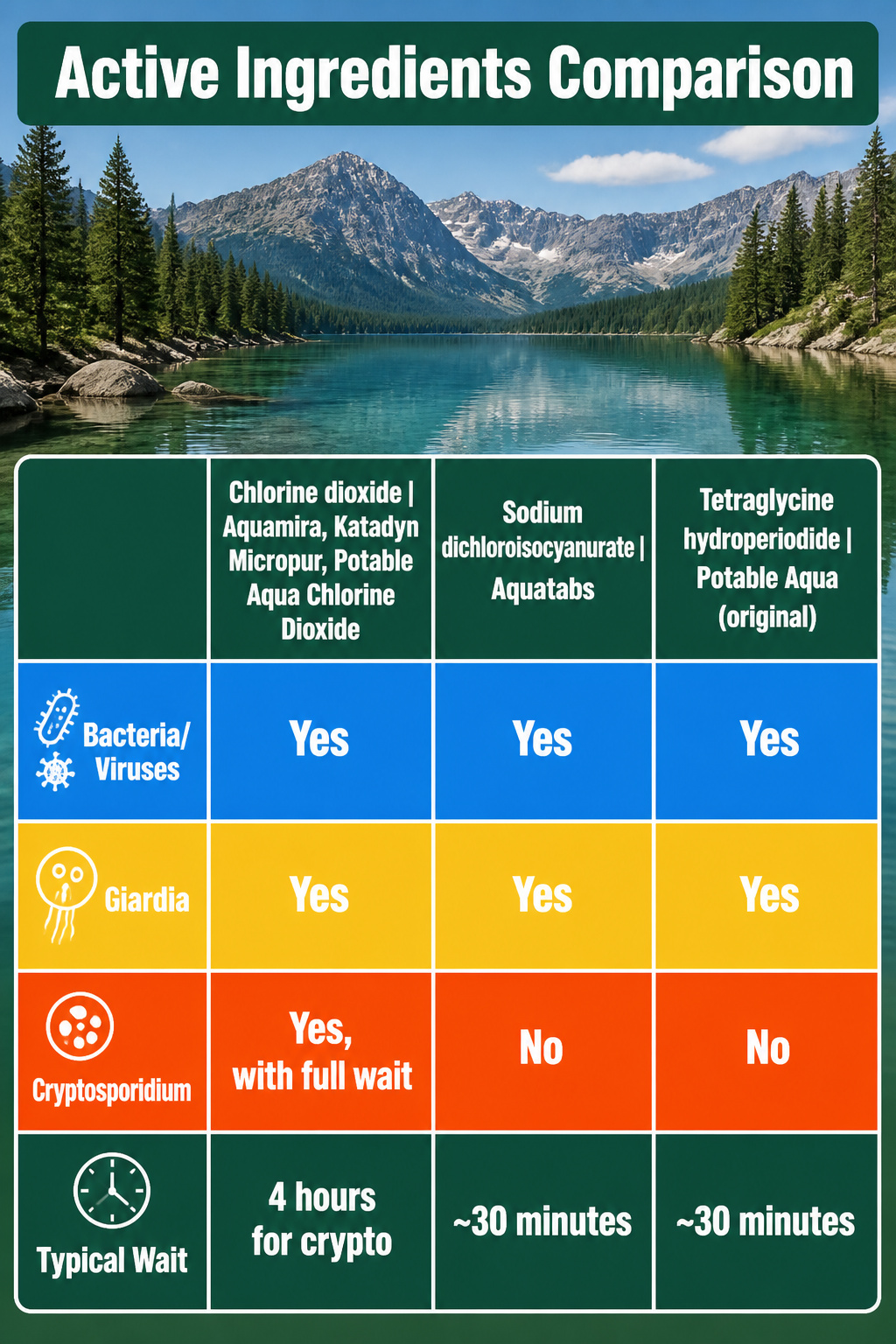
Chlorine dioxide, sodium dichloroisocyanurate, and tetraglycine hydroperiodide do not kill the same things on the same schedule. The differences matter enough that carrying the wrong tablet for your water source is a real risk.
Iodine-based tetraglycine hydroperiodide, the active ingredient in Potable Aqua, handles bacteria, viruses, and Giardia well enough. Against cryptosporidium, though, it fails completely. The protozoan’s thick oocyst wall shrugs off iodine, which is why chlorine dioxide exists as the upgrade path.
That upgrade is not free in time. Chlorine dioxide, found in Aquamira and Katadyn Micropur, needs roughly four hours of contact time to inactivate cryptosporidium. The same ingredient works faster against bacteria and viruses, but the four-hour wait is the price of that broader protection. Aquamira can be effective in as little as 20 minutes for less demanding pathogens.
Sodium dichloroisocyanurate, the core of Aquatabs, releases chlorine in a controlled way. It covers bacteria, viruses, and Giardia, matching iodine’s range while avoiding iodine’s taste issues. It does not touch cryptosporidium either.
| Ingredient | Found In | Bacteria/Viruses | Giardia | Cryptosporidium | Typical Wait |
|---|---|---|---|---|---|
| Chlorine dioxide | Aquamira, Katadyn Micropur, Potable Aqua Chlorine Dioxide | Yes | Yes | Yes, with full wait | 4 hours for crypto |
| Sodium dichloroisocyanurate | Aquatabs | Yes | Yes | No | ~30 minutes |
| Tetraglycine hydroperiodide | Potable Aqua (original) | Yes | Yes | No | ~30 minutes |
For backcountry trips in North America, Giardia is the usual threat and any of these three works. International travel or known crypto risk changes the calculation entirely. Only chlorine dioxide covers that base, and only if you plan the wait into your day.
Treatment Times That Range from 20 Minutes to 4 Hours
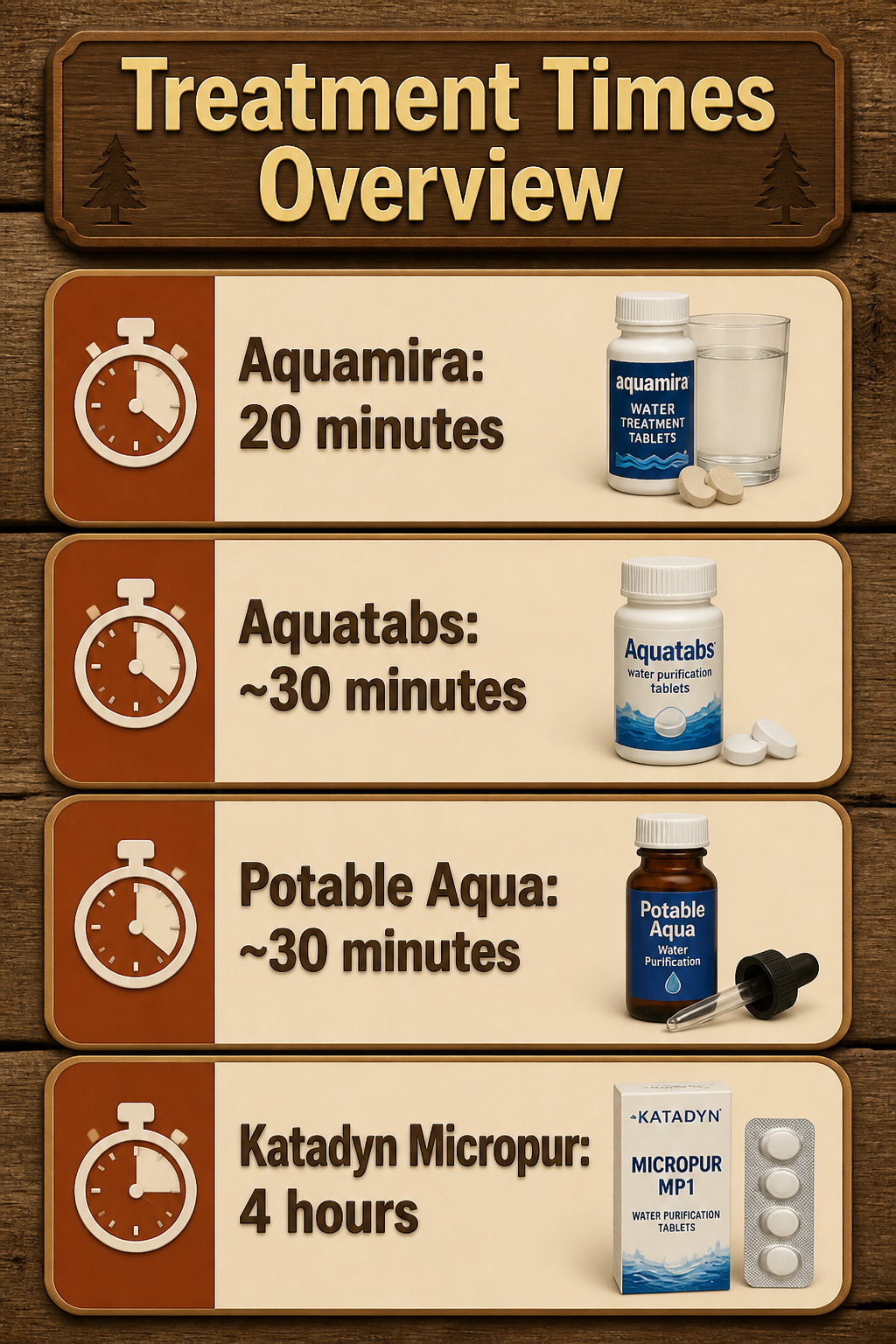
Aquamira hits the 20-minute mark for basic bacterial and viral protection, the fastest of the chlorine dioxide tablets I looked at. Aquatabs, standard Potable Aqua, and household bleach all settle around 30 minutes for their standard claims. Then the timeline stretches hard: Katadyn Micropur MP1 needs 4 hours for full cryptosporidium protection, and that gap exists because the EPA requires proof of cyst inactivation that chlorine dioxide achieves only with extended contact time.
The active ingredient dictates the wait. Chlorine dioxide at standard doses knocks out bacteria and viruses quickly but needs hours to crack cryptosporidium’s tough outer shell. Iodine-based Potable Aqua moves faster at 30 minutes precisely because it does not touch crypto at all. The same tradeoff shows in Aquatabs, which also stop at bacteria and viruses.
Drinking early is where mistakes get real. One tester tried Aquamira at the 2-hour mark and got a face full of chemical burn, nose hairs included. The water still carried active chlorine dioxide at concentrations meant to finish the job, not to meet a human. For Micropur, cutting the 4-hour window means crypto survives, and that particular protozoan is common enough in North American backcountry water to matter. The tablet’s individual foil packaging and 5-year shelf life do not help if impatience overrides the timer.
Shelf Life and the Math of Rotating Stock
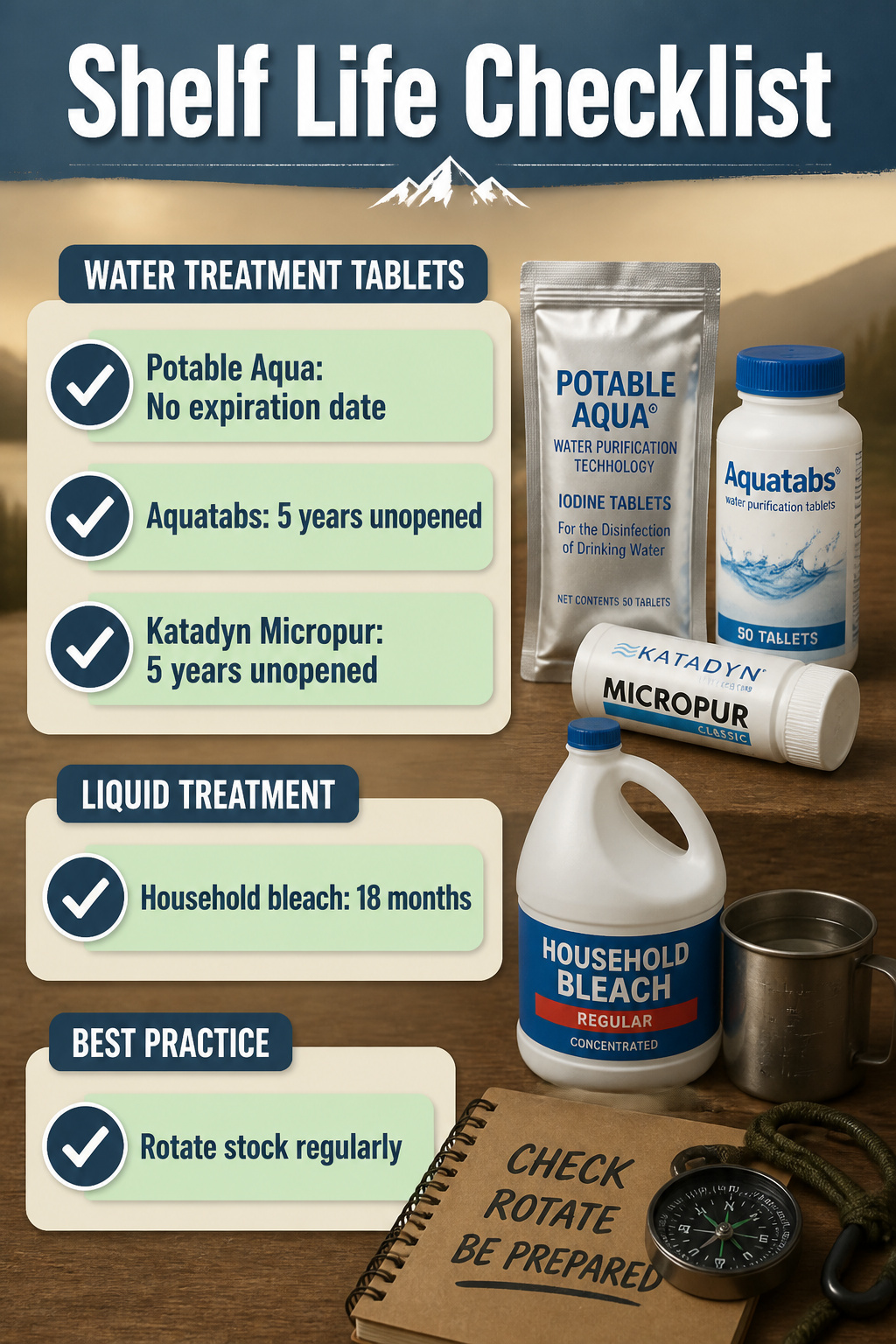
Potable Aqua’s iodine tablets sit in a foil pouch with no expiration date while sealed, which matters more than you’d think for a kit you stash behind the water heater and forget. Aquatabs and Katadyn Micropur both clock five years unopened, still generous but not the same set-and-forget reliability. Household bleach degrades in about 18 months from manufacture, making it a rotation headache unless you’re already cycling through laundry jugs on schedule.
Heat and humidity chew through those timelines faster than the packaging admits. A basement that hits 80 degrees in August or a garage kit that freezes through January both cost you months, maybe years. Individually wrapped tablets help, since opening a bottle starts a one-year countdown whether you use one tab or fifty.
Cost-per-liter flips the long-term math. Bleach runs cheapest at the register, around $6 for roughly 14,000 liters treated, but factor in replacement every year and a half and the savings thin out. Aquatabs at $12 for 50 liters looks pricier upfront until you realize you’re not pouring half a jug down the drain because it hit its 18-month wall. For the kit you hope never to open, paying a few cents more per liter to avoid the calendar reminder is the smarter tax.
Taste and the Tablets That Fix It

The taste spectrum for water purification tablets runs wider than most people expect before their first use. Aquamira sits at the friendlier end with a relatively mild chemical profile, while straight iodine tablets like Potable Aqua’s single-tablet version leave that sharp, metallic aftertaste that can make drinking feel like a chore. Household bleach treated to similar concentrations tastes worse still, which is why backpackers who test both usually move toward purpose-built tablets.
The two-tablet system fixes what one tablet breaks. Potable Aqua paired with its PA+Plus neutralizing tablet strips out both the iodine flavor and the yellow tint, leaving water that looks and drinks close to plain. The neutralizer goes in after the 35-minute purification wait, not at the same time. Chlorine-based treatments can also be improved by letting the water sit exposed to air, which allows some of the chemical to evaporate off.
A chemical taste does not mean the treatment failed. In fact, that sharpness usually confirms the active ingredient is present and working. The taste to worry about is something else entirely: sulfur, rot, or mud, which signals the source water had problems the tablet was not designed to solve. Effectiveness and palatability run on separate tracks. A tablet that tastes harsh may still be the safer choice in water thick with Giardia, while a pleasant-tasting method that skipped a required wait time leaves you hydrated and sick.
For emergency-only kits, taste matters less than speed and shelf life. For a week-long trip where these tablets replace a filter entirely, testing a single dose at home costs little and saves the mistake of discovering the flavor on day one in the backcountry.
When DIY Bleach Makes Sense and When It Does Not
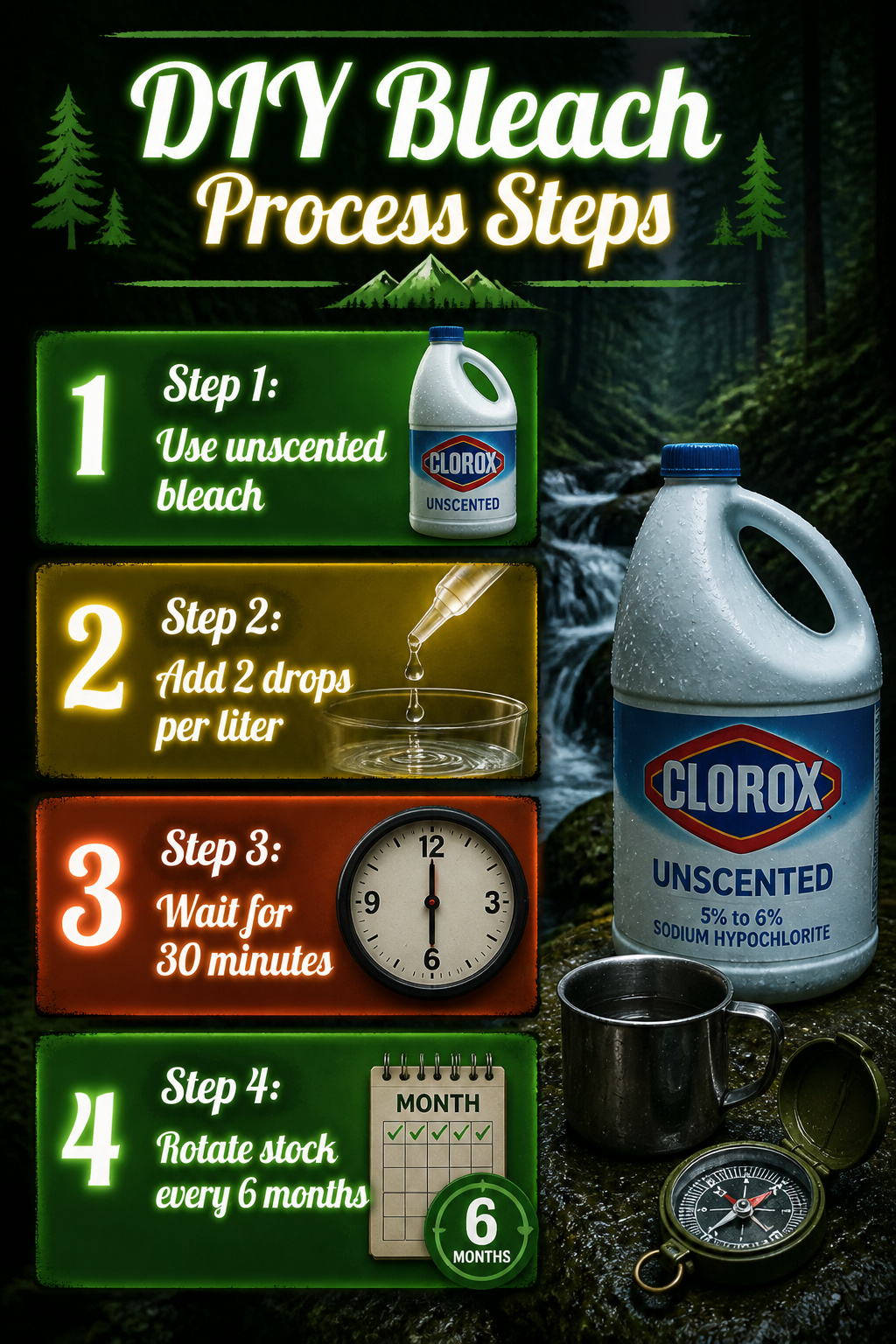
Household bleach sits in almost every laundry room, which makes it the default backup when water purification tablets run out. The right bottle is 5% to 6% unscented sodium hypochlorite, and the dose is small: two drops per liter of clear water, four if the water is cloudy or cold, then a 30-minute wait. An 81 fl. oz jug of standard Clorox runs about $6 and theoretically treats roughly 14,000 liters, which sounds like a lifetime supply until you notice the degradation problem.
Liquid bleach starts losing strength within six months and is largely unreliable after eighteen. That 14,000-liter figure assumes fresh product, so the math only works if you rotate stock through laundry loads and replace jugs twice a year. Taste is another issue; the chlorine hit is sharp, and neither the EPA nor anyone else recommends bleach as a long-term drinking solution. It also will not touch Cryptosporidium, though it handles Giardia better than iodine does.
Bleach earns its keep as an emergency bridge, not a plan. When tablets are gone and boiling is impossible, a fresh jug with the right concentration buys you treated water in half an hour. Just mark the purchase date on the cap and cycle it like milk, not ammunition.
Frequently Asked Questions
How long does it take for water purification tablets to work?
Most water purification tablets need about 30 minutes. Aquamira works faster at 20 minutes for basic protection, while Katadyn Micropur needs four hours to fully eliminate cryptosporidium. The wait depends on which pathogens you’re targeting and which active ingredient the tablet uses.
Can you use water purification tablets long term?
Chlorine dioxide, found in Aquamira and Katadyn Micropur, is safe for extended use. Chlorine-based options like Aquatabs and household bleach work better as short-term or emergency solutions, not daily drinking water plans. Iodine tablets such as Potable Aqua carry additional health concerns for prolonged use, especially for anyone with thyroid issues.
Which water purification method is best?
The right choice depends on what you value most. Aquamira wins on speed and taste, Aquatabs on weight and cost per liter, Katadyn Micropur on pathogen coverage, Potable Aqua on shelf life, and household bleach on upfront price. Match the method to your trip length, water source risks, and tolerance for chemical flavor.