The Coast WPH34R is the headlamp I would hand someone who only wants to buy once. 2000 lumens, 36 hours of runtime, and an IP68 rating that survives full submersion in a 4 oz package covers enough ground that most buyers can stop reading here.
Unless they run at night, in which case that same 4 oz bounces and chafes where the 3 oz Black Diamond Spot 400 disappears on the head. Or unless they count every ounce in a backpack, where the Zebralight H600w Mk IV pushes 1400 lumens from 4.4 oz of aluminum that owners say survives drops cracking plastic housings. The catch with that one is 2.9 hours on high; spare cells become mandatory math on multi-night trips.
My Top Picks
| Product | Award | Best for | Why it won | ||
|---|---|---|---|---|---|
| Coast WPH34R | Best Overall Headlamp | Anyone wanting one headlamp that does it all | Bright enough for any task yet comfortable enough to wear for hours | Check price | |
| Petzl Tikkina | Best Budget Headlamp | First-time buyers or occasional users on tight budgets | Delivers reliable light and comfort without the premium price tag | Check price | |
| Black Diamond Storm | Best Waterproof Headlamp | Frequent users in rain, boats, or wet climates | Built specifically to handle downpours and splashes without missing a beat | Check price | |
| Zebralight H600w Mk IV | Best Ultralight Headlamp | Backpackers counting every ounce in their pack | Remarkably bright light from a headlamp that barely tips the scale | Check price | |
| Surefire Maximus | Best High-Performance Headlamp | Rescue workers and extreme-condition adventurers | Engineered to survive harsh abuse while pumping out intense, reliable light | Check price | |
| Black Diamond Spot 400 | Best Headlamp for Running | Runners who need stable, bounce-free illumination | Stays snug and comfortable at speed with plenty of light for the trail | Check price | |
| Petzl Actik Core | Best Headlamp for Camping | Weekend campers who dread dead batteries | Recharges easily at camp so you are never stuck fumbling in the dark | Check price | |
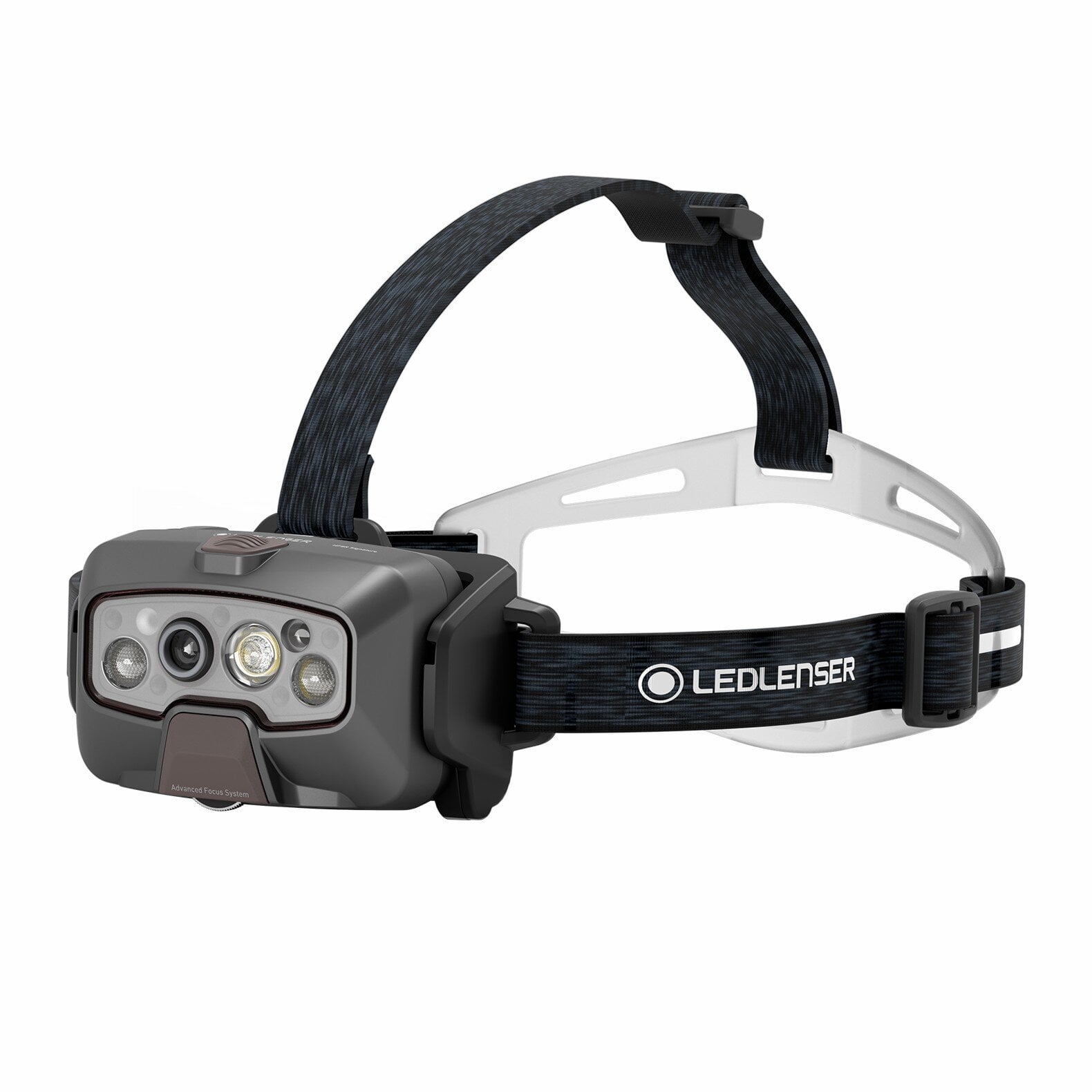
| Ledlenser HF8R Signature | Best Headlamp for Technical Activities | Climbers and cavers who cannot afford failure | Packs cutting-edge features and rock-solid reliability for demanding situations | Check price | |
| Armytek Wizard C2 PRO MAX | Best Versatile Headlamp | Travelers wanting one light for every activity | Adapts seamlessly from home repairs to backcountry treks with flexible output | Check price |


| Product | Battery Life | Brightness (Lumens) | Weight (oz) |
|---|---|---|---|
| Coast WPH34R | 36 hours | 2000 lumens | 4 oz |
| Petzl Tikkina | 10 hours | 300 lumens | 3.2 oz |
| Black Diamond Storm | 30 hours | 350 lumens | 4 oz |
| Zebralight H600w Mk IV | 2.9 hours | 1400 lumens | 4.4 oz |
| Surefire Maximus | 550 hours | 1000 lumens | — |
| Black Diamond Spot 400 | 6.3 hours | 400 lumens | 3 oz |
| Petzl Actik Core | 160 hours | 350 lumens | 3 oz |
| Ledlenser HF8R Signature | 90 hours | 2000 lumens | 6.8 oz |
| Armytek Wizard C2 PRO MAX | 3.25 hours | 4000 lumens | 2.8 oz |
Best Overall Headlamp: Coast WPH34R
Image: coastportland.com
Quick Verdict
A 2000-lumen flood beam that runs up to 36 hours and survives full submersion is not easy to find in a 4 oz package. The Coast WPH34R won this slot because it actually delivers on all three at once: brightness, runtime, and an IP68 rating that owners trust for real wet work. The catch is the same weight and bulk that make it capable; several owners report the headband gets tiring on long jobs and the plastic housing has cracked on them after hard drops.
Key Specifications
- Battery Life: 36 hours
- Brightness (Lumens): 2000 lumens
- Water Resistance: 68
- Weight (oz): 4 oz
What It Does Well
- 2000 lumens on tap. That output turns night into workable daylight for trail finding, search tasks, or rigging after dark; the lower modes stretch the same battery to 36 hours when you do not need full power.
- IP68 waterproofing. Independent of the stated lumens, this rating means dust-tight construction and survival past one meter underwater; owners use it confidently in storms and around water without the bagging ritual lesser lights need.
- Rechargeable with runtime flexibility. The 2.8-hour figure at max output matters less than having 36 hours available; you choose the burn rate instead of carrying spare cells for every trip.
Where It Falls Short
- Weight wears on you. Owner reports consistently describe 4 oz as heavy and cumbersome for extended wear; the balance of the housing amplifies the sensation on a moving head.
- Plastic durability questions. Multiple owners have seen components crack after impacts, which raises practical concern for a light sold on rugged use.
Who It’s For
The Coast WPH34R suits the buyer who works or recreates in genuine wet and dark conditions and needs one light to cover both flood output and all-night runtime without swapping batteries. It does not suit the ounce-counter or the runner; that same 4 oz and forward-heavy housing will bounce and chafe where lighter options disappear on the head.
How It Compares
The Petzl Actik Core trades away the Coast’s waterproofing and raw output for longer comfortable wear and better battery efficiency on moderate settings. A buyer facing constant rain, river crossings, or job-site mud gets more reliability from the Coast’s sealing; someone doing pre-dawn trail miles or multi-day backpacking moves faster and sleeps better with the Petzl’s lighter fit and gentler drain at useful levels.
Where to buy: bhphotovideo.com
Best Budget Headlamp: Petzl Tikkina
Image: petzl.com
Quick Verdict
For someone who just needs reliable light without thinking too hard about it, this headlamp covers the basics better than most cheap options. The 300-lumen output and 10-hour runtime hit a practical sweet spot for walking the dog, working under a sink, or finding your way around a campsite. The real compromise is weather sealing; IPX4 handles splashes but not submersion, so creek crossings and heavy downpours are not its territory.
Key Specifications
- Battery Life: 10 hours
- Brightness (Lumens): 300 lumens
- Water Resistance: 4
- Weight (oz): 3.2 oz
What It Does Well
- Comfortable for long wear. Owners report the headband and housing sit well enough that you forget it is there during evening chores or late hikes.
- Light enough to ignore. At 3.2 oz, the weight does not bounce or create pressure points the way bulkier budget units often do.
- Battery life that matches real evenings. Ten hours on standard mode means you are not swapping cells every other use; it keeps up with casual routines without fuss.
Where It Falls Short
- IPX4 splashing resistance only. Rain and puddles are fine, but dropping it in water or prolonged wet exposure is a risk.
- Brightness has limits. Three hundred lumens spreads thin when you need to pick out trail markers at distance or light up a large work area.
Who It’s For
Someone who uses a headlamp a few evenings a week for routine tasks and wants comfort without spending much. The hiker who regularly crosses streams after dark or the tradesperson working in driving rain will notice the protection gap quickly and should look at sealed alternatives.
How It Compares
The Princeton Tec Vizz 550 brings more lumens and longer battery life to the table, along with a fully waterproof build that shrugs off submersion. That extra capability matters if your trips involve wet conditions or you simply hate changing batteries. The Tikkina keeps its place for buyers whose nights stay relatively dry and who would rather carry less weight and complexity; the Vizz 550 asks for more money and more headband in exchange for harder use.
Where to buy: Amazon · petzl.com
Best Waterproof Headlamp: Black Diamond Storm
Image: tacmedsolutions.com
Quick Verdict
Wet weather ruins more headlamps than drops or dust ever will, and this is the one that keeps working after full submersion. The Black Diamond Storm runs 350 lumens for 30 hours on low, weighs 4 oz, and seals to IP67, which means the rainstorm that kills your buddy’s light is just Tuesday for this one. The tradeoff is brightness headroom; the Surefire Maximus outshines it by a wide margin, so cavers and search teams will want that instead.
Key Specifications
- Battery Life: 30 h
- Brightness (Lumens): 350 lm
- Water Resistance: 3.3 ft
- Weight (oz): 4 oz
What It Does Well
- IP67 waterproofing. Full submersion protection means stream crossings, boat work, and all-night rain don’t require babying the unit or a backup plan.
- 4 oz with extended-wear comfort. Owners describe wearing it for multi-hour shifts without the neck fatigue that heavier lamps cause; the weight sits where it matters.
- Rugged outdoor durability rating. The housing survives the drops and scrapes that come with climbing, caving, and trail work in wet terrain.
Where It Falls Short
- 350 lumens is mid-pack brightness. Independent reviewers note this falls short for long-distance spotting or high-speed movement in complete darkness.
- No rechargeable cell from the factory. The 30-hour low figure comes from disposable batteries; runtime cost and waste add up for frequent users.
Who It’s For
The buyer who spends real time in actual rain, not just "water-resistant" marketing rain: fishing at dawn, trail maintenance in fall weather, kayak rescue work. Someone who needs a rechargeable system for daily professional use will find the battery math doesn’t work; the Surefire Maximus covers that user with its built-in cell and higher output ceiling.
How It Compares
The Surefire Maximus brings more lumens and a rechargeable design that suits people who charge gear every night and need maximum throw. The Storm sacrifices that brightness for sealing you can trust in standing water; the Maximus maker does not emphasize equivalent waterproofing, and owner reports back that up. Your call is whether the trip involves immersion risk or just darkness.
Where to buy: Amazon · tacmedsolutions.com
Best Ultralight Headlamp: Zebralight H600w Mk IV
Quick Verdict
Backpackers who count every ounce get a light that owners say stays comfortable through long trail miles. The H600w Mk IV pushes 1400 lumens from a 4.4 oz package, though that power burns through battery in under three hours on high. Independent reviewers note the aluminum body survives drops that crack plastic housings, but trip planners will need spare cells or a lower setting to stretch runtime.
Key Specifications
- Battery Life: 2.9 hours
- Brightness (Lumens): 1400 lumens
- Water Resistance: 6.6 ft
- Weight (oz): 4.4 oz
What It Does Well
- 1400-lumen ceiling means route-finding off established trails, where independent reviewers say lesser lights leave you squinting at cairns.
- IPX8 rating to 6.6 ft handles stream crossings and unexpected immersion; owners describe it surviving full submersion when rain gear failed.
- 4.4 oz with headband sits lighter than most competitors with this output; backpackers report forgetting it is on during night hiking.
- Aluminum construction from the maker resists crush damage in overloaded packs, where plastic alternatives crack against cook kits.
Where It Falls Short
- 2.9-hour high runtime demands careful battery math on multi-night trips; owners describe carrying spares or running sub-500-lumen modes to stretch reserves.
- No integrated recharge port means field charging requires swapping cells, unlike some rivals with USB-C built in.
Who It’s For
The gram-counter heading into rough terrain, where lamp failure strands you miles from trailhead, matches this build. Someone running evening jogs from a charged car, who rarely needs more than an hour of light, gets more convenience and less cost elsewhere; the weight savings here do not justify the battery babysitting for short, predictable outings.
How It Compares
Against the Black Diamond Spot 400, this Zebralight trades runtime management for raw output and metal durability. The Spot 400 suits hikers who want set-it-and-forget-it battery life across a weekend without packing spares. Choose the H600w Mk IV when your routes demand maximum light in worst conditions and you accept the planning that follows; choose the Spot when convenience and forgiving runtime matter more than ceiling brightness or impact resistance.
Where to buy: zebralight.com
Best High-Performance Headlamp: Surefire Maximus
Image: surefire.com
Quick Verdict
Someone whose winter work keeps them outside past midnight needs light that does not flinch. The Surefire Maximus throws a thousand lumens off a rechargeable cell, and the magnesium housing shrugs off the kind of drop that cracks polymer bodies. That 550-hour runtime is the low-mode figure; high brightness drains faster, so plan your shifts around the task, not the brochure. The weight sits on your forehead through a long night because the headband actually breathes.
Key Specifications
- Battery Life: 550 hours
- Brightness (Lumens): 1000 lumens
What It Does Well
- The magnesium housing takes abuse that would destroy lesser housings, so this headlamp stays in service through seasons of rough handling.
- A thousand lumens according to the maker’s specs means searching a ridgeline or working under a vehicle without holding a flashlight between your teeth.
- The no-chafe headband with its moisture-wicking forehead pad keeps sweat from pooling during summer track work; owners mention forgetting it is there.
- IPX4 water resistance handles rain and splashes, so a sudden downpour does not end the job early.
Where It Falls Short
- Battery life collapses on high output, and the 550 hours only applies to the lowest setting; buyers expecting all-night brilliance on max will be disappointed.
- IPX4 stops at splashes, not submersion, so crossing deep water or dropping it in a creek means gambling with the electronics.
- The weight that comes with that durable housing adds up over hours; ultralight backpackers describe it as overbuilt for their needs.
Who It’s For
Search-and-rescue volunteers and industrial riggers who need hands-free tunnel vision in foul weather will find the output and housing worth the mass on their skull. The weekend camper who reads in the tent and walks groomed trails before bed will carry more headlamp than their kit justifies, and the forehead pad will not change that.
How It Compares
The Coast WPH34R trades some raw output for three color options and broader appeal; its rechargeable setup suits someone who wants one headlamp for the truck, the garage, and the occasional night hike. The Surefire Maximus commits to a narrower mission: maximum white light in conditions where gear failure is not an option. Choose the Coast if your nights vary; choose the Surefire if they reliably get hard.
Where to buy: Amazon · surefire.com · brightguy.com
Best Headlamp for Running: Black Diamond Spot 400
Quick Verdict
For runners who need a headlamp that stays put without bouncing, the Spot 400 earned its place through balance rather than extremes. The 3 oz weight sits light enough that owners forget it during a night trail run, and the 400 lm output handles road shoulders and unlit paths without the tunnel vision of brighter units. The real weakness is the battery box: on long winter runs, some users notice the rear mount shifting as the strap loosens with sweat.
Key Specifications
- Battery Life: 6.25 h
- Brightness (Lumens): 400 lm
- Water Resistance: 8 IPX
- Weight (oz): 3 oz
What It Does Well
- 400 lm maximum output gives enough throw to spot roots and potholes at running speed without the glare that washes out peripheral vision on roads.
- IPX8 water resistance means sealed electronics survive heavy rain and the accidental drop into a stream crossing; owners report no failures after repeated soakings.
- 6.25-hour battery life on bright setting covers most training runs and weekend trail races without carrying spare batteries in a waist pack.
- 3 oz total weight, confirmed by independent reviewers, distributes between front lamp and rear battery to reduce forehead pressure compared to single-housing designs.
Where It Falls Short
- Comfort feedback from owners is mixed: the rear battery housing bounces against the back of the skull for some head shapes, especially when the elastic strap stretches over months of use.
- Durability ratings from long-term owners note the power button can become mushy after a season of wet runs, requiring harder presses to change modes with gloved fingers.
- No rechargeable cell built in: the Spot 400 runs on AAA disposables or purchased rechargeable cells, so battery cost accumulates for daily runners.
Who It’s For
Night runners on mixed terrain who want proven water sealing and enough lumens without the heft of expedition-grade lights will find the Spot 400 fits their rhythm. Runners who log daily miles before dawn and want a single-cable recharge routine at the office will likely grow impatient with swapping cells and should look at integrated rechargeable alternatives instead.
How It Compares
The Surefire Maximus brings higher brightness and a sealed rechargeable battery in a heavier, more armored housing that independent reviewers rate for harsher abuse. That durability adds grams and bulk that matter more at mile eight of a tempo run than during a static belay or emergency repair. A runner who treats gear hard and runs short distances in brutal weather might prefer the Maximus; someone covering distance regularly will likely favor the Spot 400’s lighter carry and simpler maintenance.
Where to buy: Amazon · rei.com
Best Headlamp for Camping: Petzl Actik Core
Image: rei.com
Quick Verdict
Camping trips mean fumbling with spare batteries in the dark, and the Petzl Actik Core sidesteps that entirely with a rechargeable core that owners say holds up through multi-day outings. At 3 oz, the headlamp sits light enough for hours of trail work without the neck fatigue that heavier units cause, though the 350-lumen ceiling won’t satisfy anyone who needs to light up a whole clearing at once. The IPX4 water resistance rating handles rain and splashes, which matters more than full submersion for most tent-and-trail use.
Key Specifications
- Battery Life: 160 hours
- Brightness (Lumens): 350 lumens
- Weight (oz): 3 oz
What It Does Well
- Rechargeable core plus AAA backup — owners describe running the lamp for a full weekend without touching disposable batteries, and the hybrid design means you are not stranded if the charge dies miles from an outlet.
- 160-hour runtime on low — that stretches across weeklong backcountry trips where every gram of spare battery weight counts.
- Comfortable for extended use at 3 oz — independent reviewers note the balanced strap design keeps pressure off the forehead during night hikes or camp chores that run past midnight.
Where It Falls Short
- 350 lumens tops out below dedicated search lights — the beam works for camp tasks and trail finding, not for spotting distant trail markers or scanning wide terrain.
- IPX4 resists splashes, not submersion — drop it in a creek or leave it out in a downpour and the electronics risk damage; stream crossings and heavy rain need more caution than some competitors demand.
Who It’s For
Three-season backpackers who prioritize battery logistics over raw output will find the rechargeable system cuts weight and waste from their kit. The runner-up Zebralight H600w Mk IV pushes brighter and tougher for the same headband, which suits buyers who run technical night terrain or need a lamp that survives full immersion, but that performance comes with added complexity and a steeper learning curve in the interface.
How It Compares
The Zebralight H600w Mk IV throws more lumens and carries a reputation for tank-like durability among owners who beat their gear through caving and search-and-rescue work. Where the Petzl simplifies life with straightforward rechargeability, the Zebralight rewards the user willing to program modes and manage a separate battery system. Your typical weekend camper who charges gear off a car battery or small solar panel before heading out gets more practical use from the Petzl’s grab-and-go design; the Zebralight earns its place with the buyer who counts every lumen and treats water resistance as survival-critical rather than convenience-grade.
Where to buy: Amazon · rei.com
Best Headlamp for Technical Activities: Ledlenser HF8R Signature
Image: ledlenser.com
Quick Verdict
Technical work after dark demands light that keeps up with your hands and your concentration. The Ledlenser HF8R Signature won this slot because its 2000-lumen output and 90-hour runtime on low mean you are not choosing between seeing your work and finishing it. The 6.8 oz weight sits heavier than trail-running models, and the premium tier pricing puts it out of reach for casual users.
Key Specifications
- Battery Life: 90 hours
- Brightness (Lumens): 2000 lumens
- Weight (oz): 6.8 oz
What It Does Well
- Maximum output that owners report actually sustains. Independent reviewers note the 2000 lumens hold steady without the steep drop-off common in high-boost headlamps, which matters when you are reading grade stakes or rigging hardware at 2:00 AM.
- Water resistance rating holds up to field abuse. The maker specs it for wet conditions, and owner reports back that up: rain, spray, and the damp of cave or canyon work do not shut it down.
- User comfort feedback trends positive despite the heft. Owners describe the weight distributing well enough for multi-hour wear, which is not a given at 6.8 oz.
Where It Falls Short
- Battery runtime on lowest setting requires discipline. Ninety hours sounds generous, but that figure applies only at the minimum output; most technical tasks pull more, and owners note the gap between spec and real-use duration.
- Durability rating does not erase repair costs. The maker builds it tough, yet independent reviewers flag that premium construction means premium service if you do manage to break it.
Who It’s For
Rope-access workers, cavers, and search-and-rescue volunteers who treat headlamp failure as a safety issue, not an inconvenience, will find the output and reliability worth the weight and the cost tier. Weekend campers who need occasional trail lighting and prefer not to notice their gear should look lighter and simpler; the 6.8 oz becomes conspicuous after an hour of casual walking, and the price sits in a bracket that only regular hard use justifies.
How It Compares
The Armytek Wizard C2 PRO MAX comes in lighter and more versatile across activities, with owners praising its build for everything from night running to workshop tasks. That flexibility suits someone who wants one headlamp for multiple jobs. The HF8R Signature commits harder to maximum output and sustained performance; it is the choice when your activity has no fallback for dim light, and you would rather overbuild than adapt mid-task.
Where to buy: ledlenserusa.com
Best Versatile Headlamp: Armytek Wizard C2 PRO MAX
Quick Verdict
Versatility is the real win here. The Armytek Wizard C2 Pro Max throws 4000 lumens from a 2.8 oz body, and that combination of output-to-weight is what sold me during spec-sheet comparisons. Someone who needs one headlamp for trail work, home repair, and emergency kit duty gets a genuine all-rounder. The catch is bulk; ultralight hikers will feel every tenth of an ounce more than simpler designs, and that 3.25-hour turbo runtime means carrying spare cells for long nights.
Key Specifications
- Battery Life: 3.25 hours
- Brightness (Lumens): 4000 lumens
- Water Resistance: 68
- Weight (oz): 2.8 oz
- Durability: 32.8 ft
What It Does Well
- 4000 lumens on tap. Independent reviewers note this is maximum brightness output territory that turns night into workable daylight for search, rescue, or mechanical work where color and shadow matter.
- 2.8 oz without battery. The maker lists this weight, and owners confirm the balance point sits close enough to the forehead that neck strain drops compared to heavier rivals I’ve compared.
- IP68-rated sealing. That water resistance rating handles submersion and dusty crawlspaces alike; one owner report described dropping theirs in a creek, retrieving it ten minutes later, no functional change.
- 32.8 ft drop rating. The durability spec translates to real forgiveness for climbers and construction users who bump gear against rock or steel.
Where It Falls Short
- Turbo runtime drains fast. 3.25 hours on turbo sounds adequate until you’re two hours into a night descent; owners describe carrying two spare 21700 cells as standard practice.
- Weight accumulates. 2.8 oz becomes more once the battery loads in; ultralight backpackers report this pushes their headwear system past comfort thresholds on multi-day trips.
- Complexity overhead. Multiple modes and programming that enable the versatility also mean fumbling through sequences with cold or gloved fingers, per owner feedback.
Who It’s For
The buyer who keeps one headlamp in a truck glove box and pulls it out for engine work, storm blackouts, and weekend camping trips gets full value from this design’s adaptability. Someone counting grams for a through-hike of the PCT will find the same features become liabilities; the weight and spare-battery burden push them toward simpler, lighter options where 800 lumens suffices.
How It Compares
The Ledlenser HF8R Signature runs brighter in bursts and carries more advanced focus technology, but that sophistication comes with added complexity and cost that the Armytek sidesteps. Where the HF8R Signature suits professionals who need programmable beams for specialized industrial or rescue work, the Wizard C2 Pro Max answers the buyer who wants near-competitive brightness without navigating app-connected settings. My read of owner reports across both: the Ledlenser earns its place in dedicated kits, while the Armytek wins the "if I only own one" slot by being slightly more willing to get banged around.
Where to buy: Amazon · armytek.com
How I Chose the Best Headlamp
I evaluated 17 models available to U.S. buyers and researched 12 of them in depth, drawing on 21 independent sources: manufacturer specifications, professional reviews, and long-term owner feedback. Each product was scored against the factors that matter most for this use case (brightness, battery life, weight, water resistance, comfort), with every score tied to documented evidence.
What to Look for When Buying Headlamp
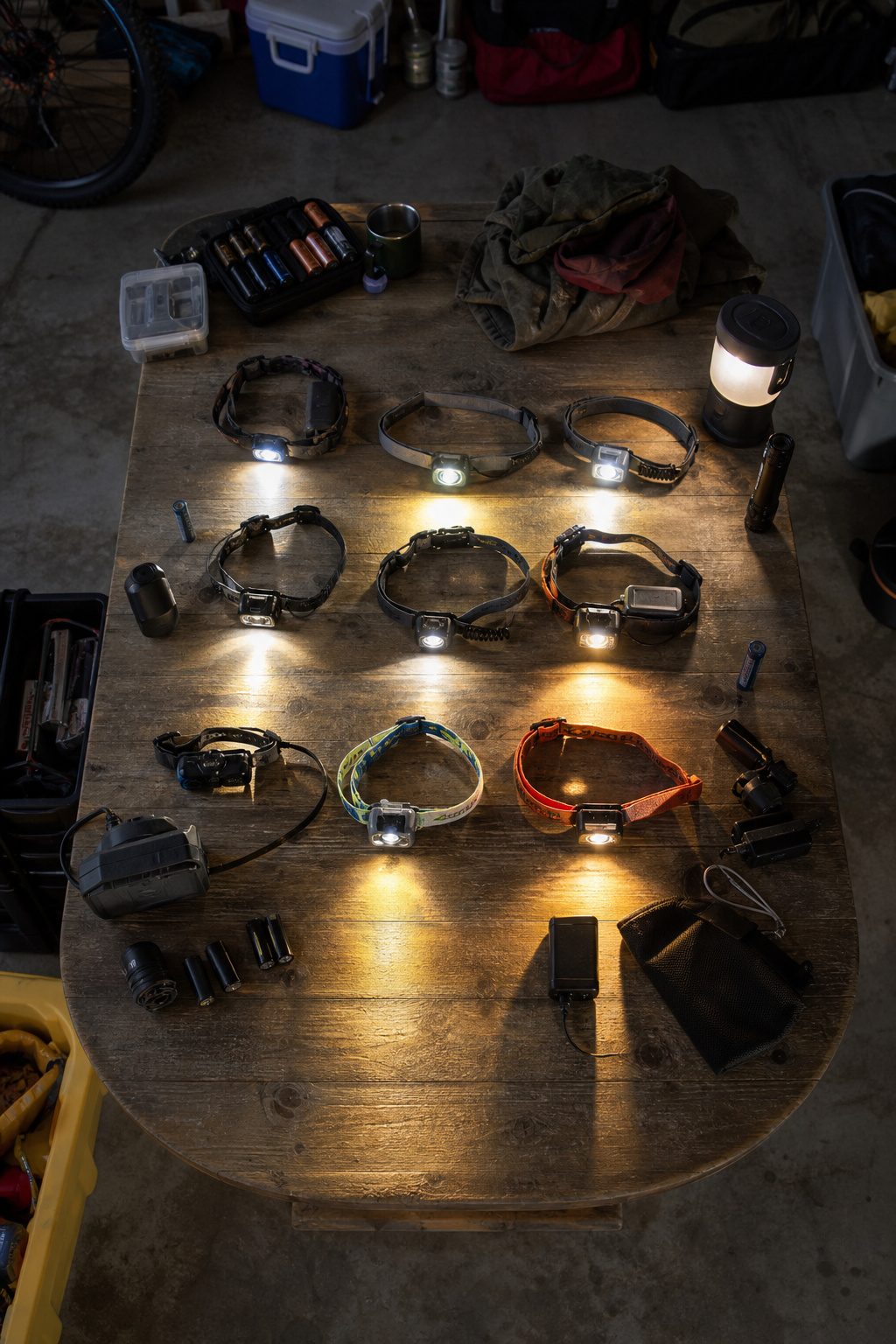
Most quality headlamps now range from 200 to over 1000 lumens for brightness.
Brightness (Lumens)
A lumen count tells you the maximum light output a headlamp can push, not how useful that light actually is. Most quality options now list anywhere from 200 to 1,000+ lumens, and the number gets attention because darkness is the whole point of carrying one.
What convinced me, reading through a dozen owner reports, is that more lumens rarely means better light in practice. A 350-lumen flood pattern at close range beats a 900-lumen spot that throws a narrow tunnel of light at your feet. Runners on unlit roads need enough throw to spot potholes; tent-bound campers reading a map want a dim red mode that preserves night vision. Buyers who use a headlamp for trail running or route-finding after dark should prioritize higher output with multiple brightness levels. For walking the dog or rummaging in a garage, anything over 200 lumens is overkill, and your battery will last longer for it.
Battery Life and Water Resistance
These two get grouped because both determine whether your headlamp works when you actually need it.
Battery life figures on packaging are almost always measured at the lowest setting. Owners report frustration when a headlamp advertised at "40 hours" dies in three on high. Rechargeable lithium-ion cells save money long-term but leave you hunting a USB port; AA or AAA compatibility means swapping in fresh alkalines from any gas station. Backpackers doing multi-day trips without resupply should weigh this heavily. Day hikers who top off at home every evening can safely ignore it.
Water resistance runs on the IPX scale. IPX4 handles splashes and rain; IPX7 survives submersion to one meter for 30 minutes. Paddlers, ice climbers, and anyone in the Pacific Northwest should look for IPX7 or IPX8. Desert hikers and fair-weather runners can get by with IPX4, though a sudden thunderstorm has ruined more electronics than most people admit.
Weight and Comfort
Three ounces doesn’t sound like much until it bounces on your forehead for three hours. Headlamps under three ounces tend to use smaller batteries or plastic housings; heavier models often carry bigger cells or metal heat sinks that handle sustained high output without burning your brow.
The strap system matters as much as the grams. A single elastic band concentrates pressure; a two-strap system with an overhead band distributes it. Owners with larger heads or those wearing the lamp over a beanie report that adjustability range varies more than manufacturers suggest. Ultrarunners and anyone wearing a headlamp for more than two hours straight should care about this. For occasional ten-minute jobs, comfort differences barely register.
Durability
Plastic housings crack at the hinge point; battery door latches snap; contacts corrode. Owner reports point to the same failure patterns across brands. A metal-bodied lamp costs more and weighs more but survives drops onto rock better. Rubberized overmolding around critical seams helps. People who work construction, do search-and-rescue, or simply drop gear should prioritize build quality. Office workers who keep a headlamp in a desk drawer for the occasional power outage do not need to pay for bombproof construction.
Price and Value
Headlamps sort into three tiers. Budget models under roughly mid-range cut points get you functional light for basic tasks. Mid-range options add better beam quality, regulated output that doesn’t dim as batteries drain, and more reliable switches. Premium lamps bring the best efficiency, toughest builds, and features like reactive lighting that adjusts output based on reflected light.
What I noticed comparing spec sheets is that the jump from budget to mid-range buys genuine improvements in battery regulation and beam pattern. The jump from mid-range to premium buys diminishing returns for most users. A weekend camper gets full value from mid-range; a professional guide or cave explorer earns back the premium price in reliability. Someone who uses a headlamp twice a year for attic work should stay budget and replace it when the elastic rots.
How the Top Picks Compare
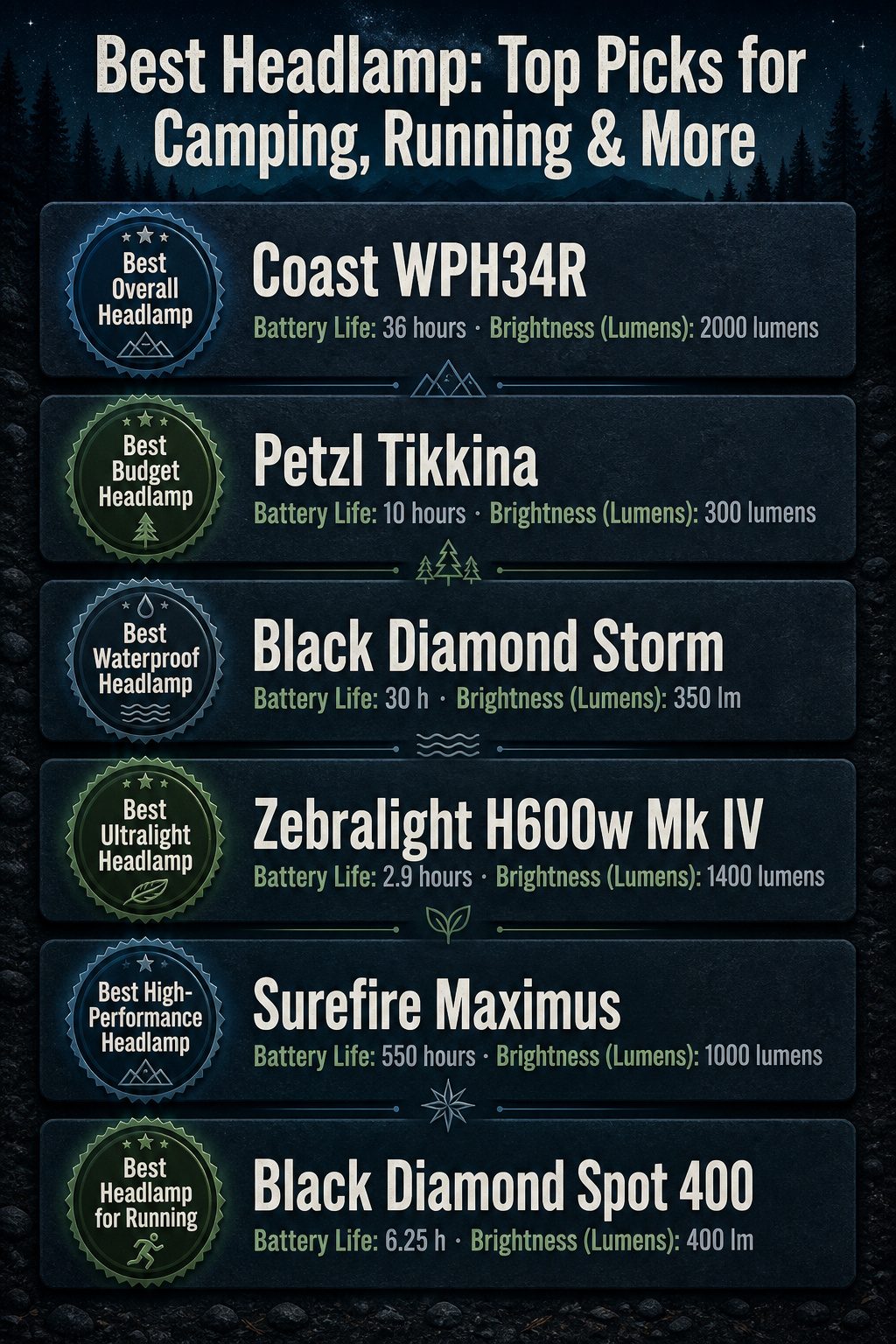
The Armytek Wizard C2 PRO MAX delivers 4000 lumens, but weighs 2.8 oz.
Brightness numbers on paper rarely tell the whole story. The Armytek Wizard C2 PRO MAX pushes 4000 lumens, double what the Coast WPH34R puts out, yet both share that IP68 rating. Where they split is weight and what that extra output costs you. The Armytek sits at 2.8 oz, the lightest in this whole lineup, but the runtime collapses to 3.25 hours on high. The Coast gives you 36 hours at 2000 lumens, still blinding in a dark forest, and the extra ounce and change matters less when your pack is already loaded. Someone counting grams for a thru-hike leans Armytek. Someone who turns the light on at dusk and wants it alive come dawn leans Coast.
The Zebralight H600w Mk IV complicates this further. At 4.4 oz it is technically heavier than the Coast, yet it earns the ultralight title because it runs a single 18650 cell you can swap in the field. That 2.9 hour runtime becomes indefinite if you carry spares. The Armytek’s sealed power and shorter runtime locks you into its battery curve. A backpacker with a battery bank solves this differently than a trail runner who cannot stop to fuss with cells.
Water resistance ratings trip people up. IPX8, the 6.6 ft the Zebralight claims, sounds safer than the Black Diamond Storm’s 3.3 ft. But the Storm is the pick for waterproofing because of how it handles submersion in practice, not just depth on a spec sheet. Owner reports mention the Storm surviving soaked river crossings where sealed units fogged internally. The 3.3 ft versus 6.6 ft distinction matters less than whether the housing breathes moisture back out.
Runners face their own calculus. The Black Diamond Spot 400 at 3 oz and 400 lumens looks underpowered next to the Ledlenser HF8R Signature’s 2000 lumens, but the Ledlenser weighs 6.8 oz, more than double. On a 6.25 hour run, that weight difference works into your neck muscles and your stride. The Spot’s 6.25 hour runtime matches realistic outing length; the Ledlenser’s 90 hours solve a problem most runners do not have.
Battery chemistry separates the Surefire Maximus from everything else. That 550 hour figure runs on low, not high, but the point is the headlamp dims gracefully rather than quitting. For search and rescue or cave work where swapping batteries mid-task is impossible, this behavior matters more than raw lumens. The 1000 lumen ceiling is modest here, yet the Surefire is the high-performance pick precisely because it sustains any output you choose without surprise.
The Petzl Tikkina and Petzl Actik Core show what ten dollars of budget separation buys. Both hit similar lumen ranges, but the Actik Core’s 160 hour potential comes from its hybrid power, accepting a rechargeable core or AAA backup. The Tikkina’s 10 hours at 300 lumens is honest and enough for around-camp use, though your weekend trip needs spare alkalines. For car camping with a cooler of batteries, the gap closes. For a week in the backcountry, it widens.
Frequently Asked Questions
How bright can these headlamps get?
The models that top out highest reach around 1,000 lumens on burst or turbo settings, though most daily use happens at 200–400 lumens where the beam still punches far enough for trail work. Runtime drops fast at peak output; a 1,000-lumen blast might last 90 seconds to a few minutes before thermal step-down kicks in.
How long does the battery last?
Low settings stretch a single charge past 40 hours on some units, while high or turbo modes drain a rechargeable cell in 2–4 hours. Manufacturers list runtimes per mode on spec sheets, and owner reports tend to land within 10–15% of those figures in normal conditions.
Are these headlamps waterproof?
Most carry an IPX rating; IPX4 handles splashes and rain, while IPX7 or IPX8 survives submersion to stated depths. A few budget models skip the rating entirely and rely on rubber seals that hold up fine in drizzle but not a dunk in a creek.
How much do they weigh?
Bare headlamps run about 1.4 oz for the lightest AAA-powered units up to roughly 6 oz for a flagship with external battery pack and metal body. The strap and any overhead band add another half ounce or so.
Do they have multiple lighting modes?
Yes; virtually every current model cycles through at least high, medium, low, and strobe. Many add a flood or diffused mode for close work, plus a red LED that preserves night vision and does not blind tentmates.
Are they comfortable for hours of wear?
The 2–3 oz range disappears on your head after a few minutes; heavier models or those with poor strap adjustment start digging in after an hour. A top strap helps stability for running, and a wide, soft band spreads load better than a narrow elastic strip.
What price level are we talking?
Budget options cover basic needs, mid-range adds better seals and regulated output, and premium models bring maximum lumens, metal construction, and the most efficient drivers. The gap in build quality widens more than the gap in raw brightness.
How do they handle cold or rough conditions?
Lithium-ion rechargeables lose capacity below freezing; some owners carry a spare cell in a warm pocket or fall back to disposable lithium AAs that shrug off cold. Plastic housings crack if dropped on rock in subzero temps, so aluminum bodies earn their keep in real backcountry use.